This is the first in a series of posts about the people who lived in a house called ‘The Cranes’.
Though it was pulled down more than 120 years ago, it lends its name to four neighbouring streets in the northern part of Surbiton, close to the boundary with Kingston upon Thames: Cranes Park, Cranes Park Avenue, Cranes Park Cresent and Cranes Drive.
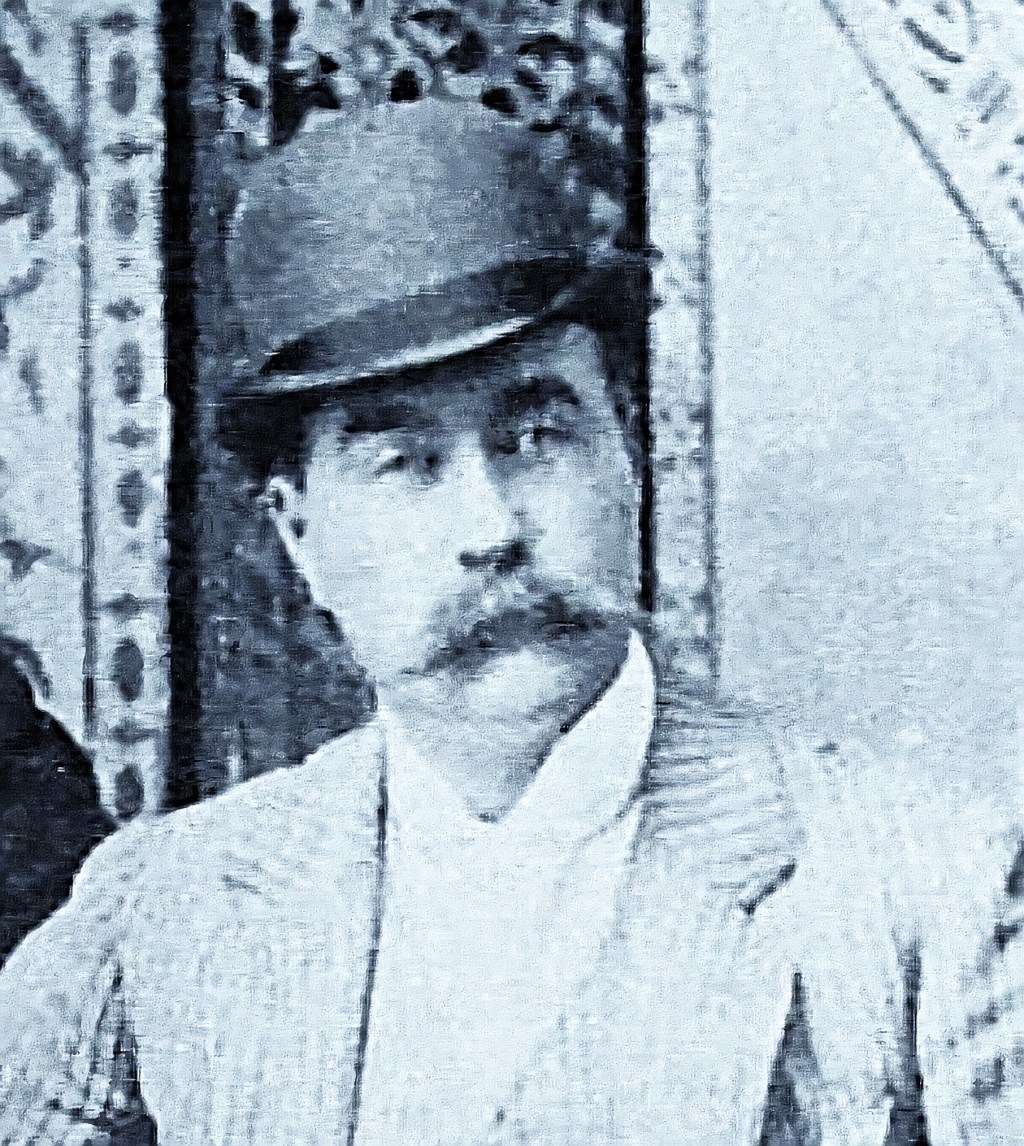
This first post is about Charles Edward Jemmett, the man for whom ‘The Cranes’ was built, his family and his descendants.
Subsequent posts will deal with:
- Henry Threlfall Wilson, who succeeded Jemmett at ‘The Cranes’, his family and descendants;
- Robert Arthur Read, who was resident at ‘The Cranes’ for much of the 1880s and 1890s, his family and descendants;
- John Howard and family, who lived at ‘The Cranes’ briefly in the 1890s;
- How a new Cranes Park housing estate spread across the land previously attached to ‘The Cranes’, as well as other land in the vicinity;
- Demolition of ‘The Cranes’ and a second iteration, located on Cranes Drive, occupied by the Mercer and the Wheeler families.
The principal characters who feature in this post are shown in the attached family trees. The first includes the descendants of Charles Edward Jemmett; the second includes the descendants of George Wythes.
Some preliminary geography
Surbiton lies in the Borough of Kingston, in South-West London. It is located almost directly south of Kingston-upon-Thames, both of them adjacent to the River, immediately to their west.
Alongside the Thames, the intervening land is (of course) predominantly flat, but, further inland, north-east of central Surbiton, there is a large hill, not particularly steep, with a comparatively flat plateau.
Different names were applied to this hill. It could be called Clay Hill, particularly if approached from the east, or it might be called Surbiton Hill.
Both names survive: the former in the name of Kingston University’s student residences; the latter in Surbiton Hill Road, which climbs up from the Kingston upon Thames direction, and, on the other side of the railway, in the area now called Berrylands, Surbiton Hill Park.
Until the late 1830s, when the land was enclosed, this was part of Surbiton Common – that part nearest to Kingston-upon-Thames.
Surbiton Hill Road begins its ascent beside the Waggon and Horses Public House (originally a Seventeenth Century Coaching Inn, rebuilt in 1888) and ends close to St Mark’s Church, completed in 1844.
This name seems to have existed as long as ‘The Cranes’: the first reference I can find to ‘Surbiton Hill Road’ dates from 1858.
Immediately to the east of Surbiton Hill Road as it climbs, between it and Villiers Avenue, a little further eastwards, lie the four Cranes roads, the longest and oldest being Cranes Park (originally Cranes Park Road).
This is how the area looks today.
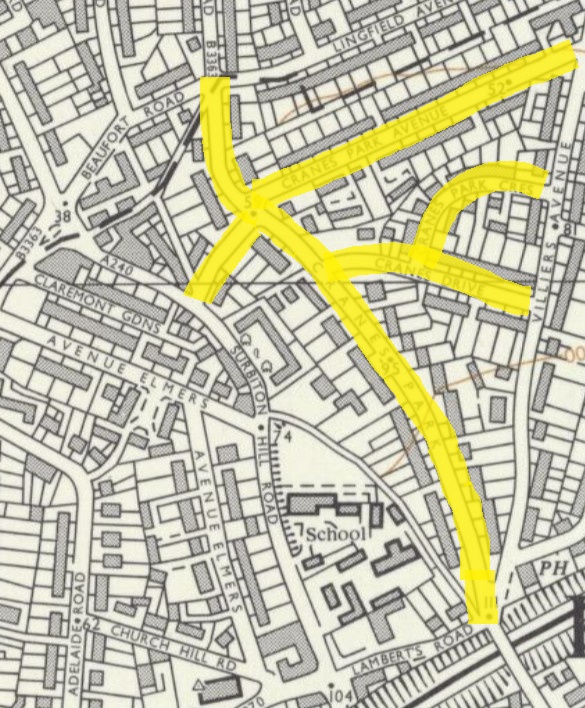
‘Cranes Park’ may be thought to imply a large, green open space, possibly accessible to the public, possibly named after some forgotten benefactor.
In fact, ‘The Cranes’ was a house, substantial rather than palatial, but surrounded by a sizeable estate, sitting upon the plateau of Surbiton Hill. This became known as Cranes Park.
Little is known about the first property called ‘The Cranes’. As far as I can establish, no plans or photographs have survived, even in Kingston’s Archive. There are, however, several descriptions in Nineteenth Century newspapers.
This house existed for only half a century, though its name was inherited by a second property, built nearby quite soon after its predecessor had been demolished.
That was part of what became known as the Cranes Park Estate, a cluster of detached villas and semi-detached properties, mostly built between 1890 and 1920, along the four roads named above.
The Cranes Park Estate comprised land that had formerly belonged to the first iteration of ‘The Cranes’, as well as some adjacent land.
It is not always straightforward to trace changes in the ownership of these different parcels of land, or even to date changes in the ownership of a property, as opposed to changes in the occupancy of that property.
But a wealth of information has been preserved about the people who resided there, their families and immediate descendants, including their genealogical records and references in newspaper archives.
This is definitely not the last word on the history of ‘The Cranes’ or, for that matter, of the Cranes Park Estate. I hope there will be readers able to correct my errors and/or supply details I have omitted.
Pertinent photographs are always welcome.
Charles Edward Jemmett
I have been unable to pinpoint exactly when ‘The Cranes’ was built, but all the evidence points to 1850, or thereabouts. It was commissioned by Charles Edward Jemmett, a solicitor and the Town Clerk for Kingston Borough.
C.E.Jemmett was born in Kingston on 5 January 1796, to Charles Jemmett and Sarah, née Fuhr.
His father was also Town Clerk and his grandfather, also called Charles Jemmett, is said to have served in that capacity from 1747 until his resignation in 1789.
Besides being Town Clerk, Charles Jemmett senior was also Coroner for Kingston and the Hundred of Elmbridge, while Charles Jemmett junior was also a Surrey County Coroner.
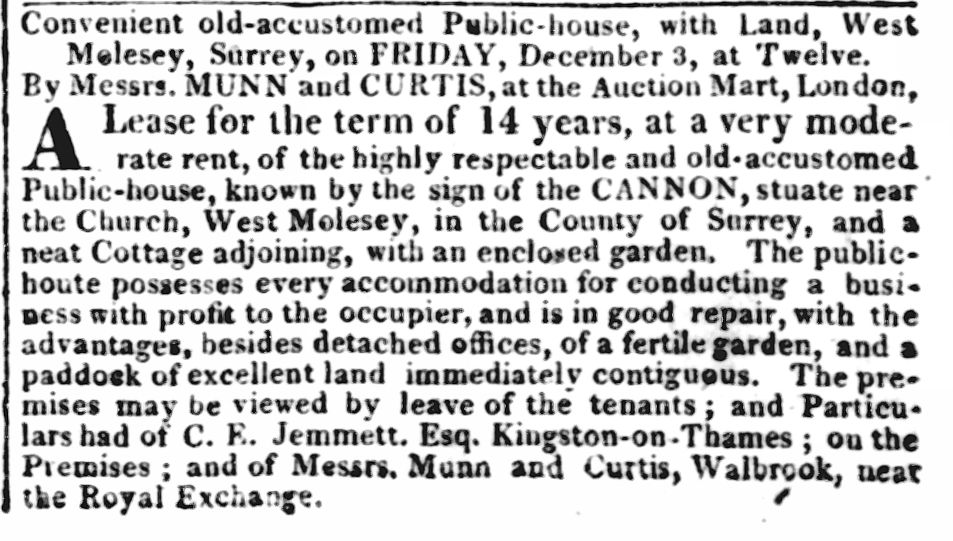
Charles Edward was articled as a clerk in 1811, aged 15. He had qualified as a solicitor by 1819, when his name first appeared in a newspaper, identified as the person who would supply further particulars of a lease being offered on The Cannon, a public house in West Molesey.
In 1822 several published notices named him, alongside his father, as Clerk to the Trustees of the Kingston to Leatherhead Turnpike Road.
This had been established by Act of Parliament in 1811 and followed the present day A243, passing through Surbiton, Hook and Chessington.
When his father died in February 1825, aged 75, Charles Edward, then 29, must have assumed all of his responsibilities as Town Clerk. But the earliest newspaper reference to him occupying that role dates from 1828.
There are also reports of a single inquest, dating from 1827, in which he is described as one of the Coroners for Surrey, as his father had been. This may be an error, or perhaps he quickly gave up these duties.
But he continued to pursue a career as a solicitor alongside his role as Town Clerk. His name is often appended to advertisements of property for sale in the area, so that was clearly a specialism.
In January 1839 he was called to the Bar, at Lincoln’s Inn.
His father had bequeathed him several parcels of land, some of it located on ‘Surbiton Common’, quite possibly including the plot upon which ‘The Cranes’ was eventually built. His father’s will survives.
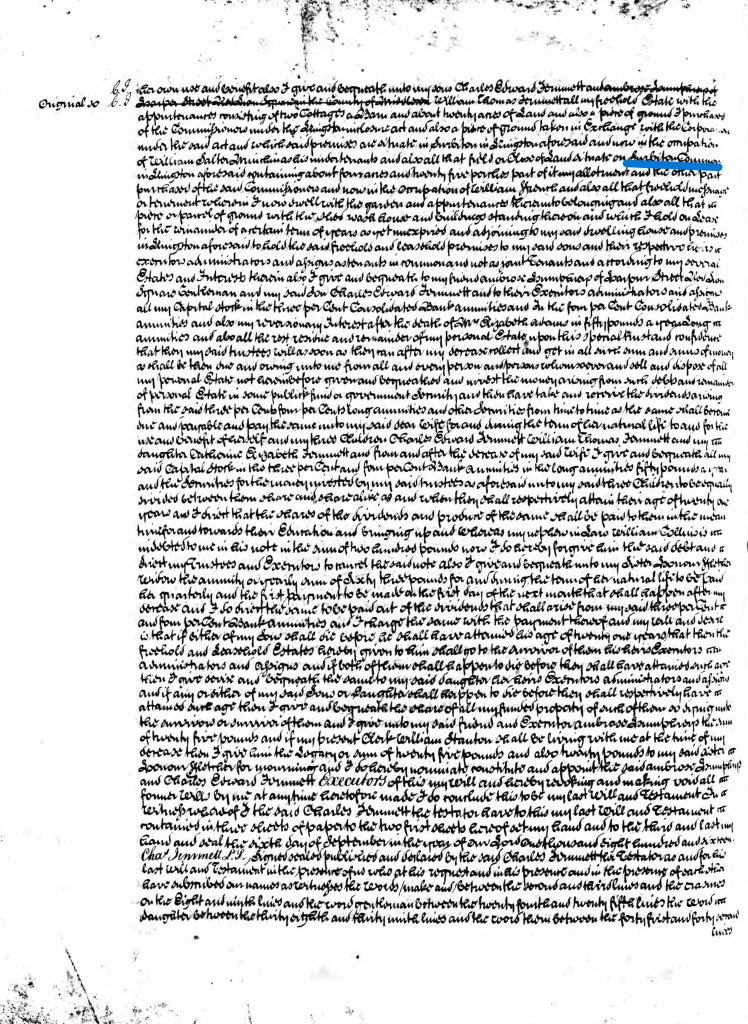
Prior to ‘The Cranes’, he resided in a house on ‘West by Thames’, now Kingston High Street.
According to the 1841 Census, his household comprised Benjamin Green, aged 21, a coachman, and Sarah Walter, aged 20, a servant.

Green and Walter were soon to marry, but their master beat them to it.
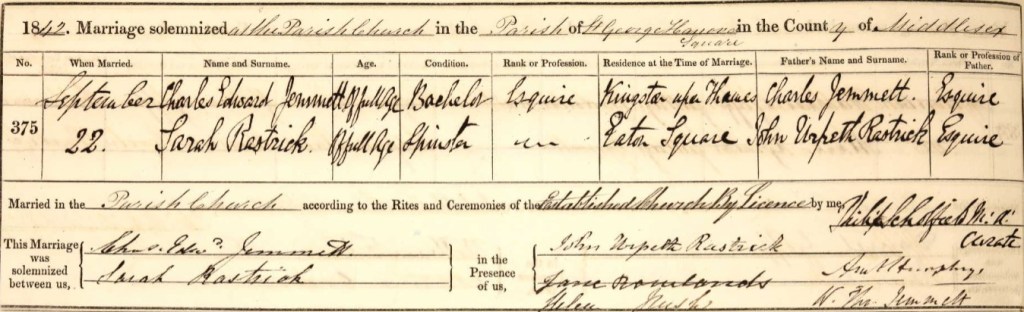
On 22 September 1842, now aged 46, he was joined in matrimony with Sarah Rastrick, aged 29, eldest daughter of John Urpeth Rastrick and Sarah, née Jarvis. The ceremony took place at St George’s, Hanover Square, London.
John Urpeth Rastrick (1780-1856) was a civil engineer and railway engineer. While a young man he had worked alongside Richard Trevithick and, in 1814, obtained a patent for his own steam engine design.
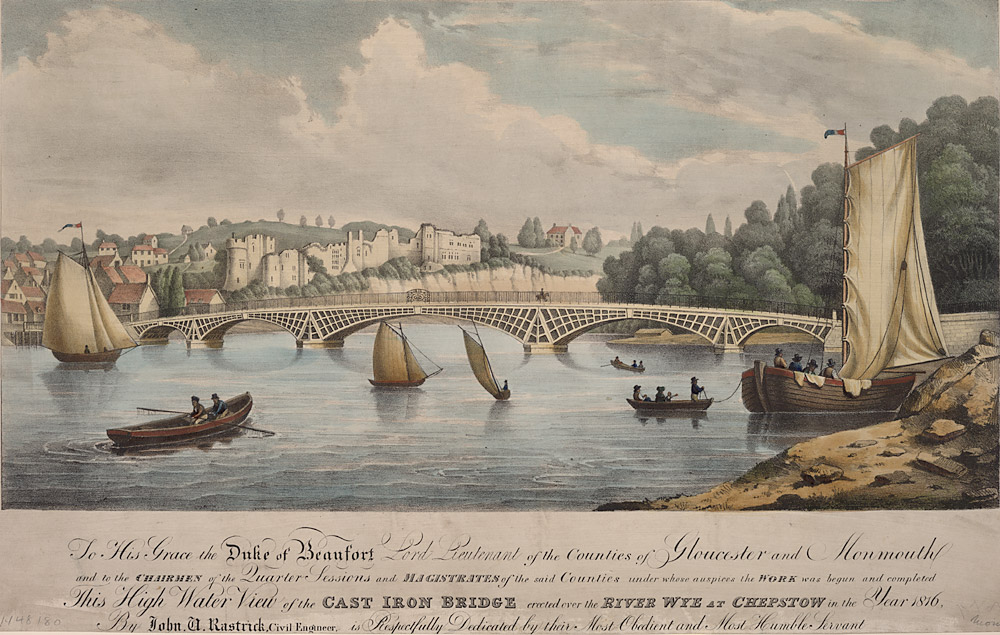
He also oversaw the building of the Old Wye Bridge in Chepstow, having extensively modified the original plans produced by John Rennie.
He then formed a partnership which led to the creation of Bradley, Foster, Rastrick and Co. in Stourbridge in 1819. While working for this Company he designed and produced a variety of heavy machinery, including steam engines, boilers and rolling mills, as well as parts for buildings and bridges.
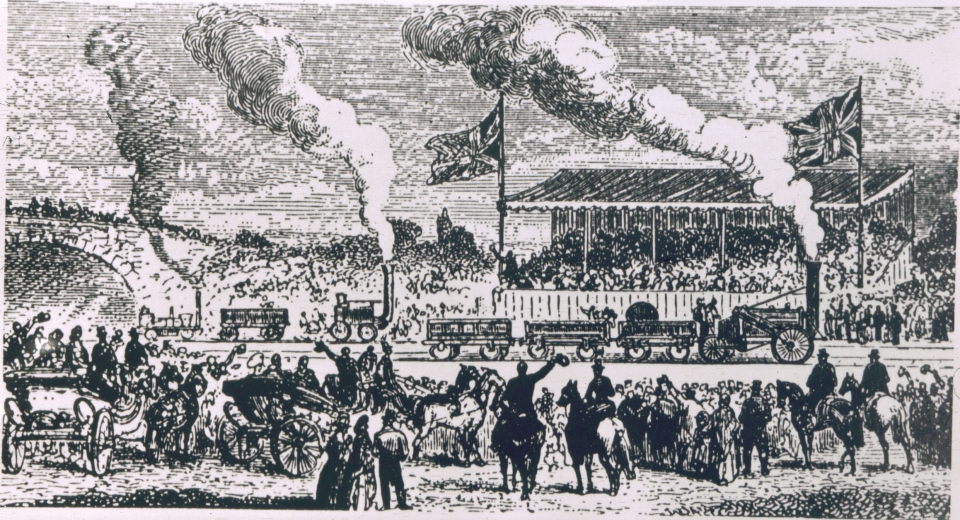
By 1825, he had become involved in railway construction and, in 1829, was one of the judges at the Rainhill Trials where Stephenson’s Rocket was selected.
From 1831 he was an independent civil engineer, said to have worked on the construction of seventeen different railways, including the Brighton Line and the London, Brighton and South Coast Railway.
He is particularly remembered as designer of the Ouse Valley Viaduct, south of Balcombe, which opened in 1841, often cited as a particularly elegant example of its kind.

Rastrick retired in 1847, five years after his daughter’s marriage.
The 1851 Census found him resident at Saye’s Court, Chertsey, where he died some five years later. C. E. Jemmett was one of the executors of his will, alongside two of his sons and his friend George Wythes (see below).
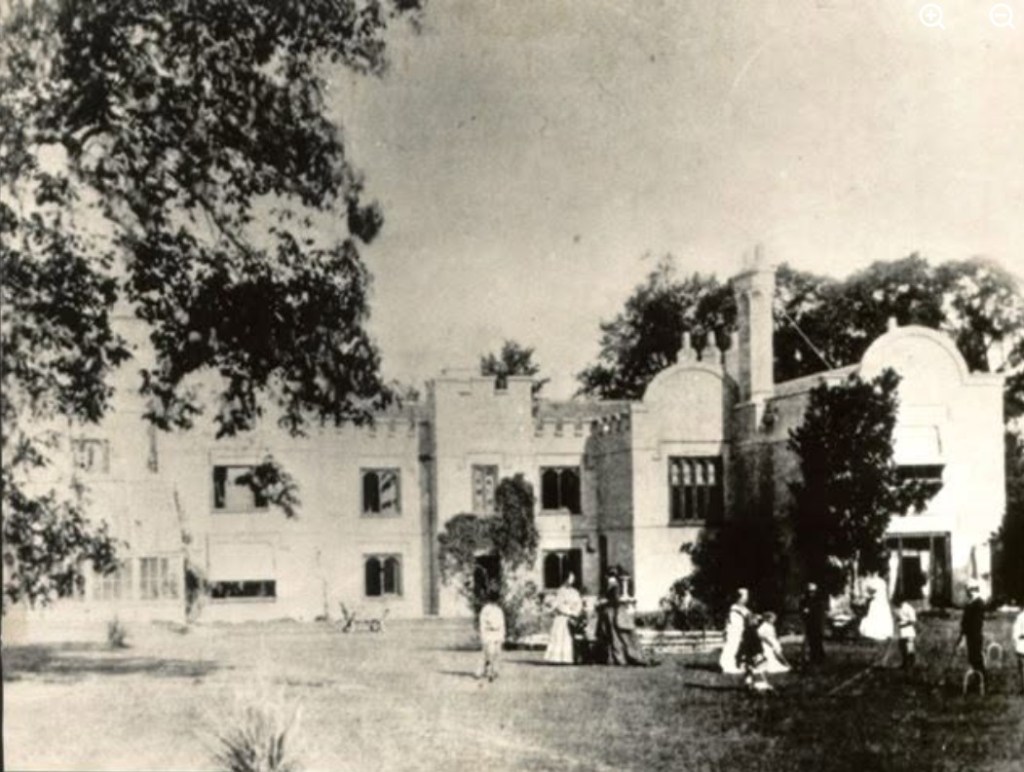
We do not know how Jemmett and his wife came to meet. It might have been through her brother, George Rastrick, also a lawyer, or it might have been through her father’s involvement in railway building, a particularly hot topic in Kingston during the 1830s.
The London and Southampton Railway had received Parliamentary approval in July 1834.
Some sources suggest that the Railway Company had originally planned to locate Kingston Station near the bottom of Surbiton Hill Road, close to the original Waggon and Horses public house. This was adjacent to the municipal boundary between Kingston and Surbiton.
These same sources indicate that Kingston Borough opposed this route, but that the opposition of Lord Cottenham was rather more telling. He was opposed to the track passing through his Estate, lying to the west of Wimbledon.
As a consequence, the railway bypassed Kingston, heading through Raynes Park and New Malden before cutting through the middle of Surbiton Hill.
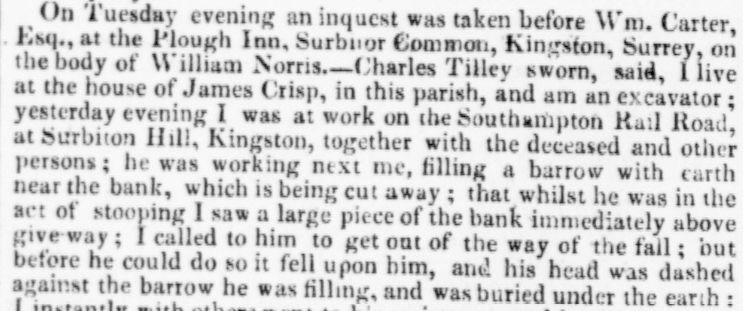
Extensive excavation was required, employing numerous men over several months. We know this work was under way in July 1836, since there are newspaper reports of a worker’s death, caused by part of the bank collapsing on top of him.
The station, initially called Kingston, was opened on 21 May 1838.
It was briefly located within the cutting, slightly west of the bridge carrying the Ewell Road over the railway line.
The new service offered rapid travel into central London. The inaugural 23-mile trip between Nine Elms and Woking Common was completed in just 45 minutes.
When the regular passenger service began, the scheduled journey from Nine Elms to ‘Kingston’ took 25 minutes.
There were five trains daily in each direction (four on Sundays). The fare was 1s 6d Second Class and 2s 6d for First Class travel.
Local properties were soon being advertised with reference to their proximity to the Station. But letters were also printed from disappointed travellers who had found the departing trains full to capacity, especially on Sunday evenings.
The Station soon moved to its present location in central Surbiton though, for a while, it was known as ‘Kingston upon Railway’ and then ‘New Kingston’.
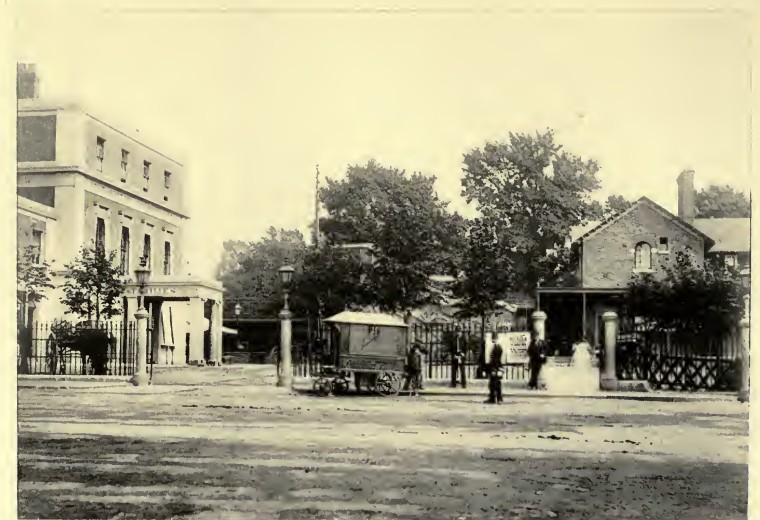
In October 1840, a publication called ‘Old England’ enthused:
‘Nothing in the history of railway improvements has been more extraordinary than the creation of this singular new town. On the spot where, last harvest two years, a large crop of oats was reaped now stand rows of handsome houses, terraces, villas, Swiss and other ornamental cottages; a splendid hotel and tavern with assembly, billiard, and coffee rooms, and other useful and ornamental buildings; while gasworks, waterworks for the supply of the houses, and other necessary adjuncts to the health and comfort of a town, are about to be commenced, as also an episcopal church and a Wesleyan meeting house.’
But there is evidence that Kingston Borough soon regretted the absence of a more central station, because various plans were mooted to connect Kingston proper with lines serving London.
Sarah, née Rastrick gave birth to three children, born in 1843, 1845 and 1848 respectively, but she died only a few weeks after the youngest child was born, on 24 February 1848.
The certificate gave the cause of death as ‘exhaustion after continued fever with pneumonia, 7 weeks certified’. (The GRO has incorrectly recorded her surname as ‘Jennett’.)

She and her husband had been married for just six years and she was only 34 years old.
Arrival at ‘The Cranes’
Electoral Registers imply that the family continued to reside in West-by-Thames until well into the 1850s, but this is proved incorrect by the 1851 Census.
Jemmett’s continued ownership of the West-by-Thames property presumably qualified him as an Elector in the Borough. He may have used this former home as an office.
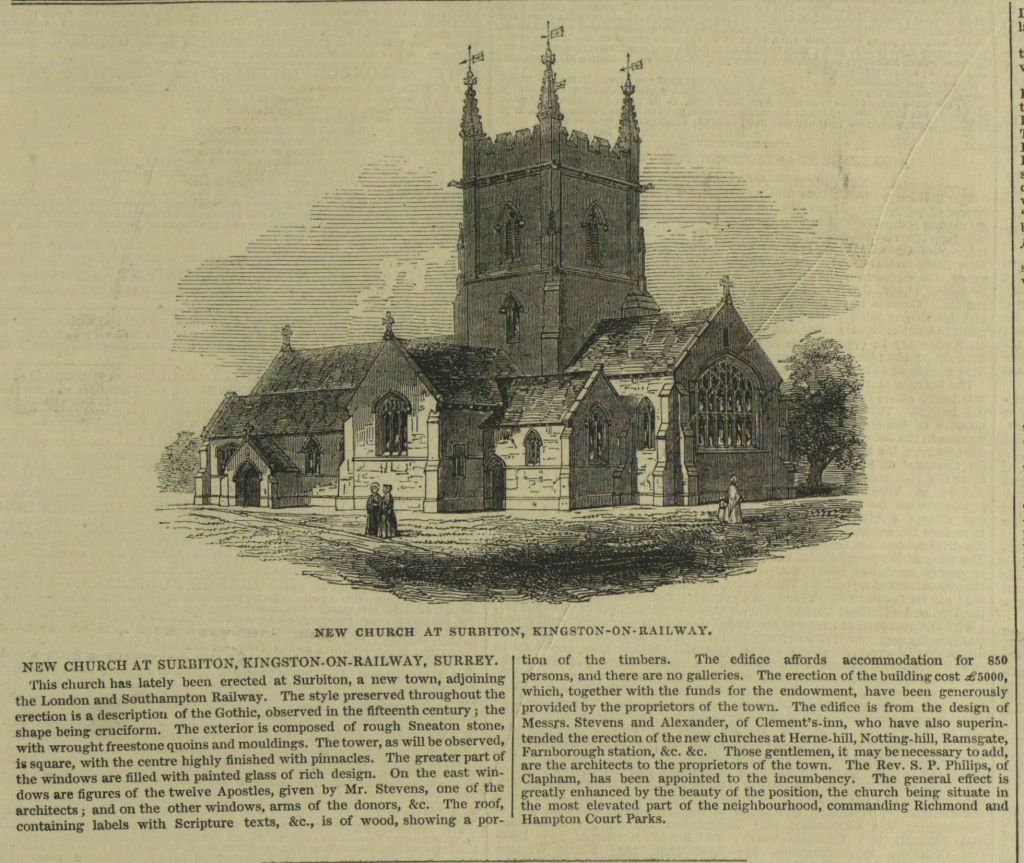
In 1845, he had been one signatory of a petition for the consecration of the new St Mark’s Church, though he was almost certainly not resident at that point.
This picture and description of St Mark’s appeared earlier that year in the Illustrated London News.
According to the 1851 Census, the family were now resident at an unspecified address in the Parish of St Mark’s, Surbiton. This was almost certainly ‘The Cranes’, although the location is given as ‘Surbiton’ rather than ‘Surbiton Hill’.
This is the description of the enumeration district within which the property lay:
‘That part of the parish of Kingston beginning at Mr Wellbeloved’s, Surbiton, taking the whole of Clay Hill, Surbiton Hill, from the Pound, Surbiton Common and the Fish Ponds.’
The oldest map I can find dates from 1869.
Here is a close-up view showing the shape of the house, the positioning of other buildings and the layout of the surrounding parkland. The main entrance is to the south.
The other two pink-shaded rectangles I take to be residential: a lodge and possibly a coachman’s cottage, while the grey shapes are stables and outbuildings.
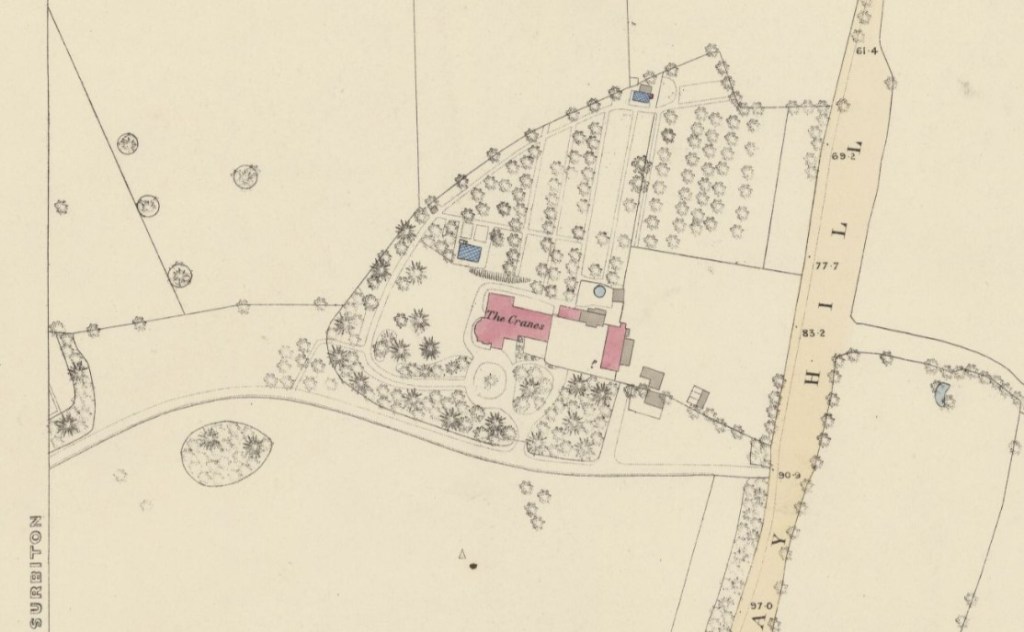
This shows the location of ‘The Cranes’ relative to the roads then existing and the railway. Note how close it sits to Kingston’s municipal boundary.
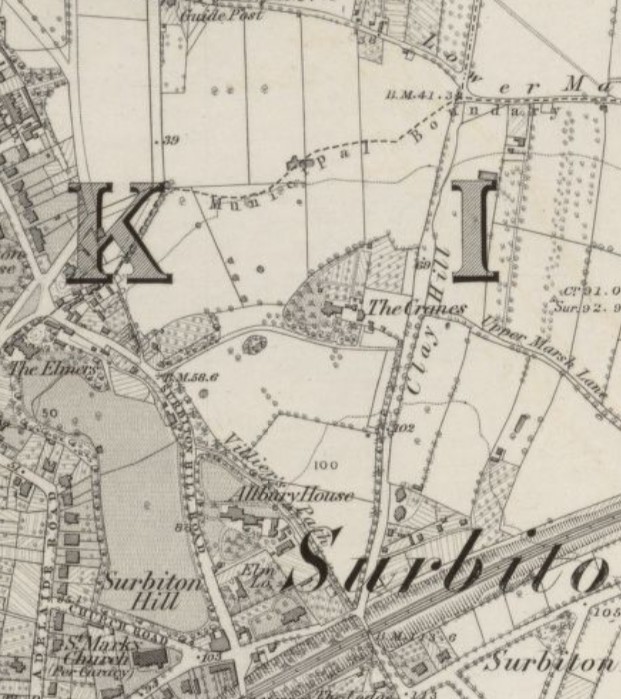
The road known as Cranes Park did not exist at this point. The only other substantial house in the area was Allbury House, occupied by William Dunnage, a builder, and his family.
The drive began as a left turn at the lower end of Surbiton Hill Road, a little above The Waggon and Horses, probably close to where Cranes Park Avenue is today.
The grounds backed on to the area known as Clay Hill, opposite the junction between Upper Marsh Lane (now Eversley Road, perhaps?) and a footpath called Oil Mill Lane (now Villiers Avenue).
Now aged 56, Jemmett had not remarried.
He was living with his three young children, aged 7, 5 and 3 respectively, but also with his sister-in-law, Mary Raistrick, aged 32. A cook, a nurse and a housemaid completed the household.
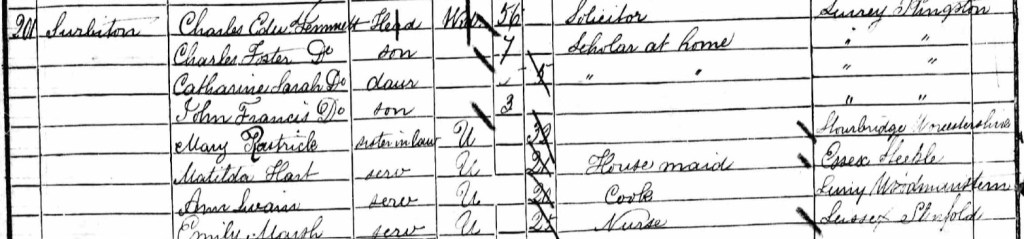
Mary Rastrick was four or five years younger than her late sister, born circa 1818 in Bridgnorth, Shropshire. In 1841, both she and Sarah had been resident with their father at 46 Eaton Square in London. He was still alive at this point, living in nearby Chertsey.
One wonders whether Jemmett had contemplated marrying his sister-in-law.
Of course, we do not know the precise nature of their relationship, but a man of Jemmett’s status would have been careful to avoid any hint of scandal.
Under the terms of the Marriage Act 1835, such unions were no longer permitted in the United Kingdom, but they would be recognised here if they had taken place abroad, in a jurisdiction where they were lawful.
In 1875, artist William Holman Hunt contracted such a marriage in Switzerland, with Edith Waugh, sister of his first wife, Fanny Waugh, who had died in 1866.
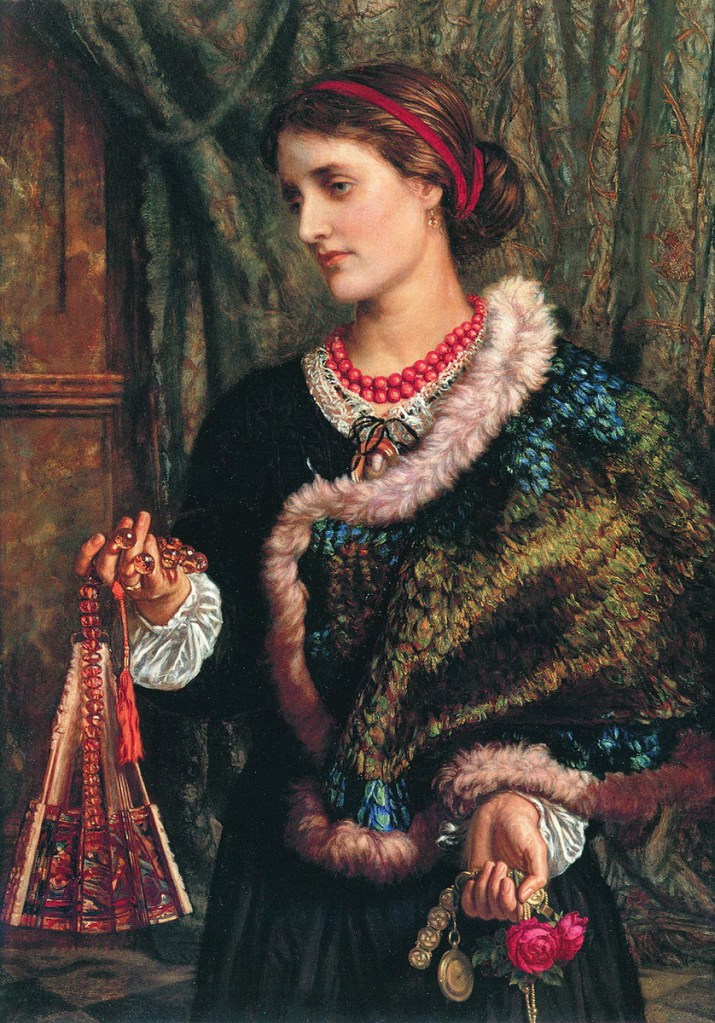
A Bill to make such marriages legal in the UK was introduced in 1842, but soundly defeated in Parliament. The issue was debated regularly over the next half century, until the Deceased Wife’s Sister’s Marriage Act was finally passed in 1907.
Shortly after Jemmett and his family settled at ‘The Cranes’, the Kingston authorities decided that Surbiton must be incorporated into the borough. Given his role, one imagines that Jemmett must have supported this position.
But the large majority of the most influential inhabitants of Surbiton were against. The powers in Kingston introduced a Bill to extend the borough in 1854, but it was defeated and, in 1855, The Surbiton Improvement Act was passed, allowing for the development of its infrastructure, independently of Kingston.
The Act provided for the appointment of a committee of 15 Surbiton Commissioners, even naming the first incumbents. Seven were residents of Surbiton Hill, C.E. Jemmett amongst them.
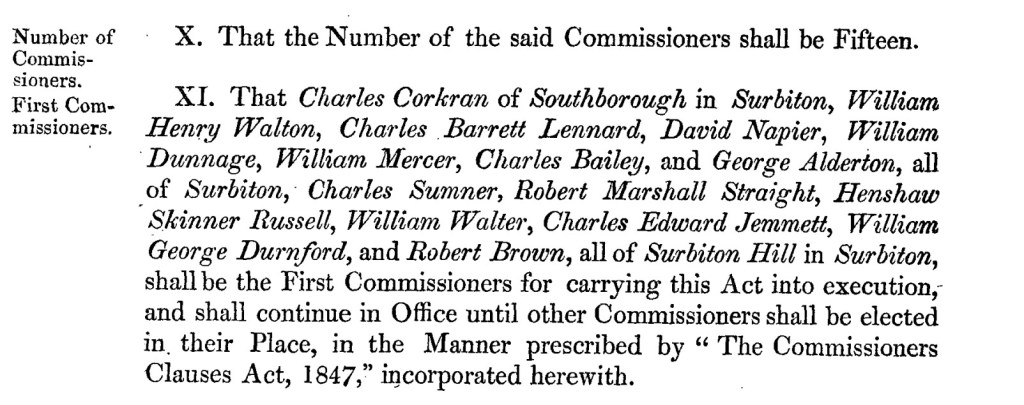
The first meeting of the Commissioners took place on 7 June 1855.
But I can find no reference to any significant contribution made by C.E. Jemmett, and he was one of five Commissioners whose term of office ended in July 1857.
Jemmett was now close to the end of his life. Some descriptions of his demise place him at ‘The Cranes’.
This obituary is from the West Middlesex Herald of 3 April 1858 (the paragraphing is mine):
‘It is with deep regret that we have to announce the death of C. E. Jemmett Esq., who for many years has been a valuable and meritorious servant of the Corporation. He departed this life on Sunday evening, the 21st inst, at his residence, at the Cranes, Surbiton, in the 63rd year of his age.
He has been in a declining state of health for some time, arising from a severe attack of paralysis, and on Friday evening, the 5th inst, whilst reclining in his chair, he was again seized [sic] with another fit, which completely prostrated him; and although medical aid was immediately procured, and everything that could be devised was done for him, surgical skill was of no avail, and he gradually sunk until the hour he expired, leaving two sons and a daughter, and a number of relatives and friends, to lament his loss.
The deceased held a number of appointments besides that of Town Clerk, and he was highly esteemed in the profession to which he belonged, and in the various offices which he filled. He was held in such high estimation that he gained the confidence of all around him, from the very affable, conscientious and truthful manner in which he transacted his business; and although his mortal career has closed, he will live long in the memory of many an individual who has known him and been benefited by his advice.
So just has he been in his general transactions with his clients that he was invariably called “the honest lawyer.” And an honest man, it is said, is the noblest work of God, and may he meet the reward of the just and faithful.
The office of Town Clerk has been in the family of the deceased for three generations, and it is much to be regretted that his son is not old enough to take the offices which have now become vacant, and we fear “it will be long before we look upon his like again,” for he will be missed and regretted by many who have shared his hospitality and friendship.’
He was buried in the new Kingston Cemetery five days later, unlike his father, mother and wife, who are interred in Kingston’s All Saints Church.
Perhaps surprisingly, given that he was such an esteemed servant of the Borough, his grave has not been preserved.
The 1861 Census indicates that the three orphaned children continued to reside at ‘The Cranes’ under the charge of their Aunt.
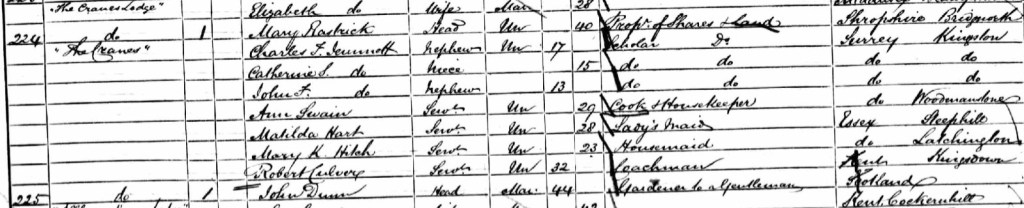
Mary Rastrick was now 44 (though she claimed to be 40) and still unmarried. It seems likely that, under the terms of Jemmett’s will, she was the children’s guardian.
Charles Fuhr Jemmett, Catherine Sarah Jemmett and John Francis Jemmett were now aged 17, 15 and 13 respectively. All three were at school.
There was also a cook, a ladies’ maid, a housemaid and a coachman. Next door, ‘The Cranes Lodge’ was occupied by a young gardener and his wife.
Catherine Sarah Jemmett and her descendants
On 5 June 1866, aged 20, Catherine Sarah Jemmett married George Edward Wythes, a 27 year-old civil engineer, in St Mark’s Church, Surbiton.
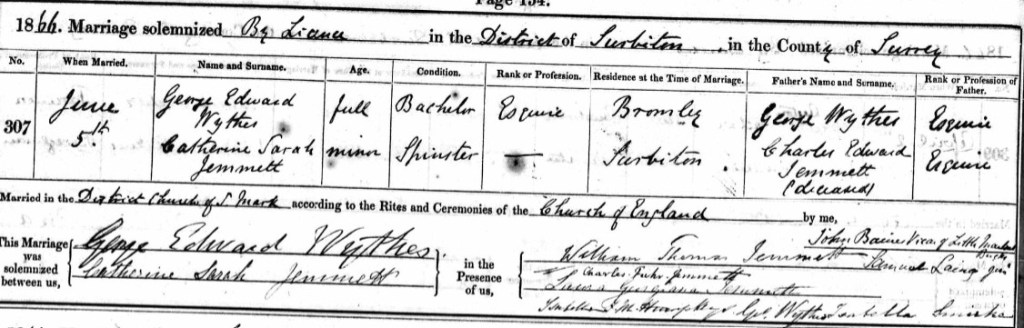
He was the son of George Wythes, a wealthy railway contractor, and Frances, née Wagstaff.
George Wythes had been a friend of the late John Urpeth Rastrick and an executor of his will, alongside his son-in-law, C. E. Jemmett.
Wythes senior had been born in 1811. From the 1830s onwards, he and his partners had won a succession of railway contracts in Sussex and Essex, including parts of the London and Brighton Railway.
He had married Frances Wagstaff in 1836. George Edward, their only child, was born in Portslade, near Brighton, in 1839, while his father was developing the branch line from Brighton to Shoreham.
In the 1850s and 1860s, George Wythes partnered with Joseph Jackson and, together, they built several sections of the Great Indian Peninsular Railway. He was also involved in railway construction in Luxembourg, Sweden, Canada, Argentina and South Africa.
His company owned several iron and steel works and he was responsible for building the Lawrie Park Estate, a prestigious Victorian housing development in Sydenham.
In 1861 he moved from Reigate to Bickley Hall, a mansion surrounded by a large estate near Chiselhurst in Kent. He set aside much of the estate for housing development.
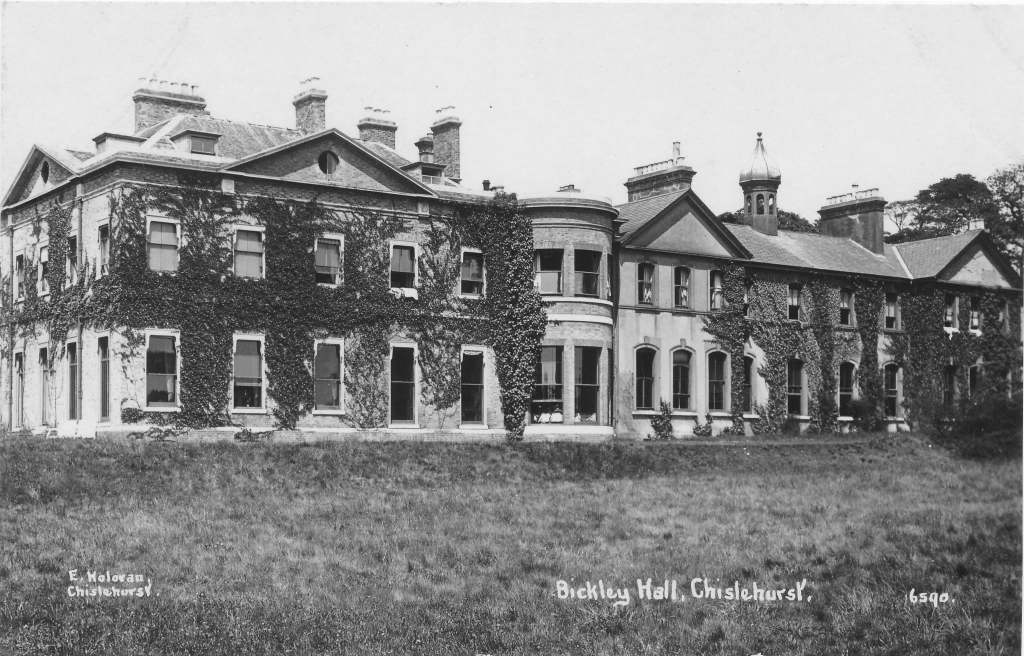
George Edward Wythes attended Eton and Trinity College Cambridge before undertaking a three-year pupillage with Robert Jacomb-Hood, who had been resident engineer for the London Brighton and South Coast Railway from 1846 to 1860.
G.E. Wythes went on to assist his father with work on the Midland Railway in Derbyshire and, in 1865, was elected an Associate of the Institution of Civil Engineers.
Catherine Sarah gave birth to a son, also called George Edward Wythes, on 21 June 1867 at 22 Westbourne Terrace, London.
A second son, Ernest James Wythes, was born on 1 September 1868 at Bickley Hall.
In February 1868, G.E. Wythes was elected to the Board of the London, Brighton and South Coast Railway.
In 1869 his father bought Copt Hall (or Copped Hall) for his son, a second palatial mansion near Epping, also surrounded by a 4,000 acre estate.
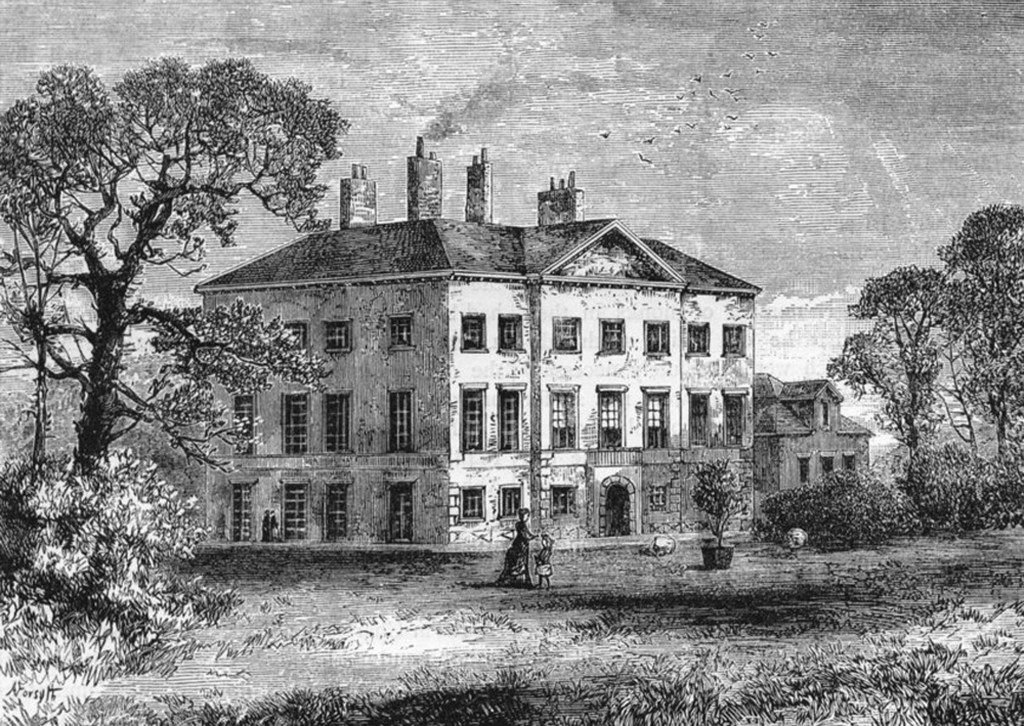
By the time of the 1871 Census, the young couple, aged 32 and 25 respectively, were resident there with their two sons, aged 3 and 2, plus a staff of nine, including a housekeeper, cook and footman.
Further staff, including a farm bailiff, gamekeepers and a coachman lived in the adjacent properties.
But, sadly, Catherine died of tuberculosis very shortly after the Census was taken, on 25 April 1871.

In July 1873, G.E. Wythes remarried. His second wife was Rachel, née Henty, 31 year-old daughter of Mr Robert Henty, who lived at nearby Nazeing Park.
Henty was a retired mine owner. He and his wife, whose family comprised eight daughters, were inveterate travellers. His nephew, G A Henty, later found fame as a novelist.
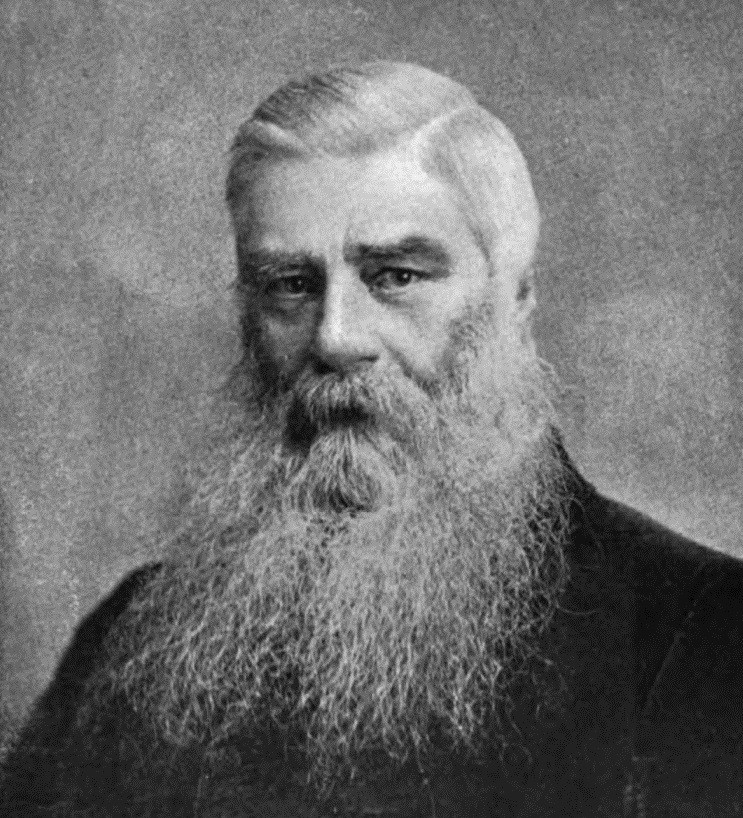
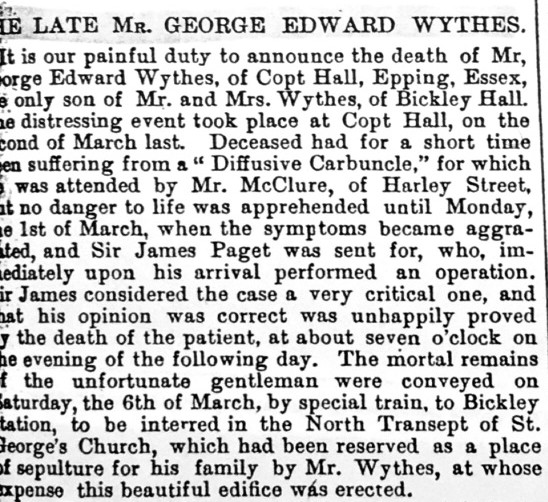
Wythes himself died in March 1875, aged 35. According to newspaper reports, he had been suffering for some time from a ‘diffusive carbuncle’ on his neck, presumably cancerous. It was belatedly removed, but he died on the evening of the day following the operation.
His body was transferred to Bickley by special train, and interred in the North Transept of St George’s Church, Bickley. His father had funded the building of St George’s, opened in 1864 at a cost of £18,000.
But Rachel Wythes must have become pregnant immediately before her husband’s death because, eight months later, on 6 November 1875, she gave birth to his posthumous daughter, Alice Frances Theodora Wythes.
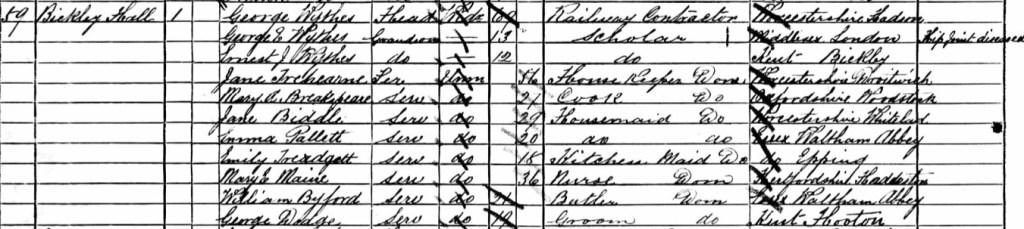
By the time of the 1881 Census, George Edward’s two sons, George Edward junior, then 13, and Ernest James, 12, were resident with their grandfather at Bickley Hall.
The note alongside the elder boy’s entry says ‘Hip joint diseased’.
Meanwhile, their half sister, known as Dora, remained with her mother. At the time of the 1881 Census, they were visitors at Delrow House in Aldenham, staying with Rachel’s brother-in-law, Charles Ashton and family. Rachel was now 38 and Dora 5.
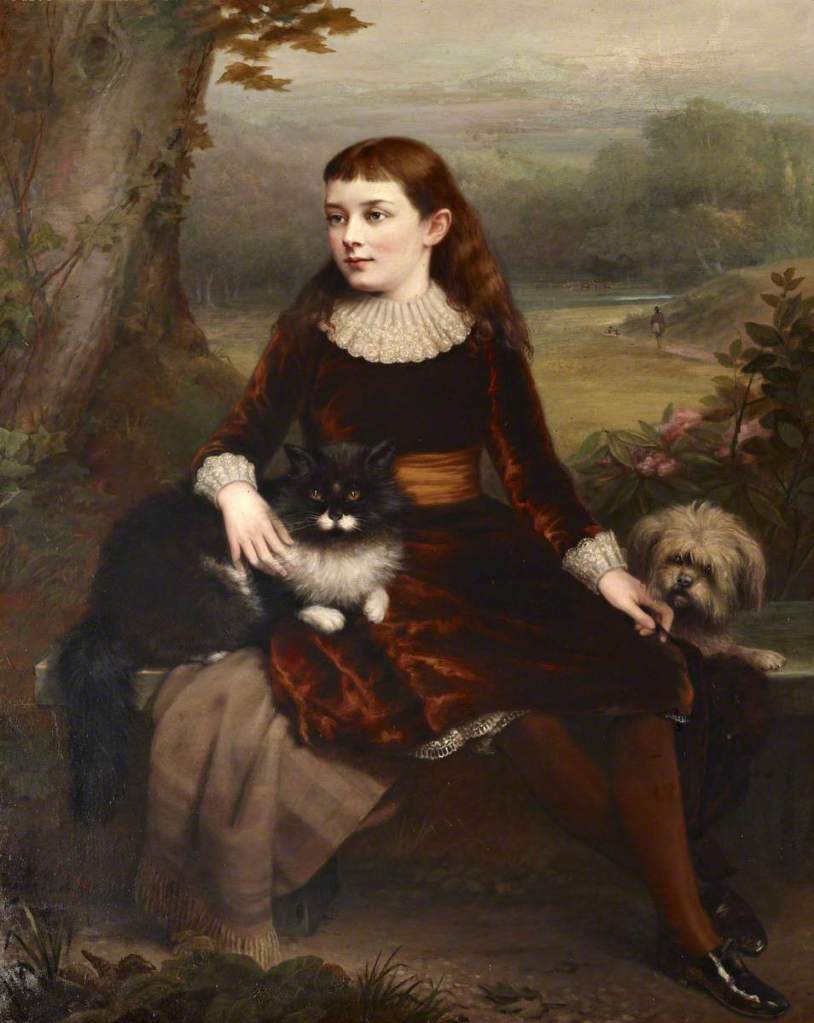
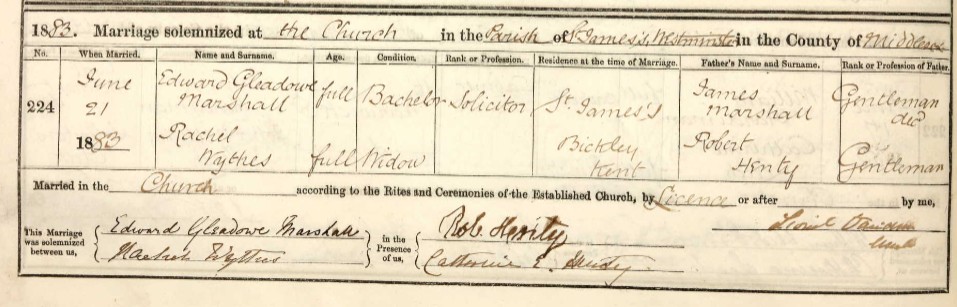
In June 1883, Rachel remarried, uniting with Edward Gleadowe Marshall, a 43 year-old solicitor, born in Madras, India but now based in Durham.
Her half brother, George Edward Wythes junior, died at Bickley on 8 January 1887, aged just 19. He was a delicate young man, living a retired existence. One newspaper report said he had succumbed to a severe chill; another that he had died after breaking a blood vessel.
His death certificate refers to his hip disease but confirms that he, too, had contracted tuberculosis.

He was also interred in the family vault in St George’s Church, Bickley.
He had only recently inherited Bickley from his grandfather, who had died four years previously, in March 1883, leaving an estimated £1.5m.
His brother Ernest, who had already inherited Copt Hall from his grandfather, now became heir to Bickley also.
Ernest Wythes
Ernest was still at Eton. He is recorded as entering Christ Church College, Oxford later that year.
In 1888 he rowed at bow in his College’s second boat in ‘The Torpids’, an inter-college bumping race.
Having attained his majority in September 1889, he came into possession of his grandfather’s fortune, celebrating his coming of age with a party.
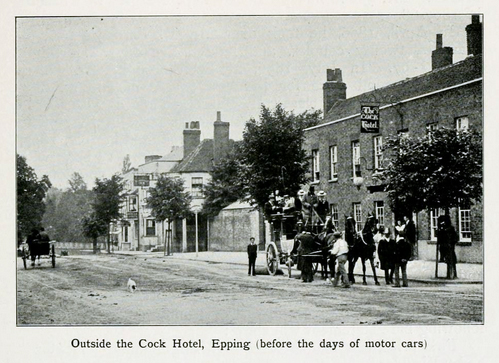
The tenants upon the estate were treated to dinner at the Cock Hotel, Epping and, the following day, all the estate’s labourers and their families were served dinner in a large marquee in the park.
Ernest subsequently presented all the cottage tenants with two weeks’ rent, and the tenants presented him with an engraved solid silver claret jug.
It was reported that he had contributed £4,000 towards the building of a new church, St John the Baptist, in Epping.
As early as November 1889, ‘The Field’ announced that he had commissioned ‘an auxiliary screw steam yacht of 830 tons’, to be built by Messrs Ramage and Ferguson of Glasgow, from designs by Mr W.C. Storey, and that he intended to travel around the world.
We know that Ernest was still at Oxford in February 1890, since he again competed in ‘The Torpids’, this time at bow in his College’s first boat.
However, there is no record of him being awarded a degree.
In May 1890 he was elected a member of the Royal Yacht Squadron at a meeting chaired by the Prince of Wales, having been proposed as a member by Lord Alexander Gordon Lennox.
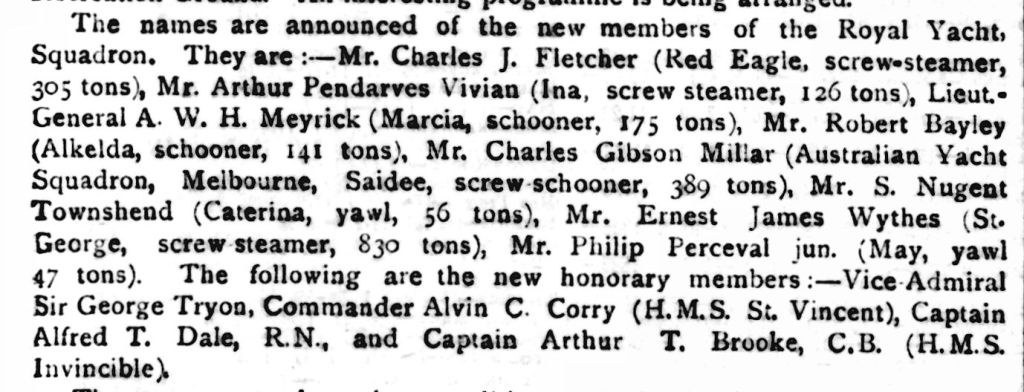
The Yacht Club, originally founded in 1815, changed its name to the Royal Yacht Club in 1820, when King George IV joined. King William IV renamed it the Royal Yacht Squadron in 1833.
It seems that Ernest did not actually possess a yacht at this point, because it was still being built in Glasgow. However, his yacht-in-progress was far bigger than the boats belonging to the other members elected that year.
The three-masted schooner steam yacht ‘St George’ was finally launched on 1 September 1890.
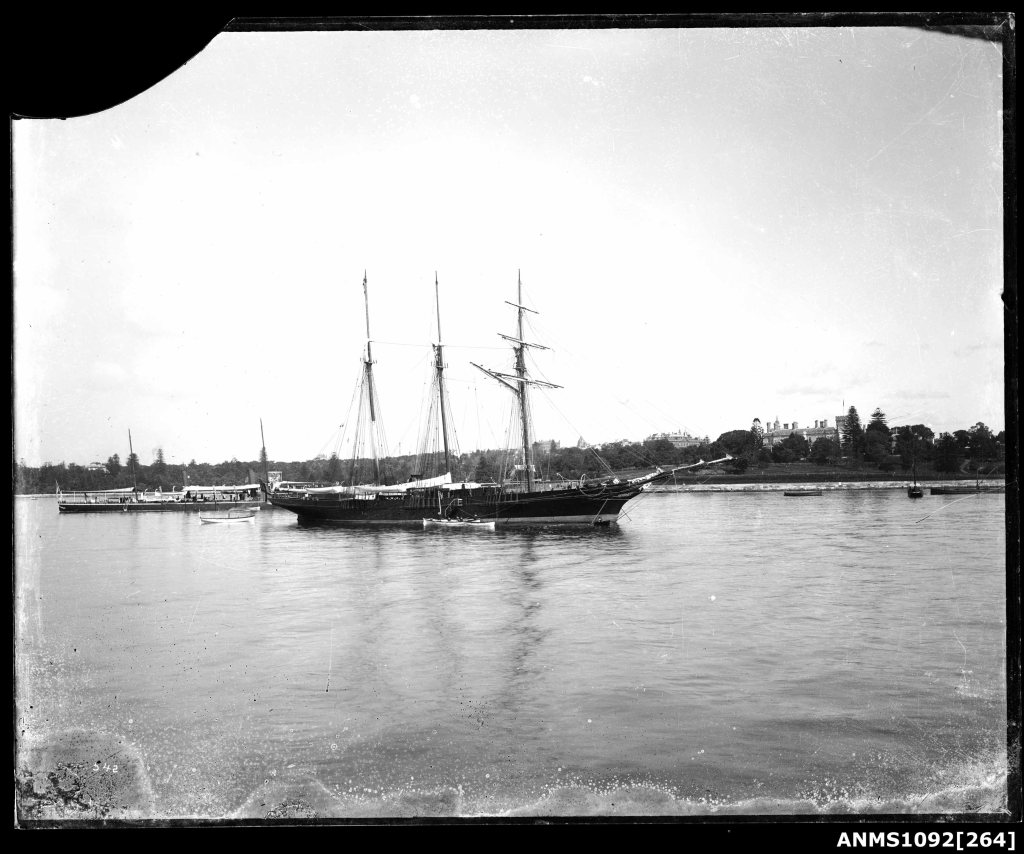
Specially designed for extended foreign cruises, she was one of the largest steam yachts ever constructed in Britain, almost 200 feet long, equipped with triple expansion engines capable of high speeds. She cost some £50,000.
But not quite the largest. She was slightly smaller than the Baron Arthur de Rothschild’s ‘Eros’, which had been built in 1884 by Shuttleworth and Chapman, at Erith. And a still larger yacht, ‘Foros’ was already being built at Greenock for Russian millionaire, Alexander Kuznetsov.
A contemporary newspaper report describes the ‘St George’:
‘A beautiful figurehead representing St George with sword in hand, flanked by carved dragons on the trail boards, gives the bow of the yacht a characteristic appearance.
In a vessel of this size, the cabins are necessarily very spacious and lofty, while the fittings will be of the most luxurious and complete description. The owner’s and friends’ sleeping accommodation is aft, and connected by a passage with the dining saloon, and other apartments forward.
A large deck-saloon and chart room are handsomely furnished on deck and built entirely of teak. Electric lighting is everywhere fitted, and a powerful search light is to be used for night work.’
Following successful trials in the Firth of Forth and final fitting out at Cowes, Ernest was ready to embark on his voyage.
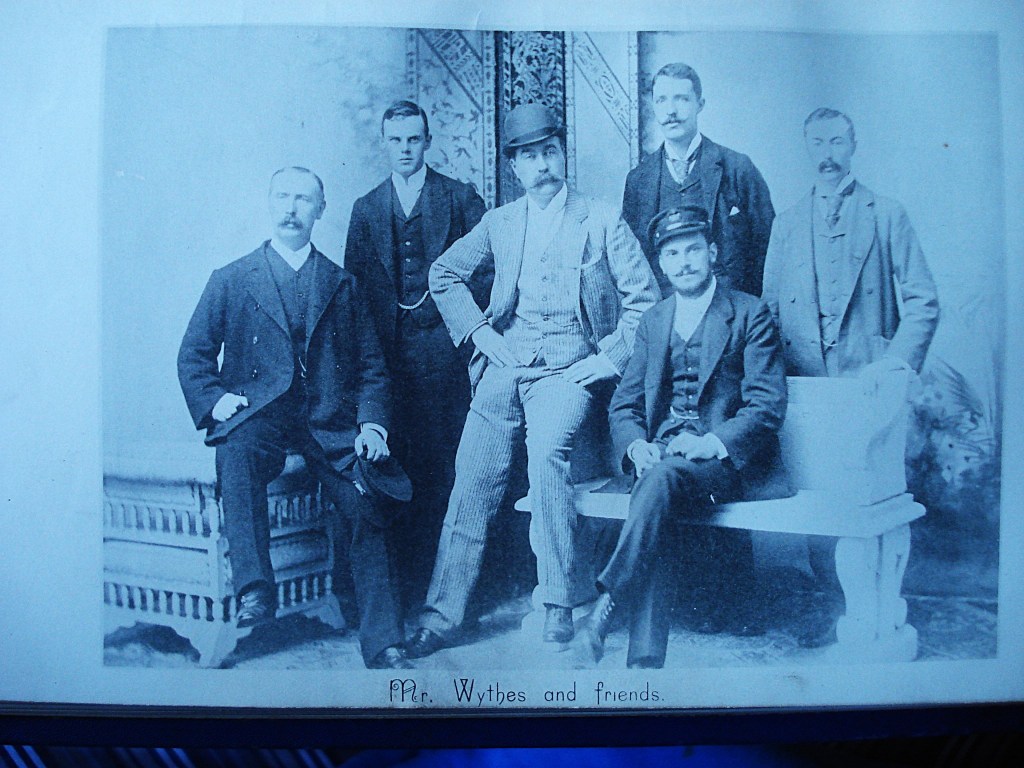
He was accompanied by three fellow students from Christchurch, Oxford: Reginald Edward Walker, John Augustine Longley and William Poole Blencowe. Edwin Frederick Berry Fell was also of the party for some of the journey.
They were joined by Captain Alfred Smirke, formerly of the 15th Hussars. He was presumably in charge of security, and was in his 40s, so could keep a fatherly eye on the young men. His niece would later marry John Francis Jemmett (see below).
The medical officer was Dr George Fyfe and the boat was commanded by Captain Tutton, supported by a crew of 37 and nine stewards.
There’s no doubt as to the identity of Wythes in this photograph. I think Smirke must be the man on the extreme left, while Captain Tutton is seated.
Shortly before departure, they were visited by Prince Arthur the Duke of Connaught, Prince Henry of Battenberg and the Grand Duke of Luxemburg. HRH is said to have remarked that the ship was built more like a man of war than a private yacht.
They departed Southampton on 19 January 1891, crossing the Bay of Biscay, following the Portuguese coast round to the Mediterranean, then on to Malta, Aden, Ceylon and the Far East, Vancouver, Fiji, Wellington, Sydney, Valparaiso and round Cape Horn, returning to Southampton on 2 November 1892.
An account of the trip, written by Dr Fyfe, was published in 1893.
It is clear from various newspaper articles that the tourists attracted significant attention. The young men took care to announce their arrival at each new port, often allowing journalists and local dignitaries aboard, while occasionally throwing a party.
In October 1891, the San Francisco Chronicle reported [my paragraphing]:
‘The yacht is the most palatial of her class that has ever entered this bay…The fittings and accommodations of the yacht are luxurious and spacious. The deckhouse is built of teak and is about 15 x 20 feet. The furniture is all leather- covered. At one end is an open fireplace. This is the lounging and smoking-room on the yact. [sic]
A vestibule companionway leads below deck to the officers’ quarters and the main cabin and staterooms. The cabin is 20 x 30 feet, finished in walnut with tapestry panels. At one end is an open fireplace that is a work of art. The carpet is Axminster and the upholsterings heavy silk.
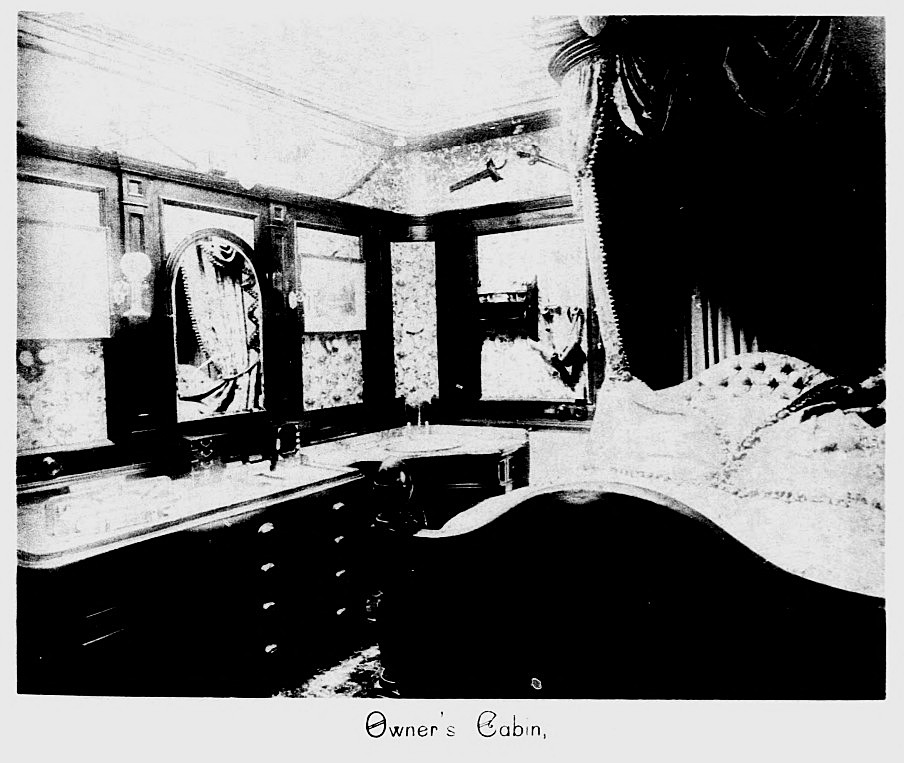
The owner’s room is next to the cabin, and is 12 x 12 in size. The bed is double and is pivoted, so that the rolling of the yacht in a heavy sea is hardly felt. A bathroom adjoins with hot and cold water, both fresh and salt.
There are six staterooms for guests, all handsomely furnished, with a main bathroom near by. In each room is a stationary washstand, with running water.’
Dr Fyfe provided a photograph of the owner’s cabin.
On the journey between Yokohama, Japan and Vladivostock in Russia, the party had more royal guests aboard in the form of the future Tsar Nicholas II of Russia who was undertaking his own international expedition, and Prince George of Greece.
Not long after his return, in August 1894, Ernest married minor nobility, in the shape of Aline Thorold, eldest daughter of Sir John Henry Thorold, 12th Baronet of Syston Hall Park, Grantham, and the Honourable Alexandrina Henrietta Matilda, née Willoughby, daughter of the 8th Baron Middleton. Sir John was briefly the Conservative MP for Grantham.
The marriage took place in St Peter and St Paul’s Church, Syston. Unadventurously, the honeymoon was at Belton House, Grantham, placed at the couple’s disposal by the Earl and Countess Brownlow.
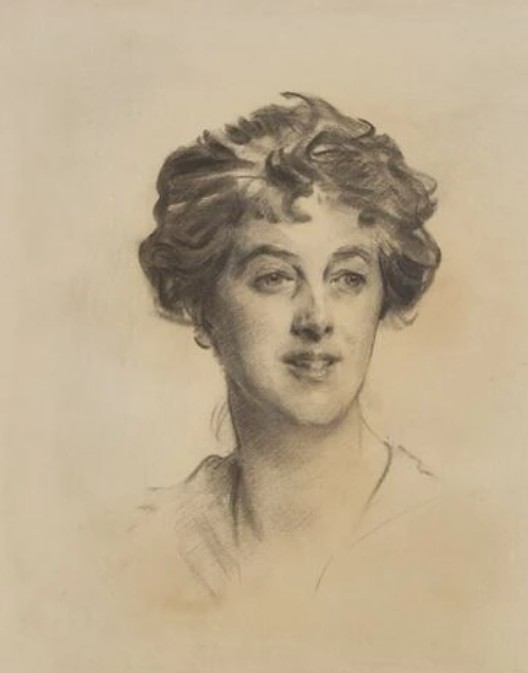
Ernest settled at Copt Hall, was appointed a JP, becoming High Sheriff of Essex in 1901. He was greatly attached to his herd of pedigree Guernsey cows. In 1920 he was awarded a CBE.
He spent some £17,000 on various improvements to Copt Hall but, when it was gutted by fire in 1917, the family moved into another house on the Estate.
As for ‘St George’, she was requisitioned for war service in March 1915 as an auxiliary patrol yacht, renamed ‘Oriflamme’.
In 1919 she was purchased for use as a sea-going training ship by Pangbourne Naval College.
But, by 1923, she belonged to the Research Expeditions Company of 50 Pall Mall, also known as the Scientific Expeditionary Research Association, whose prime mover was a Major Archibald John Angus Douglas. He and his associates had paid £8,350 for her.
They embarked on a South Pacific expedition, the first by the Scientific Expeditionary Research Association.
Major Douglas was on board, as well as several scientists and marine artist Montague Dawson, several of whose pictures from the journey were published in ‘The Graphic’.
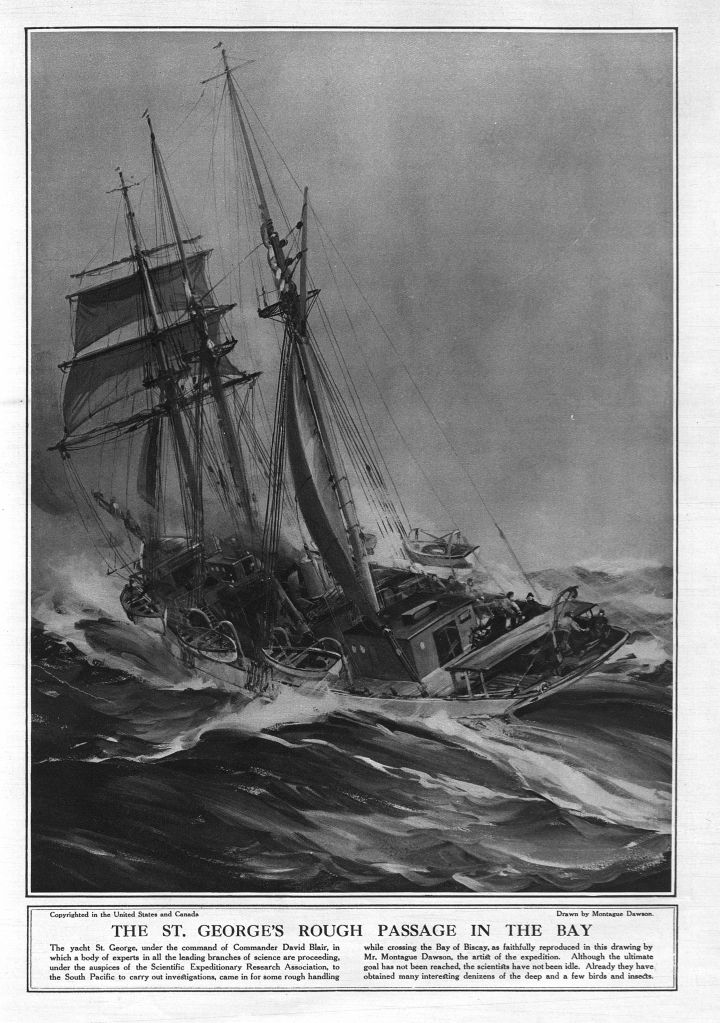
The expedition included stops at the Galapagos, Easter Island, Mangareva, Pitcairn, the Austral Islands, Rapa, Tahiti, the Tuamotus, the Marquessas and Cocos Island.
It was completed by September 1925, ‘St George’ docking at Dartmouth having completed a journey of some 30,000 miles.
Major Douglas entertained several reporters with stories from the trip and, in 1926, published an account of the journey ‘The South Seas of Today’. A film ‘Fairylands of the Southern Seas’ was also presented at London’s Philharmonic Hall.
But there were no further expeditions.
In 1926, ‘St George’ was put up for sale, and in June of that year a High Court hearing began into various financial difficulties associated with the trip. I cannot trace what became of ‘St George’ thereafter.
When Ernest Wythes died in 1949, his estate was valued at well over £500,000.
It was reported that death duties of £1.25m had been levied and 5,000 acres of land were sold to pay them. His wife, Aline Wythes, died in 1951, leaving some £23,000.
Their three daughters were Alexandrina (1895-1973) who did not marry but travelled extensively, Barbara (1896-1984) who married Francis Cary-Elwes and Cecilia (1900-1979) who married Geoffrey Codrington.
Dora Wythes
Meanwhile, the 1891 Census records Ernest’s half sister Dora living in Durham, now 15, with her mother and stepfather.
She might have envied her brother’s huge wealth though, according to one later obituary, her father had left her an income of £30,000 per year.
In 1896, upon attaining her majority (and her father’s bequest), she married Frederick William Fane Hervey, 33, Commander in the Royal Navy and heir to the title of Fourth Marquess of Bristol.
He had been born in Dresden, Germany, his father being the younger brother of the 3rd Marquis. He attended Tonbridge School and Eastman’s Royal Naval Academy before joining the Royal Navy as a cadet in 1877.
He was promoted to lieutenant in 1883 and commander in 1895, reaching captain in 1901. His commands included the cruiser HMS Prometheus and, briefly, the battleship HMS Renown. He retired in 1911 with the rank of Rear Admiral.
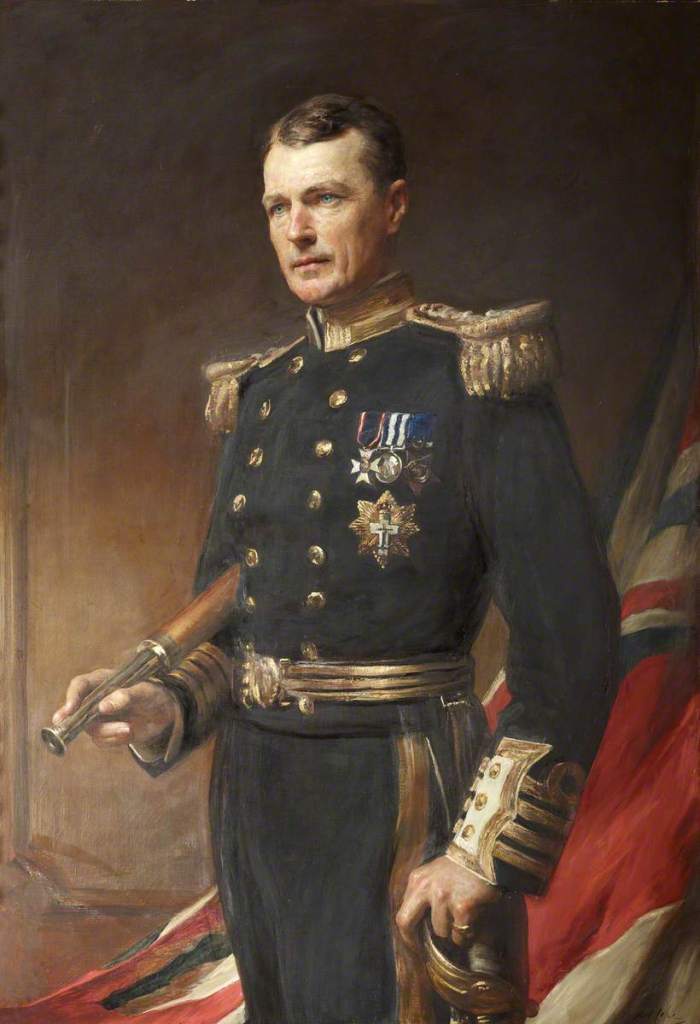
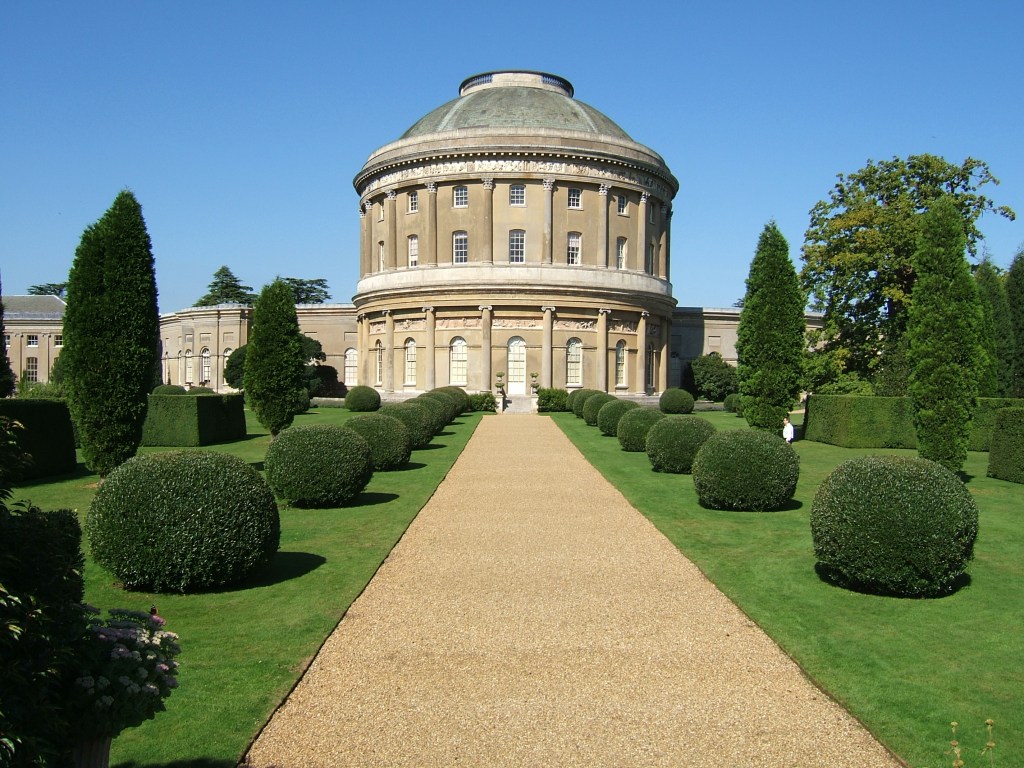
At the time of the 1901 Census the young couple were living at Ickworth House in Suffolk, along with Dora’s mother Rachel. Dora had already given birth to two daughters, Lady Marjorie, aged 3, and Lady Phyllis, aged 2, the latter born in Valetta, Malta.
Ickworth House was built between 1795 and 1829. It featured a large central rotunda, some 105 feet high, supported by two-storey east and west wings.
In January 1906 Hervey was elected Member of Parliament for Bury St Edmunds, but relinquished that role upon assuming his title in August 1907.
By 1911, the family were still at Ickworth, now styled the Marquess and Marchioness of Bristol.
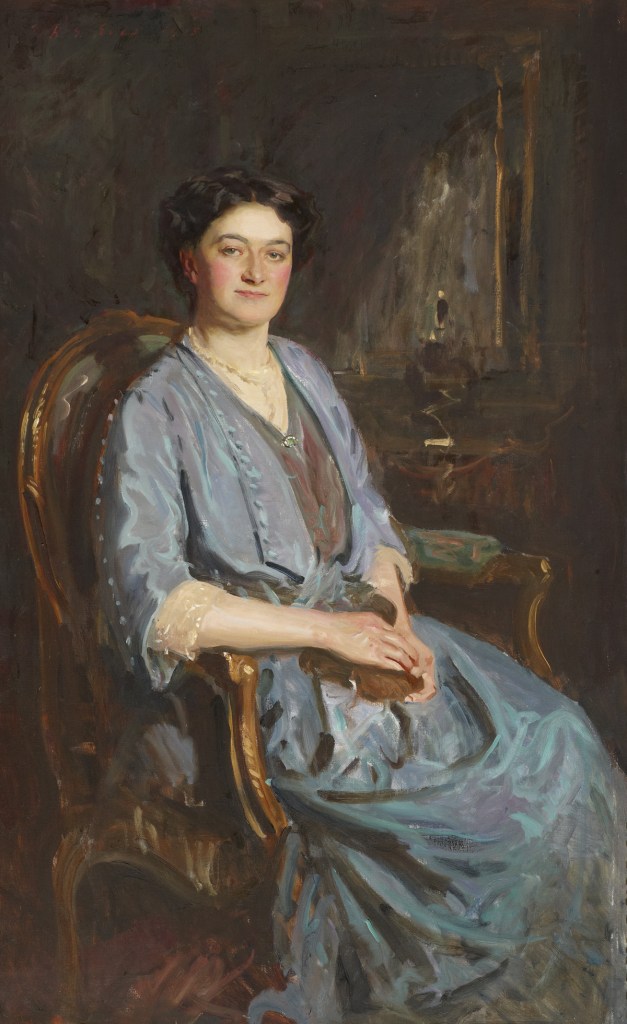
Her mother Rachel had removed to Oatlands Chase in Walton on Thames, living there with her unmarried sister and numerous servants.
Her husband was not at home and presumably continued to spend much of his working life in Durham. She died in 1914 leaving some £70,000; he died in 1917 leaving £6,000.
The 4th Marquess died in 1951. It was reported that he had left £1.25m in his will, the bulk to his wife, during her lifetime. The will acknowledged that, over the years, his wife had lent him some £310,000, which he wished to repay from his estate, but records of these loans could not be found.
In 1955 Dora offered Ickworth, its furniture, plate and works of art, extensive parkland and an endowment of £185,000 in part payment for £600,000 of death duties on her husband’s estate. It was said that she was the first person to have chattels accepted in lieu of death duty.
She died in 1957 leaving well over half a million pounds.
Meanwhile, the estate was acquired by the National Trust. The 60-room East Wing was leased to future Marquesses of Bristol in perpetuity, but the 7th Marquess sold it to the Trust in 1998. The Trust then refused to sell it back to the 8th Marquess and it is now a hotel.
Lady Marjorie married Lord Erskine (1895-1953) in 1919. He was later Conservative MP for Weston-super-Mare and Governor of Madras. She died in 1967.
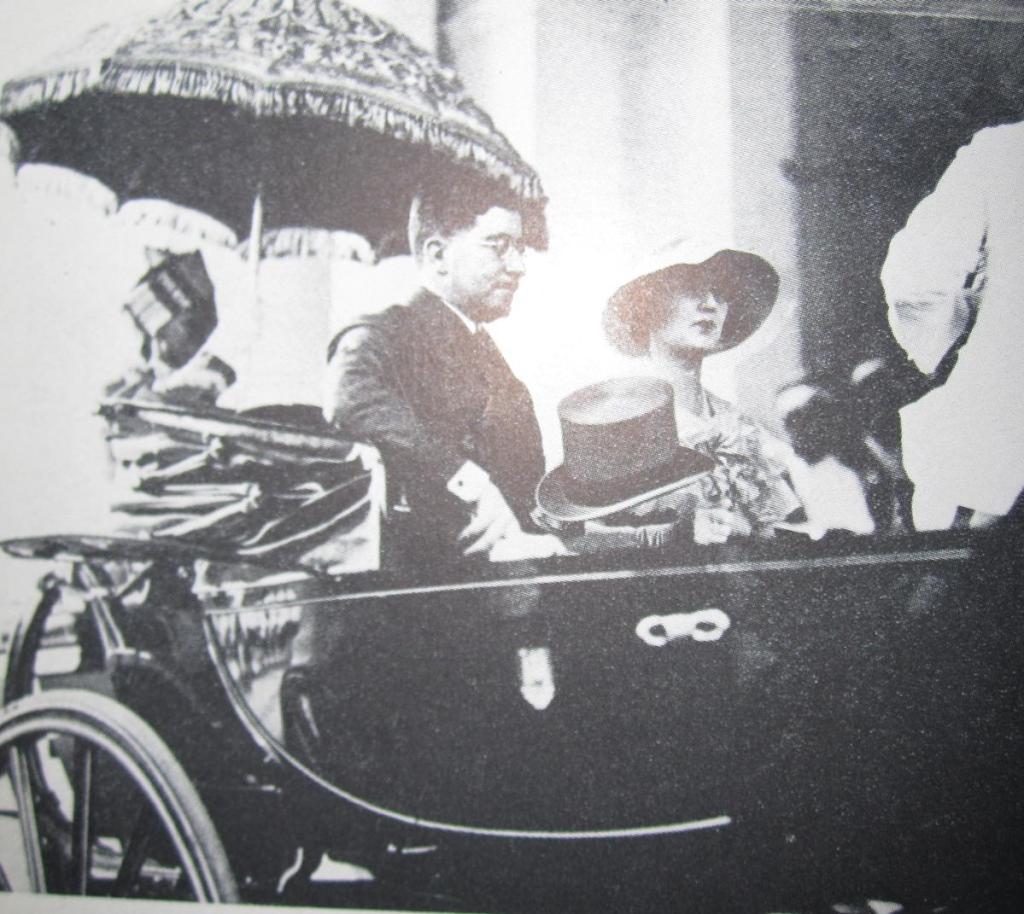
Lady Phyllis married Captain John Duncan George MacRae (1896-1966) in 1921. She died in 1990.
Charles Fuhr Jemmett and John Francis Jemmett
We must return to the rather more prosaic lives of Charles Edward Jemmett’s two sons, brothers of the short-lived Catherine Sarah Jemmett.
The 1871 Census reveals that Mary Rastrick and the two young men had removed, if only temporarily, to Woking Lodge, an estate of some 15 acres, then adjacent to Woking Station. (The London and South Western Railway Company subsequently purchased the estate for about £16,000 in 1905.)

Head of the family was Mary’s brother, George Rastrick, the solicitor. Mary and a second brother, Henry Rastrick, were ‘visitors’, as were Charles Fuhr Jemmett, now 27, a ‘Barrister at Law’ and John Francis Jemmett, 23, ‘Bachelor of Arts’.
A ladies’ maid and three more servants completed the household.
Charles Fuhr Jemmett had attended Trinity College, Cambridge, graduating in 1867. He took his BA, Bachelor of Laws and Master of Laws at Cambridge, his MA and Bachelor in Civil Law at Oxford. He was called to the Bar at Lincoln’s Inn in 1869.
John Francis Jemmett attended Christ Church College, Oxford, taking a BA in 1870 and a Bachelor in Civil Law in 1873.
While at Oxford he was awarded the Terminal Prize Foils in a fencing competition organised by the University Gymnasium. (This was some decades before the founding of the University Fencing Club.)
In June 1873 he took part in an Ordination Service at St Albans Abbey. He read the Gospel in the Communion Service, denoting that he had come first amongst the candidates for holy orders in the preliminary examination.
He was admitted to Holy Orders in June 1873 as a Deacon, and licensed to a curacy in Tring, Hertfordshire. In June 1874 he was ordained by the Bishop of Rochester in the Parish Church, Cheshunt.
A few months later, in November 1874, he married Mary Octavia Smirke, daughter of Sidney Smirke, a prominent architect, and Isabella, nee Dobson.
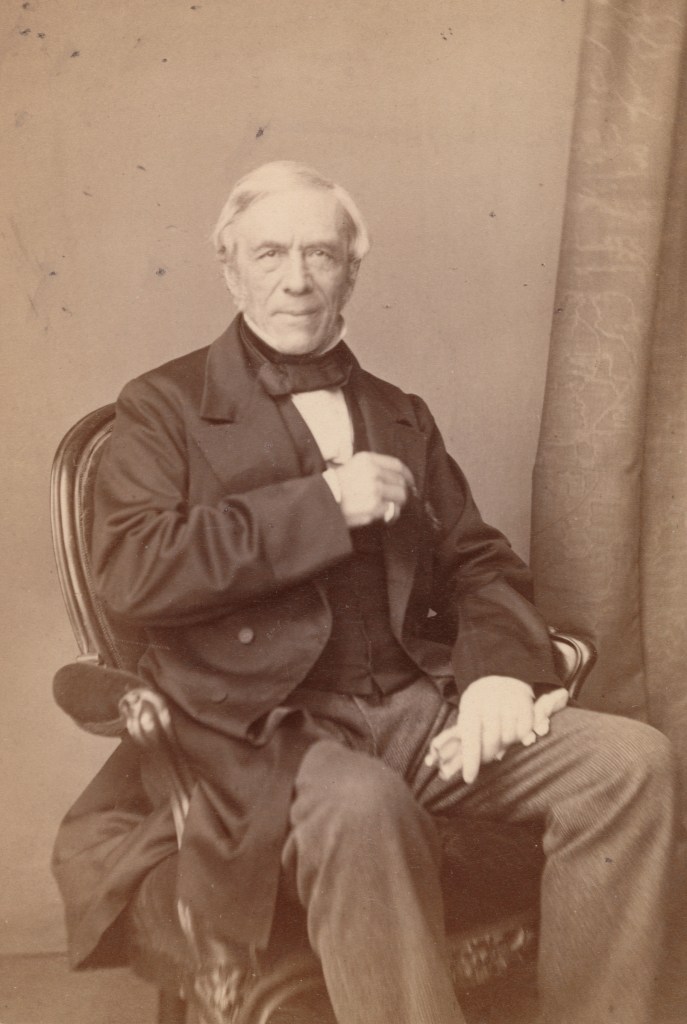
As noted above, she was the niece of Captain Alfred Smirke, who later accompanied Ernest Wythes on his world tour aboard ‘St George’.
Sidney Smirke’s architectural credits include the nave roof of York Minster, the Carlton Club in Pall Mall and the circular reading room at the British Museum.
In 1877, J.F. Jemmett was appointed Vicar of Feltham, Middlesex, removing to the Vicarage there with his young family.
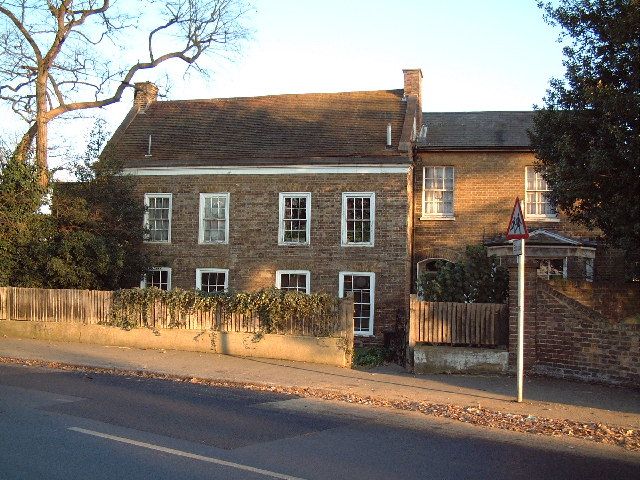
Today, the Old Vicarage, at 39 St Dunstan’s Road, is a listed building, described as two storey, yellow brick, originally Seventeenth Century, but given a new frontage in the late Eighteenth Century.
According to the Electoral Register, Charles Fuhr Jemmett’s home was still nominally The Cranes. Indeed the Surrey Electoral Registers place him at The Cranes from 1866 through to 1874, which suggests he owned it until that date, even though he was not resident.
By the time of the 1881 Census he was part of his brother’s household at the Vicarage in Feltham. John was now 33, confirmed in his role as Vicar of Feltham. His wife, Mary Octavia, was 28. They had two small daughters: Mary Kate, born on 3 October 1875, and Violet Octavia, born on 28 September 1879.
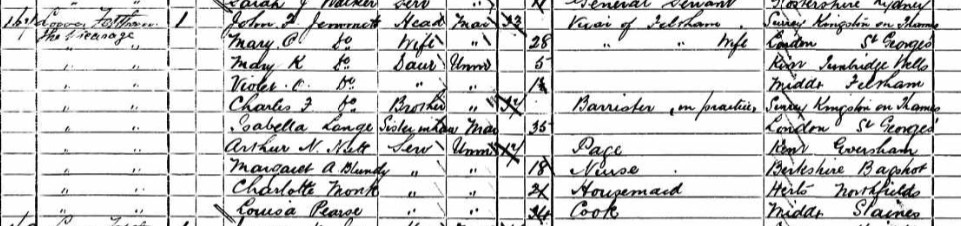
Charles Fuhr Jemmett, now aged 37, is described as ‘Barrister, in practice’.
Also present was Isabella Lange, 35, Mary Octavia’s married sister.
Isabella had married William James Montague Lange ‘Her Majesty’s Netherlands Consul’, in July 1871 but, at this point, he was resident in Whitburn, Durham, with their eight year old son. The couple seem to have separated permanently.
A page, a nurse a housemaid and a cook were also resident.
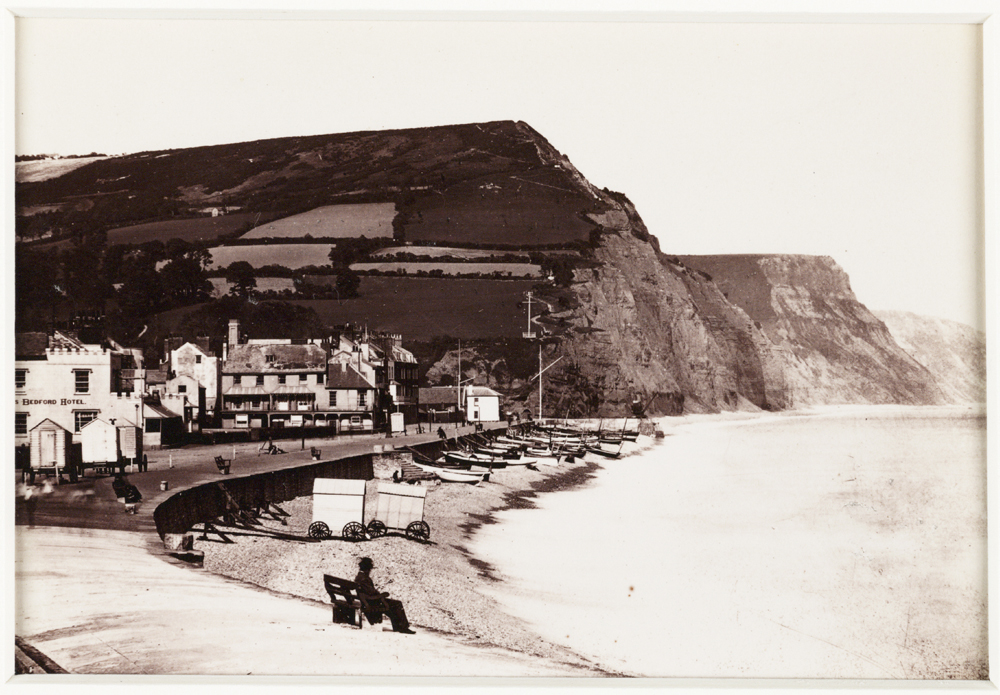
Meanwhile, their former guardian, Mary Rastrick, now 62, had relocated to a house called Sea View in Sidmouth, Devon. She also had a housekeeper, a cook and a housemaid, and described her employment as ‘Dividends’!

In fact, local newspapers indicate that she had been resident at Sea View as early as 1868, presumably already relieved of her duties in respect of her niece and nephews.
We know Seaview was built on the cliff above the ‘bathing cove’ since there was some debate in 1876 about the steps Miss Rastrick had built to give her access to that cove.
At around this time she also purchased a neighbouring property called Clifton Cottage.
According to the Sidmouth Town website, Sea View was demolished in the 1930s, though Clifton Cottage still stands. Sea View’s gardens have been extended to form Connaught Gardens on Peak Hill Road.
In August 1878 Miss Rastrick wrote to the Sidmouth Local Board complaining about ‘offensive open-sea bathing opposite her premises’. In response ‘The Inspector was directed to watch for offenders’.
In 1886, she opposed the Sidmouth Water Bill, owing to concerns about its impact on her property, but ultimately withdrew her opposition.
In the summer of 1889, she began a bitter struggle over whether a groyne should be extended seaward, even to the extent of bringing in Charles Fuhr Jemmett to represent her.
She died a few months later, on 9 October 1889, at the Vicarage in Feltham, leaving a little under £8,000. C.F. Jemmett was her executor.
By 1883 he was lodging in an apartment at 37 Half Moon Street, off Piccadilly, in a house belonging to a Miss Mary Wimperis. He seems to have remained there until October 1889, when he removed to Sea View. According to the 1891 Census, he was living there alone, apart from a cook and a housemaid.

He remained a landowner in Kingston, no doubt inherited from his father. In June 1891, when Surrey County Council was purchasing the land on which to build a new County Hall (part of the ‘Woodbines Estate’) they bought two acres from the freeholder, Charles Fuhr Jemmett, for £4,000.
A contemporary newspaper account says that the Woodbines Estate had been owned by the Jemmett family for 60 or 70 years.
C.F. Jemmett took on his aunt’s dispute over the Sidmouth groyne, with even greater persistence.
By September 1890, he was complaining to the Local Board:
‘Please be so good as to inform the Sidmouth Local Board that, as a ratepayer and owner of property in their district, I object to the rocks, big stones, and other building materials at the Western end of the Sidmouth Esplanade, being removed for the purpose of extending the projection which your Board appear to delight in calling a groyne, but which the Local Government Inquiry held here last year, and matters subsequent have proved to be a pier, or the commencement of a pier; my reason for so objecting being that such removal for such purpose and also any expenditure in respect thereof, made by the Sidmouth Local Board, out of the rates or other public monies under their control, would be contrary to law.’
In discussion, the Board noted that Jemmett had:
‘…taken the liberty of building on the foreshore without asking anybody’s permission [and]…had interfered with persons who had been bathing. On one occasion he almost frightened a young lady who had been bathing from a tent, and sent his gardener to order that the tent should be removed.’
Jemmett finally lost this argument in 1892, but he continued to insist that bathers had no right to use the foreshore in front of his property.
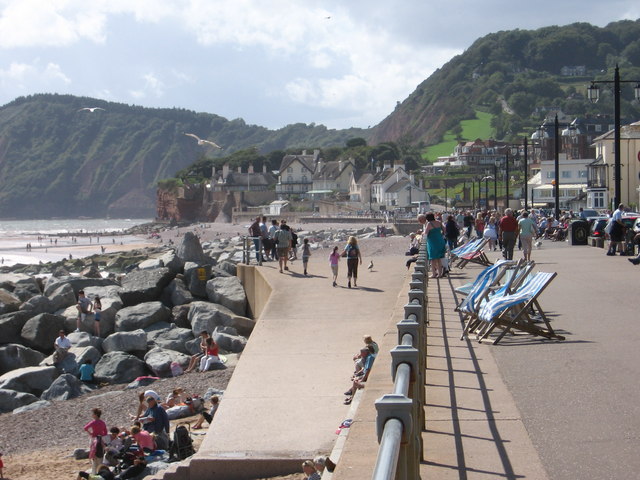
Towards the end of 1891, the Board heard a report that the cliffs underneath Sea View were in a dangerous condition. Jemmett disputed its authority to interfere.
He seems to have built his own protecting wall which, by 1899, the Board considered itself a dangerous structure. They urged Jemmett to work with them to secure the safety of the cliffs.
During this period he worked as a Revising Barrister for Sussex. Revising barristers were appointed by senior judges to review voter registration lists, identifying those eligible to vote in Parliamentary Elections.
They typically held revising courts from mid-September to late October annually. On these occasions, they reviewed statements from officials who had drawn up the voter lists, as well as the views of claimants and objectors.
The role was ultimately abolished in 1918.
Jemmett also specialised in both ecclesiastical law and maritime law.
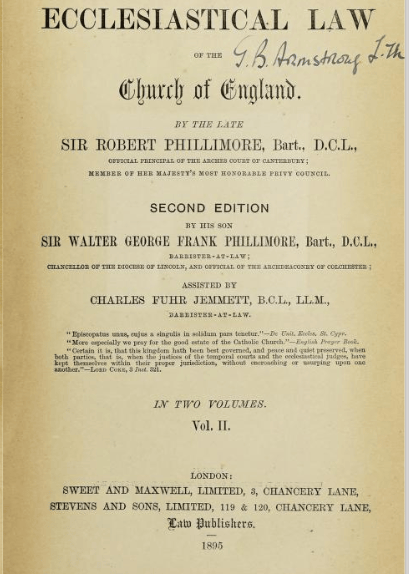
‘The Ecclesiastical Law of the Church of England’ was written by the eminent judge Sir Robert Phillimore (1810-1885) in 1873. A second edition, published in 1895, was edited by his son, Sir Walter George Frank Phillimore, also a judge, assisted by ‘C Fuhr Jemmett BCL London’.
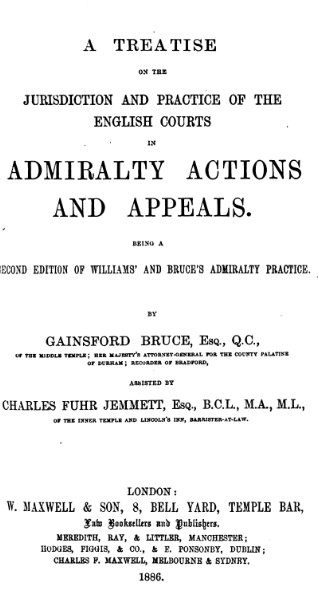
In 1886, he had assisted one Gainsford Bruce with the preparation of the second edition of ‘A Treatise on the Jurisdiction and Practice of the English Courts in Admiralty Actions and Appeals’. In 1902 he jointly authored the third edition with Gainsford Bruce, assisted by George Grenville Phillimore.
In 1903, with R A B Preston, he published the second edition of ‘A Treatise on the law relating to pleasure yachts’, the original edition having been published by Preston in 1884. One wonders whether he had been inspired by the activities of Ernest Wythes!
C.F. Jemmett had returned to Half Moon Street by the time of the 1901 Census, now aged 57, and he seems to have remained there until 1910, when his address was given as ‘Hotel Windsor S.W.’.
This must have been a temporary arrangement since, by the time of the 1911 Census, he was living at the Conservative Club, based at 74 St James Street.
He remained until his death in 1922, still practising as a Barrister (though the actual place of death is recorded as 22 Bentinck Street, which I believe was the location of a nursing home).
He never married and left an estate worth some £38,000. Aside from a few small legacies for servants, he left his property in trust to his sister-in-law, Mary Octavia, with the residue going to her son Frank Rupert Jemmett (see below).
Although ostensibly a man of God, John Francis Jemmett clearly had a well-developed sense of right and wrong.
In 1882 he spoke in Court against a group of young men charged with obstructing a public right of way in Feltham. He complained that, especially on Sundays, they blocked the pavement and used bad language, so that ladies could not attend his church and were afraid to send their servants.
That October, two boys were summoned for damaging his fences and were fined 2s 6d apiece.
He might have become unpopular with elements of the local populace.
In July 1884, one Edward Bolton was charged with maliciously killing Jemmett’s fox terrier. He had allegedly shot the dog then, hearing it yelp, had battered it about the head until it was dead. He was fined £2, plus £2 compensation for the dog or, if he could not pay, a month’s imprisonment.
Something of the nature of the man might be elucidated from a newspaper article published in 1887:
‘The Rev J F Jemmett, Vicar of Feltham, attended the Staines Petty Sessions, yesterday, to prosecute two married women named Ellersley and Higgins, for vagrancy. He explained that he had taken up the case on public grounds, the woman [sic] having called at Feltham Vicarage and untruthfully represented that they were in great distress, while they had also given false names and addresses. He recognised Ellersley as a woman who had imposed upon him previously, and complaints had been made about her by other persons. A constable said the women lived at Sunbury, where their husbands were at good work. There was employment at 2s 6d a day for Ellersley to go to. The bench sentenced Ellersley to a month’s imprisonment, and the other woman was fined 10s.’
The family remained at Feltham Vicarage for the 1891 Census. There were now four children: Mary Kate, 15; Violet Octavia, 11; Winifred Sheila, 8; and Frank Rupert, 5.
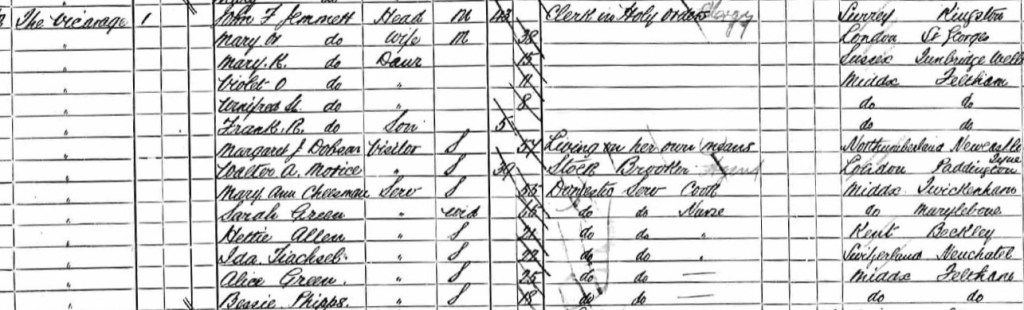
Early in 1891 it was reported that the Vicar was unwell. He was away from his duties for some months, recuperating at Brighton. Returning at the end of June he had a relapse and, by August, had to leave once more, for Switzerland, where he spent the summer.
At the time of the 1901 Census he was 53; his wife 48. Their three daughters, aged 26, 22 and 18, remained unmarried and at home. Frank Rupert was at Eton. There were five servants.
In 1902 three boys were charged with having stolen the Vicar’s tricycle, worth £5. It was speedily recovered by his son, who followed the boys on his own bicycle, overtaking them on the road to Hounslow.
Jemmett had apparently mellowed with age. He conceded that his tricycle might only have been worth 35s and said he would prefer the boys not to be imprisoned. They were bound over.
In June 1906 William Aires, a miner from Ashford, was charged with breaking into the vicarage and stealing various items worth £20. Two locked drawers were forced with a screwdriver and the key to the safe was broken in its lock.
The intruder had left a dirty thumbprint on a jug which matched Aires’s own.
However, he was found not guilty on this charge (but was still imprisoned for 20 months, for receiving stolen goods).
Jemmett remained at Feltham Vicarage for the 1911 Census. Now 63, he had been Vicar of Feltham for 34 years. Mary Kate (35) and Winifred Sheila (26) were still at home. There was also a ladies’ maid, a parlourmaid, a housemaid, a kitchen maid and a cook.
By May 1912, however, his successor was in place at the Vicarage and he had removed to West Uplands, Portsmouth Road, Guildford. We know from an auction of that property in 1905 that it contained nine bedrooms and four reception rooms, with stabling for two horses.
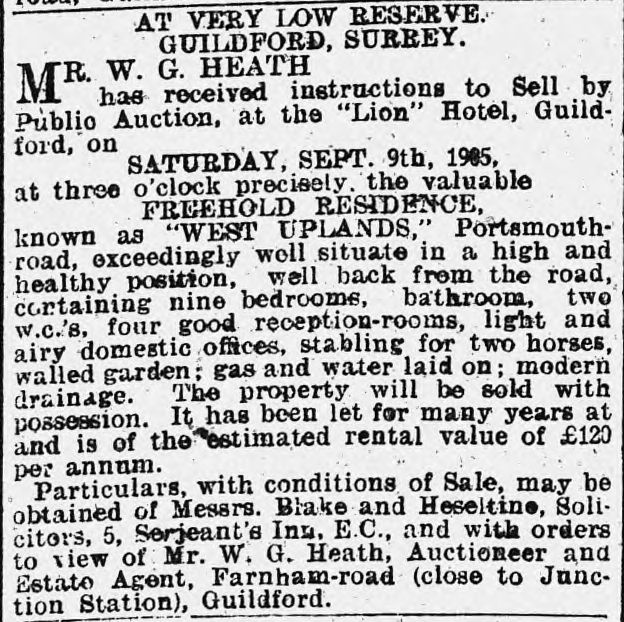
By 1921, J.F. Jemmett and his wife were in Folkestone, Kent, living at Waynflete, 14 Radnor Park Avenue, with their two unmarried daughters. Their son and his wife were visiting.
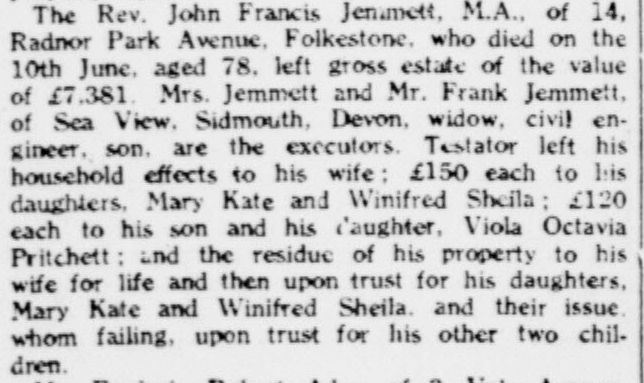
He died there on 10 June 1926, leaving an estate of some £7,000.
By the time probate was granted in August, Mary Octavia, his widow, and her son Frank were both resident at Sea View in Sidmouth.
Mary Octavia died on 9 June 1944, aged 91, and is buried in Warminghurst, West Sussex, having lived for some years, at Warminghurst House.
Turning to their four children…
Mary Kate Jemmett remained unmarried.
In 1913 and 1914, she had miniatures presented by the Surrey Arts Circle. The 1921 Census described her as an artist and, in 1922, she exhibited with three others at Folkestone’s Woodward Institute.
In the local paper’s review she is described as ‘Member Society of Miniaturists, Exhibitor RA Salon’:
‘Miss Jemmett, both in colours and oils has sought not in vain for local subjects on which to lavish her undoubted abilities. “A view from Folkestone Golf Links,” “Hythe by Moonlight,” and “Sunset on the sand” are amongst her best. The artist’s studies of animal life are exceedingly fine. Her perspective in all cases is good, while her colouring, though bold in some cases, is not overdone. Miss Jemmettt is also very successful in miniatures and was congratulated by Queen Alexandra for her grand study of “Sandringham Chum” (a dog).’
In 1926 she exhibited at the exhibition of the Society of Women Artists at the Royal Institute Galleries, Piccadilly.
The 1939 Register records her as a patient of the Holloway Sanatorium Private Mental Hospital in Egham, Surrey. She died there in December 1949.
Violet Octavia Jemmett married George Edward Barker Pritchett, a Feltham electrical engineer, in April 1903. They had three children. She was widowed in 1920 and travelled abroad extensively after her husband’s death. She died in August 1944, shortly after her mother.
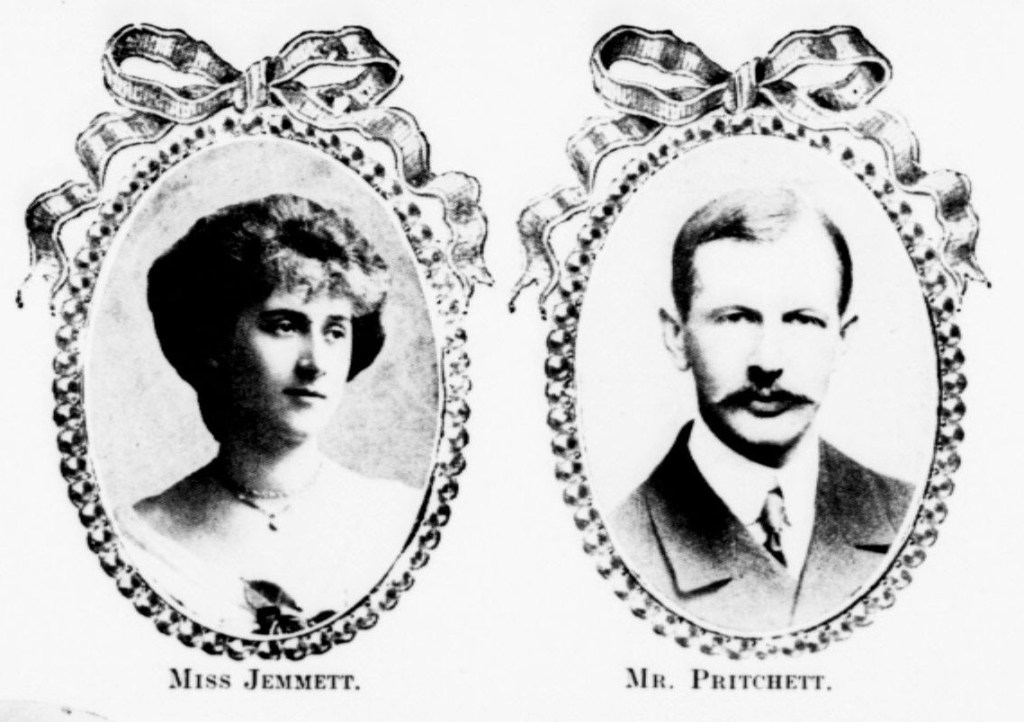
Winifred Sheila Jemmett also remained unmarried. In the 1939 Register she was shown living at Warminghurst, undertaking domestic duties for her mother. By the time of her death in 1957, she was living at a hotel in Newton Abbott, Devon.
Frank Rupert Jemmett went to Eton and Cambridge, then joined the Royal Engineers.
By 1909 he was a second lieutenant stationed at Lancashire Fortress, Liverpool and attached to “A” Electric Lights Company. In 1911 he completed the examinations necessary for associate membership of the Institution of Civil Engineers and in 1912 he was awarded an MA by Trinity College Cambridge.
By 1914, he was still with the Royal Engineers but had switched to “B” Electric Lights Company.
In 1921 he married Claire Molyneux Sarel, 38, the youngest daughter of Henry Andrew Sarel, a deceased Lieutenant General and Lieutenant Governor of Guernsey.
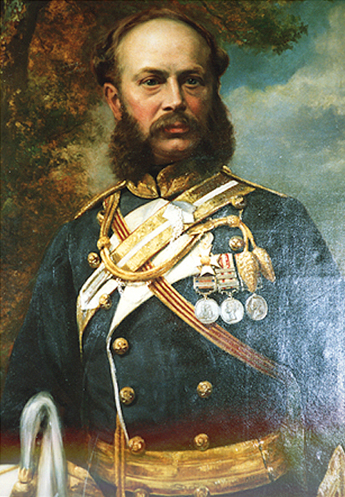
The 1921 Census records them as visitors at his parents’ home, his employment described as civil engineer, working for the Egyptian Government.
By 1930 they were resident in Sydney Street Chelsea. In June 1938 they returned from a period of residence in Malaya and, by 1939, were living in Hale, Cheshire. The 1939 Register describes Frank as ‘Regional technical adviser, home ARP dept.’
He died in 1965; his wife in 1967.
TD
November 2026





Leave a Reply