
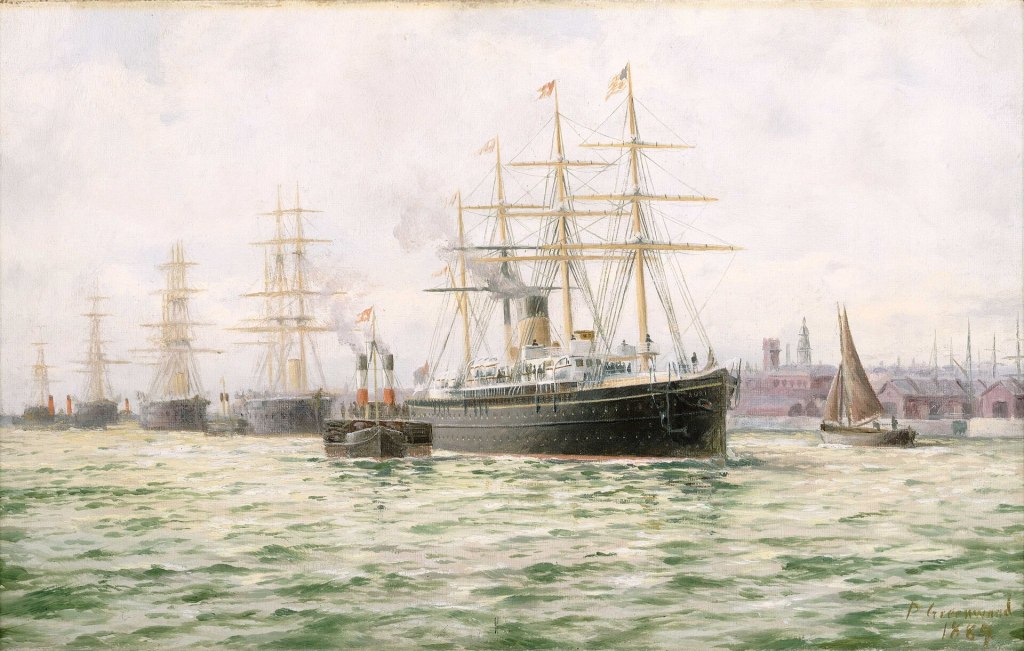
This is the second in a series of posts about the people who lived in a house called ‘The Cranes’.
Though it was pulled down more than 120 years ago, it lends its name to four neighbouring streets in the northern part of Surbiton, close to the boundary with Kingston upon Thames: Cranes Park, Cranes Park Avenue, Cranes Park Cresent and Cranes Drive.
The first post in this series was about the first resident of ‘The Cranes’, Charles Edward Jemmett, his family and descendants.
This post is about Henry Threlfall Wilson, who succeeded Jemmett at ‘The Cranes’, his family and descendants.
Subsequent posts will deal with:
- Robert Arthur Read, who was resident at ‘The Cranes’ for much of the 1880s and 1890s, his family and descendants;
- John Howard and family, who lived at ‘The Cranes’ briefly in the 1890s;
- How a new Cranes Park housing estate spread across the land previously attached to ‘The Cranes’, as well as other land in the vicinity;
- Demolition of ‘The Cranes’ and a second iteration, located on Cranes Drive, occupied by the Mercer and the Wheeler families.
The principal characters who feature in this post are shown in the attached family tree.
For more about the precise location of ‘The Cranes’, please refer to the introduction to Part 1.
This is definitely not the last word on the history of ‘The Cranes’ or, for that matter, of the Cranes Park Estate. I hope there will be readers able to correct my errors and/or supply details I have omitted.
Pertinent photographs are always welcome.
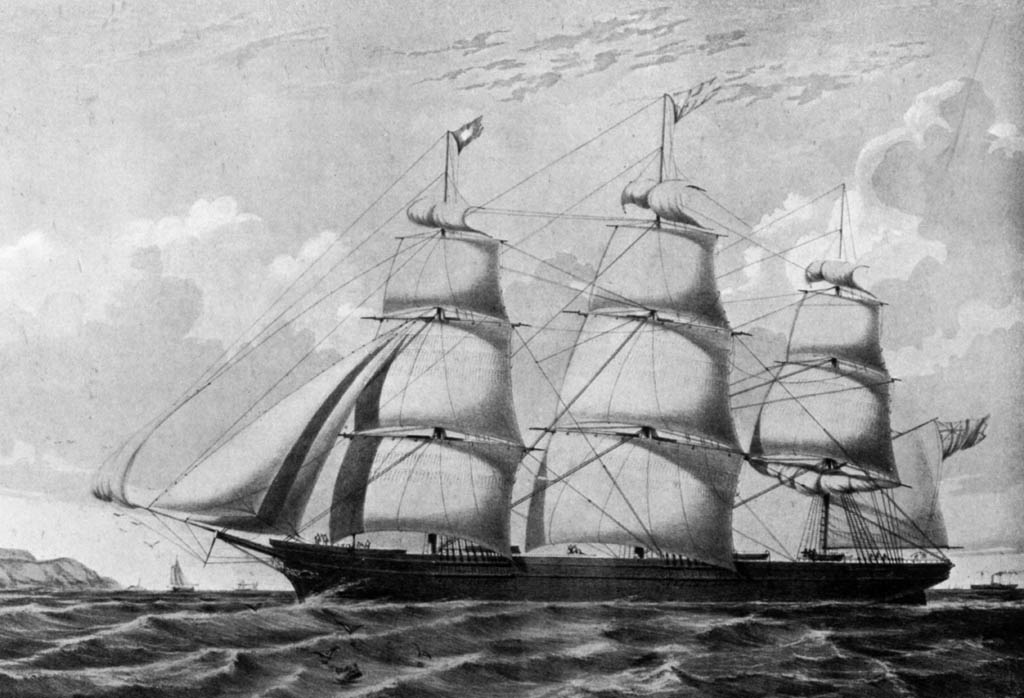
Henry Threlfall Wilson
Henry Threlfall Wilson was the most famous resident of ‘The Cranes’, though he lived there for only a matter of weeks.
He was born on 30 March 1825 to John Wilson, then Innkeeper at the Junction Inn, Denshaw, near Oldham, and Dorothy, née Threlfall.
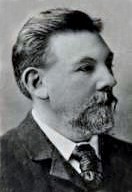
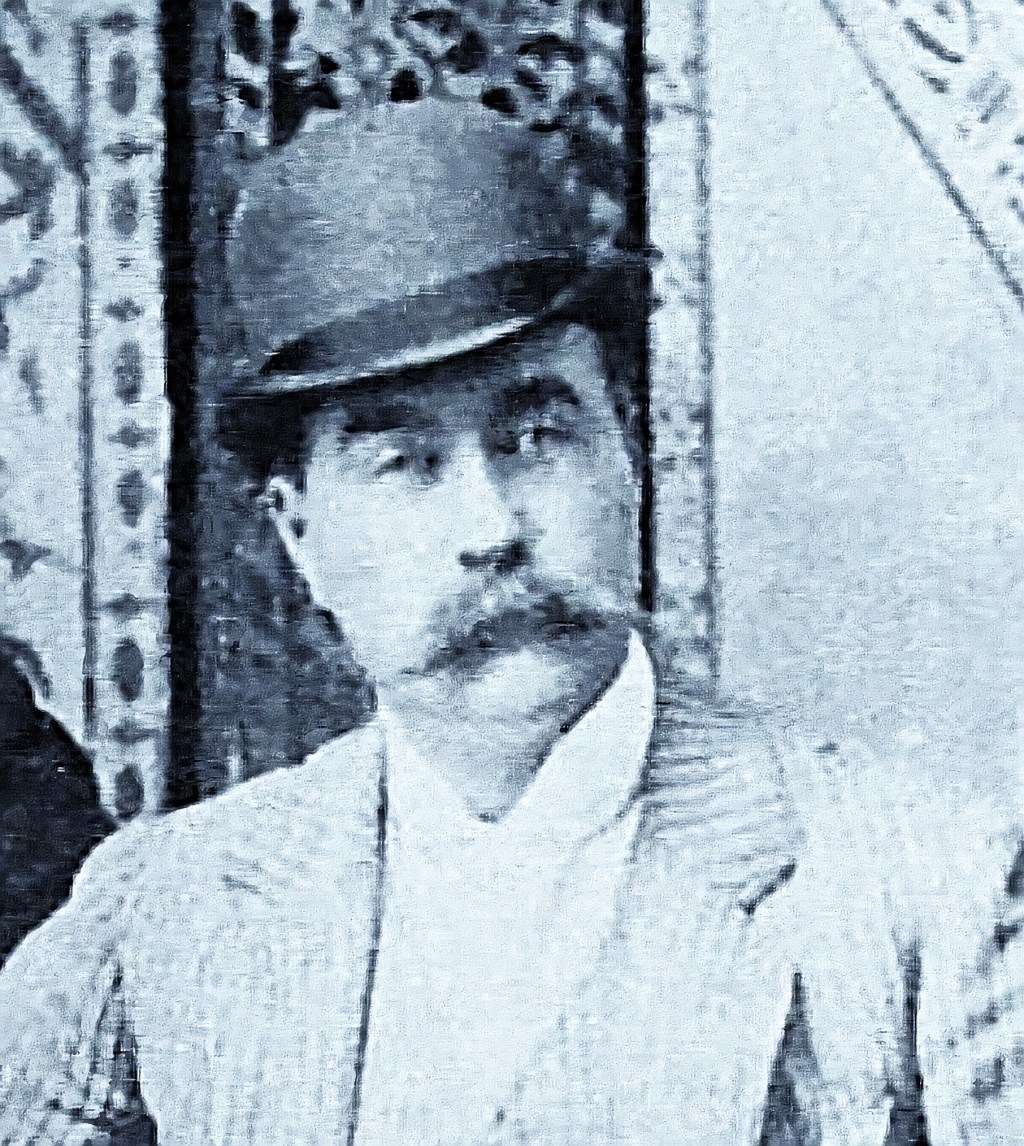
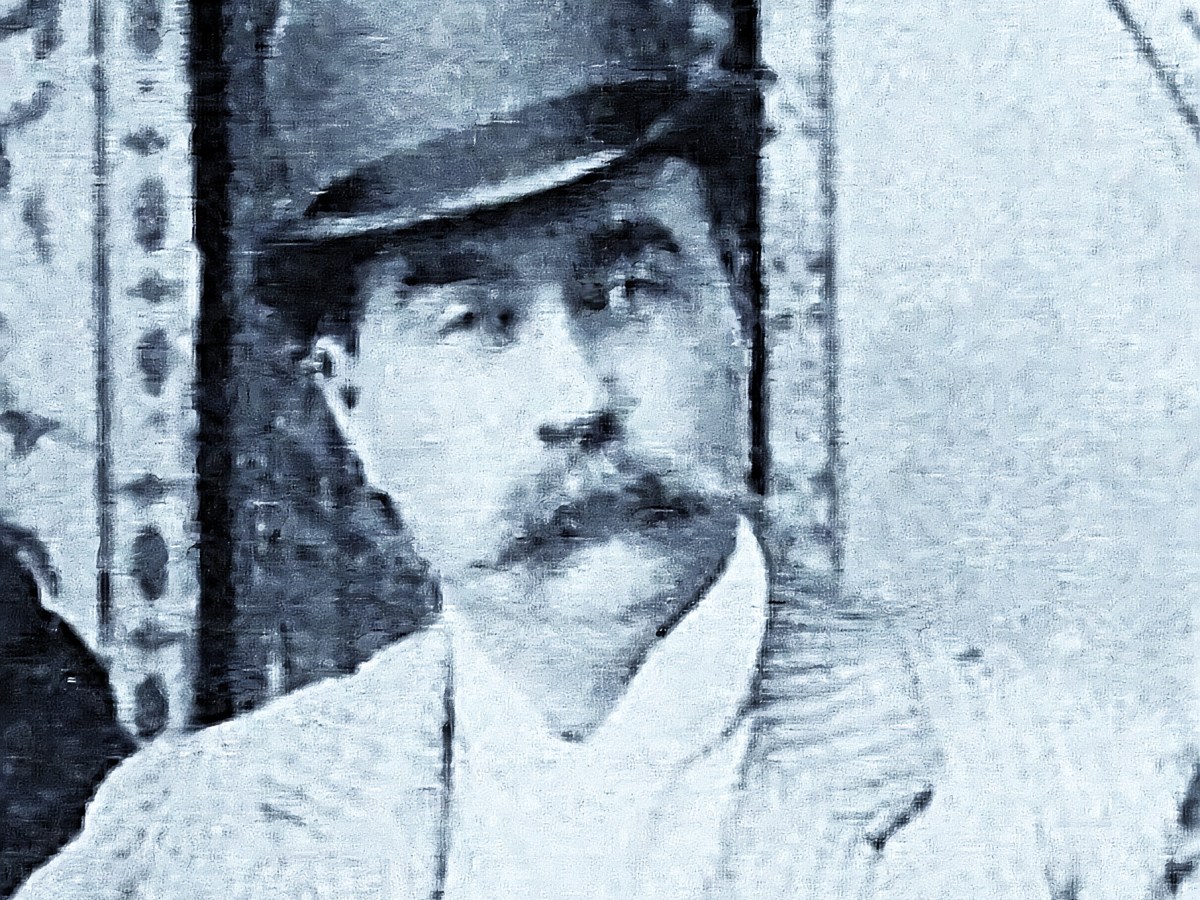
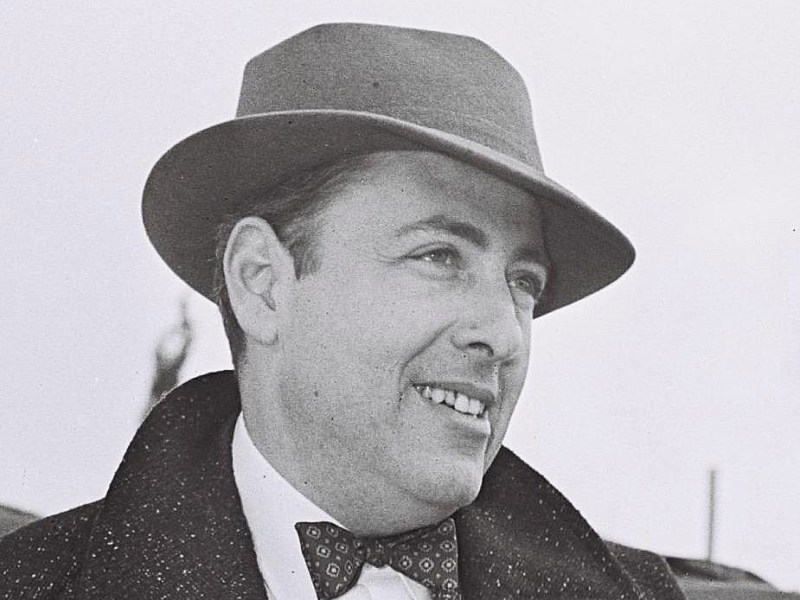
He is believed to have attended Lancaster Free Grammar School, now Lancaster Royal Grammar School, and this anonymous picture is said to be an early likeness.
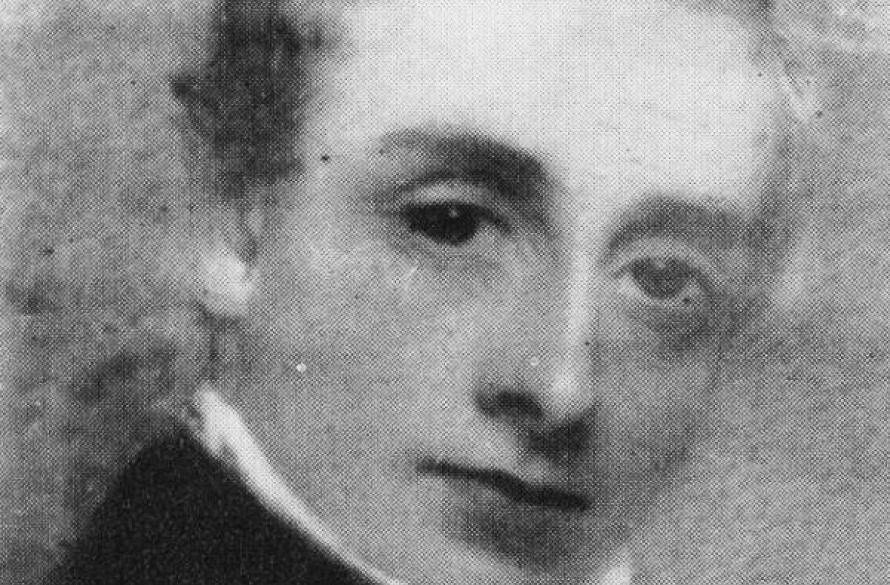
By 1841 the family were resident in Liverpool, his father now described as a ‘barkeeper’. Henry, barely 16, was also employed. Although his job description is very difficult to read, my best guess is ‘broker’s assistant’.
Certainly, by 1845, he had partnered with a man called John Pilkington, son of a master mariner, and they were conducting business as shipbrokers from offices in Prince’s Building, 26 North John Street, moving to 20 Water Street in 1846.
Pilkington and Wilson’s first known sailing was to Montreal in April 1846: the brig ‘Elizabeth’, 249 tons, captained by George Tickle.
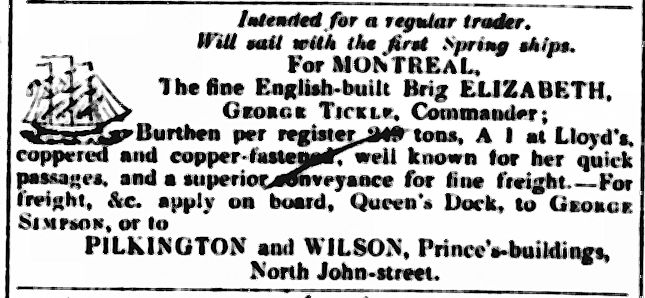
Having completed the return trip to Montreal, ‘Elizabeth’ was wrecked off Aberdovey, Wales, that October, while heading to Kingston, Jamaica.
By 1 May 1846, Pilkington and Wilson were advertising the American ships ‘Faneuil Hall’, sailing to Boston, and ‘Brilliant’, sailing to New York, and then, by 14 May, the American ship ‘Amazon’ to Boston.
In September 1848, H.T. Wilson married Annie Chambers, eldest daughter of Isaac Chambers, formerly a flour dealer and corn broker, now retired to Cumberland, but ready to invest in shipping.
His son James Chambers, Anne’s brother, would shortly become a shipping broker himself, and later married H.T. Wilson’s sister, Jane Guy Wilson.
In August 1849, Pilkington and Wilson began to advertise ‘The White Star Line of Boston Packets’. This was in direct response to a competitor calling its service the ‘Black Star Line of Packets’.
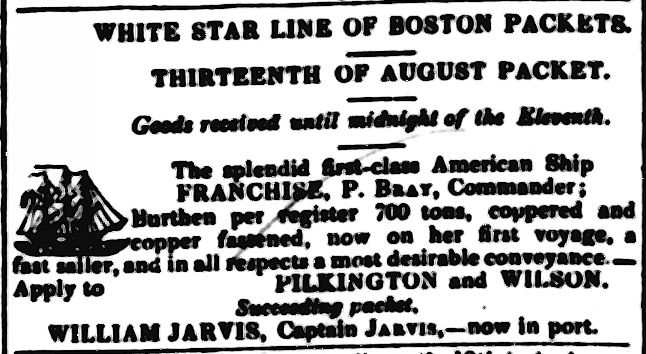
‘The White Star Line’ was soon extended to ships sailing for Charleston, New York and New Orleans.
By the time of the 1851 Census, H.T Wilson and Annie were living in Grove Road, West Derby, Liverpool. He was 26, she 24, and they had a nine month old daughter, Dora Annie.
They already employed a nurse, a housemaid and a cook, indicating that the ship-broking business was proving extremely remunerative.

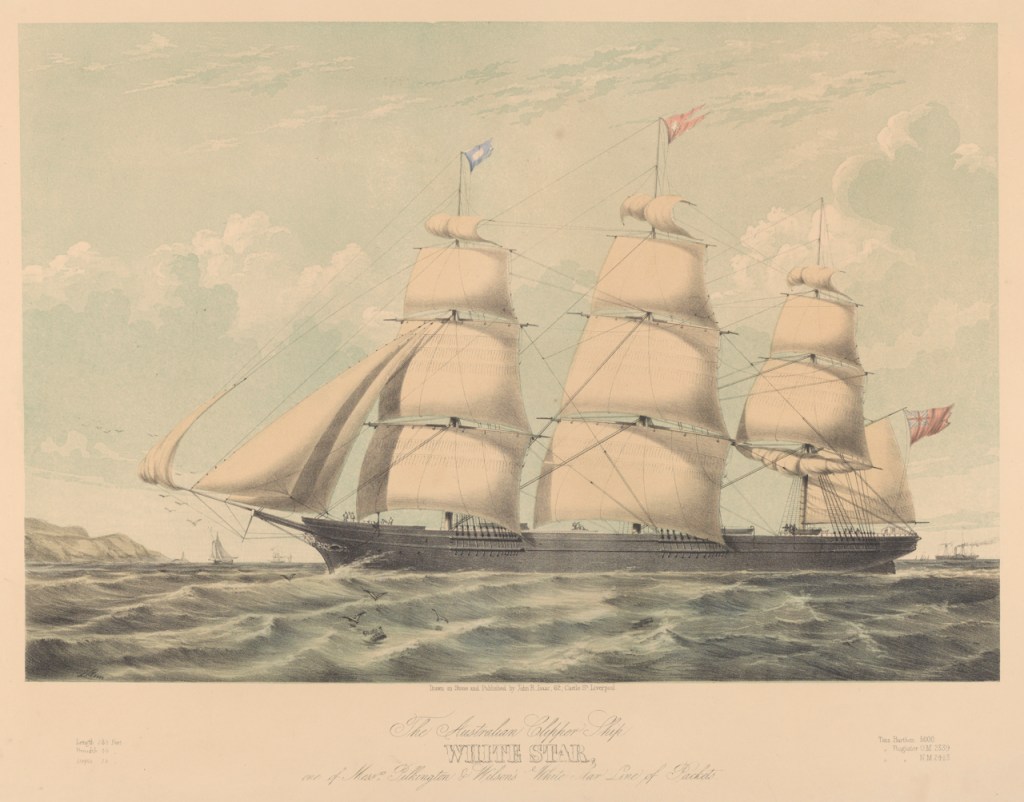
By 1852, Pilkington and Wilson were advertising ‘The Liverpool “White Star” Line of Australian Packets’, sailing to Adelaide, Geelong, Melbourne, Port Philip and Sydney.
This advertisement appeared in the Illustrated London News:
‘White Star Line “Ben Nevis” 3000 tons; cabin passage, £25 to sail on or about 10 September. This beautiful clipper ship, new on her first voyage, and built expressly for this trade, offers to respectable parties an opportunity of proceeding to Australia as cabin passengers at the rate of £25 each. They will be provided with a good breakfast, dinner, and tea, in the main cabin, stewards being appointed for their especial use; and every convenience will be found for ladies. The sleeping cabins will be fitted up with every attention to comfort, and an experienced surgeon proceeds in the ship. Parties intending to take their passage by the “Ben Nevis” should make early applications, in order to have their private cabins secured.’
Both Isaac and James Chambers were amongst the investors who held significant shares in the White Star Line’s ships.
Articles began to appear in the newspapers advertising the quality and speed of the White Star Line service. Increasingly, the different companies began to compete over whose ships were the fastest.
The speediest ships of the day could complete the passage across the Atlantic in around 13 days, and reach Australia in around 70 days.
At ttheir fastest, they could cover about 400 miles in 24 hours.
In May 1855, Pilkington and Wilson entered into a contract with Her Majesty’s Postmaster General, to deliver mail to the post offices in Melbourne, Sydney and Adelaide, and return with mail to the post office in Liverpool.
Under the terms of the contract, they were to complete the passage to Melbourne within 68 days, paying a penalty of £30 per day for each additional day. For the return journey, they were permitted 68 days via the Cape of Good Hope and 70 days via Cape Horn.
In return they received a sum equivalent to half the British postage paid on the mail they transported, plus a halfpenny for every newspaper.
At the end of 1856, John Pilkington retired from the firm to run his own company and James Chambers combined his company with Wilson’s under the name ‘Wilson and Chambers’. Their first service was advertised on 1 January 1857.
One of the ships travelling from Liverpool to Australia was called the ‘Annie Wilson’, 1,119 tons, after H.T.Wilson’s wife. In December 1859 she arrived in Port Jackson, New South Wales after a passage of 101 days, having struck an iceberg on the journey.
She had set out with 405 Government emigrants, though there were six births and 14 deaths upon the voyage, all but two of the deaths amongst children aged under 7. Measles had broken out aboard.
By 1861, the Wilsons were living in Rose Edgar Villa, Wellington Road, Wavertree, Liverpool. There were now five children, aged between 2 and 10, a visiting curate and four servants.
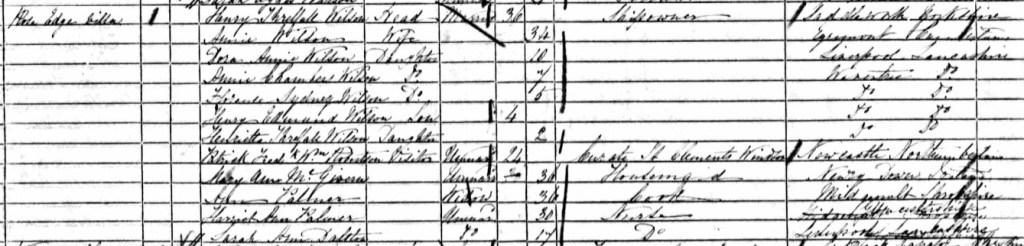
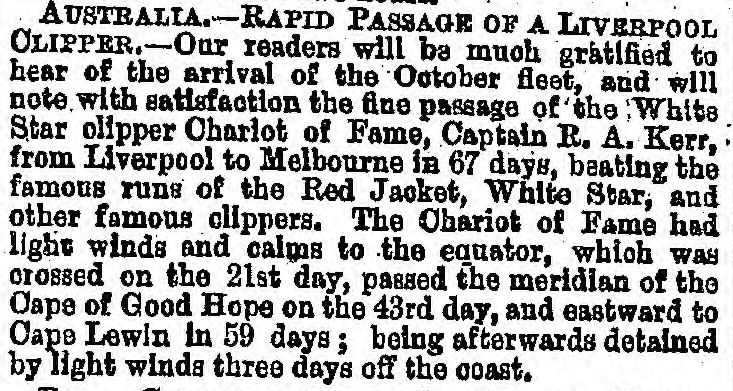
To stay competitive during the 1860s, speed of passage became ever more critical. In 1862, the White Star ship ‘Chariot of Fame’ made it to Melbourne in 67 days.
But competitor companies were soon matching White Star’s best. In 1865, the SS Great Britain made the passage from Melbourne to Liverpool in 65 days and, by 1867, the Black Ball Line was celebrating Lightning, which completed the same journey in 63 days.
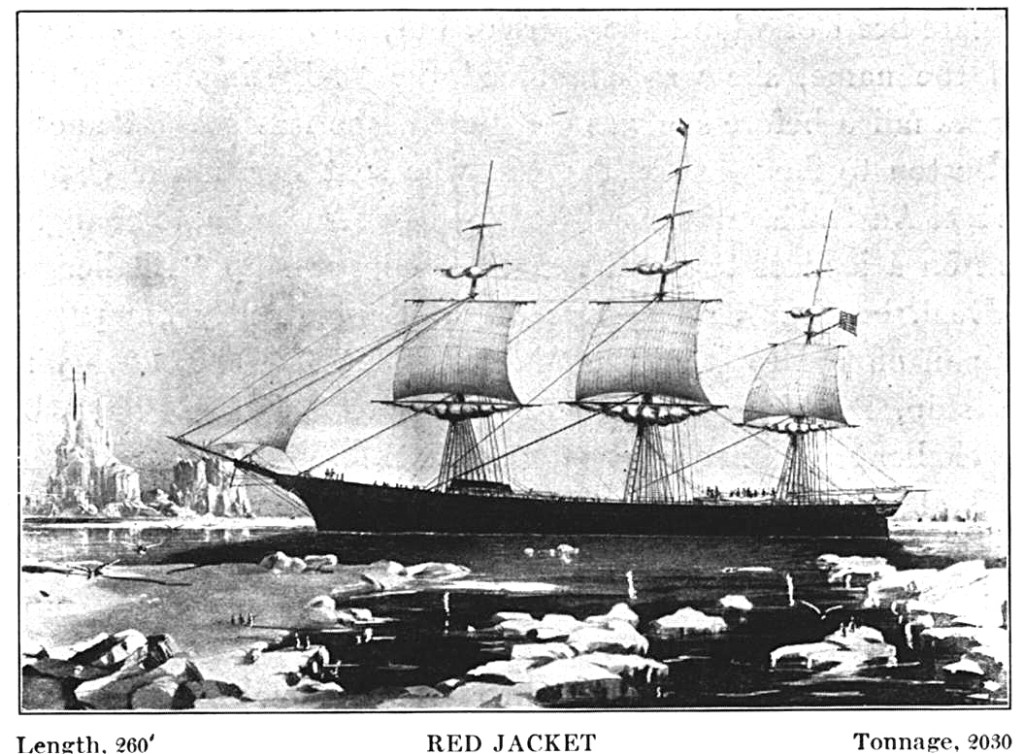
The need for ever larger, ever faster ships, demanded additional funds. Wilson and Chambers began to take out mortgages with the Royal Bank of Liverpool.
These were so extensive that Chambers, alarmed, left the partnership at the end of 1865. He was speedily appointed to the Board of Directors of the Lancaster Shipowners’ Company Ltd., on which H.T Wilson also sat.
Meanwhile, Wilson formed a third partnership, this time with John Cunningham.
That year, Wilson was appointed a magistrate for the County of Westmoreland, but there were already rumours that he was implicated in electoral bribery in Lancaster during the 1865 General Election.
In September he was named a magistrate for Liverpool. But, at almost exactly the same time, he was identified in the proceedings of the Commission appointed to investigate the alleged electoral bribery.
In February 1867, the Commission presented its findings:
‘On the Conservative side, the guilt of originating a corrupt expenditure rests upon Mr H. T. Wilson. He knew what a Lancaster election was, and had sent gold from Liverpool to aid in a former contest. We do not doubt that, when he undertook the conduct of the election, he was aware that it would be a corrupt one, and was prepared from the first to bribe, and for that purpose furnished the funds to Wilson Barker, in whose accounts every item, except perhaps the ‘£400 per T.E. Taylor,’ is clearly traced to his intervention. Moreover, as we have before said, he arranged to bring over from Liverpool those gentlemen whom we have called paymasters, and he assigned to each his part. In short, he took the direction of the illegal part of the election, and for the consequences he is in the first degree responsible.’
In October 1867, the Royal Bank of Liverpool collapsed.
When a report into the failure was published a year later, it stated that Wilson had approached the Bank in May 1866, stating that he could no longer make the necessary payments against his various mortgages.
Amazingly, a deed was drawn up that committed Wilson’s company to pay all the money it earned into an account with the Bank and, similarly, to make all withdrawals in respect of debts and liabilities from the same account.
In this way, the Bank would effectively guarantee the continuation of the business, advancing funds when needed and honouring all the Company’s cheques.
In addition:
‘Mr H T Wilson was to receive for his personal use £2,000 a year, besides retaining his fees as director of several companies…The policies of life assurance to the extent of £10,000…were to be settled by Mr H T Wilson for the benefit of his wife and children, and the premiums on those policies (amounting to about £700 a year) were to be paid by the bank out of the proceeds of the business.’
By the end of 1867, it was calculated that Wilson and Cunningham owed the Bank £527,000 and, on 18 January 1868, Wilson’s partnership with Cunningham was dissolved and the White Star Line went bankrupt.
Wilson sold the White Star flag and goodwill to Thomas Ismay for £1,000 .
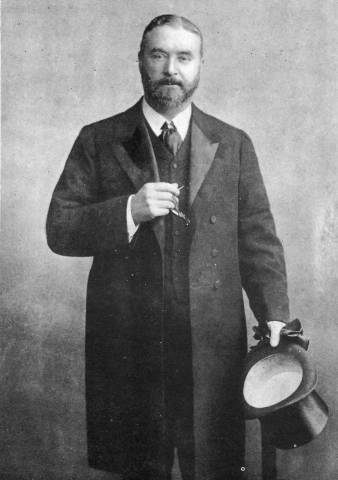
Following the bankruptcy, James Chambers employed H.T. Wilson as Manager of the Lancaster Shipowners’ Company Ltd.
But, at the Fourth Annual Meeting on 28 July 1869, the Chairman’s Report included this statement:
‘It was with feelings of sorrow he had to tell them that their excellent manager, Mr H.T. Wilson, had informed the directors that the state of his health required that he should reside in the neighbourhood of London, and had requested the board to permit him to make the change of residence. The directors had consented, for they felt that the change would not in the least interfere with the well-being of the company, as Mr Wilson could attend to its interests in London just as well as in Liverpool.’
On 20 October, Wilson’s collection of ‘Exotic, Orchidaceous and other Stove PLANTS, CAMELLIAS, AZALEAS and general Conservatory and Greenhouse Plants’ was put up for sale, the advertisement stating that he was moving south.
So it is likely that he arrived with his family at ‘The Cranes’ between August and October 1869. As far as I can establish, neither he nor his family had any connections in the area. They were almost certainly renting the property from C.F.Jemmett.
Henry Threlfall Wilson died at ‘The Cranes’ on 1 November 1869. He was 44 and had been suffering from liver cancer.

His estate amounted to some £16,000.
After his death, the Lancaster Shipowners decided not to replace him, indicating that they had saved £1,050 per annum as a consequence, so it is evident that, while employed as their manager, his income had fallen dramatically.
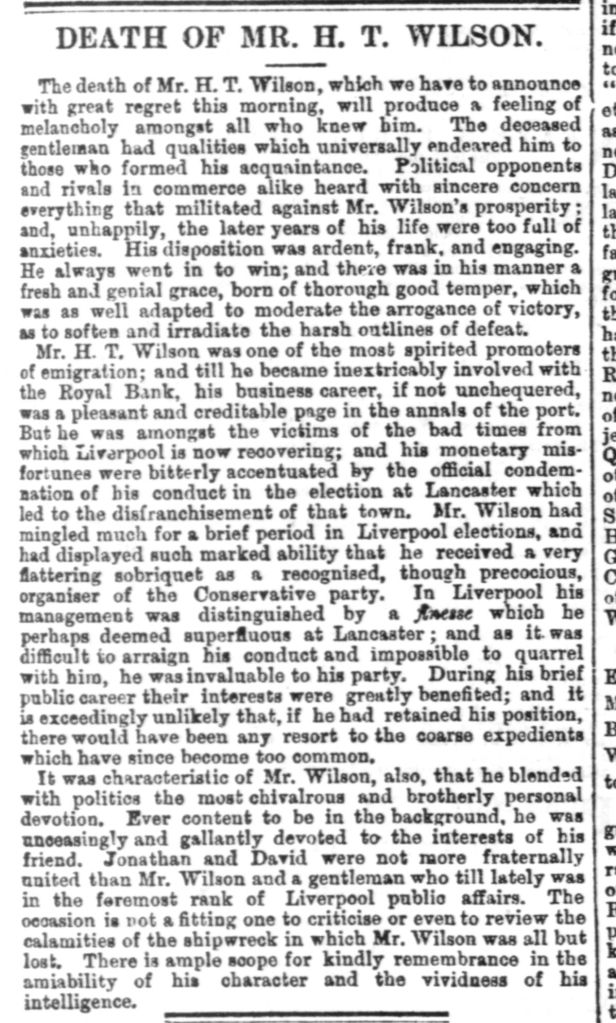
The Liverpool Daily Post offered this rather touching picture of the man and his contribution:
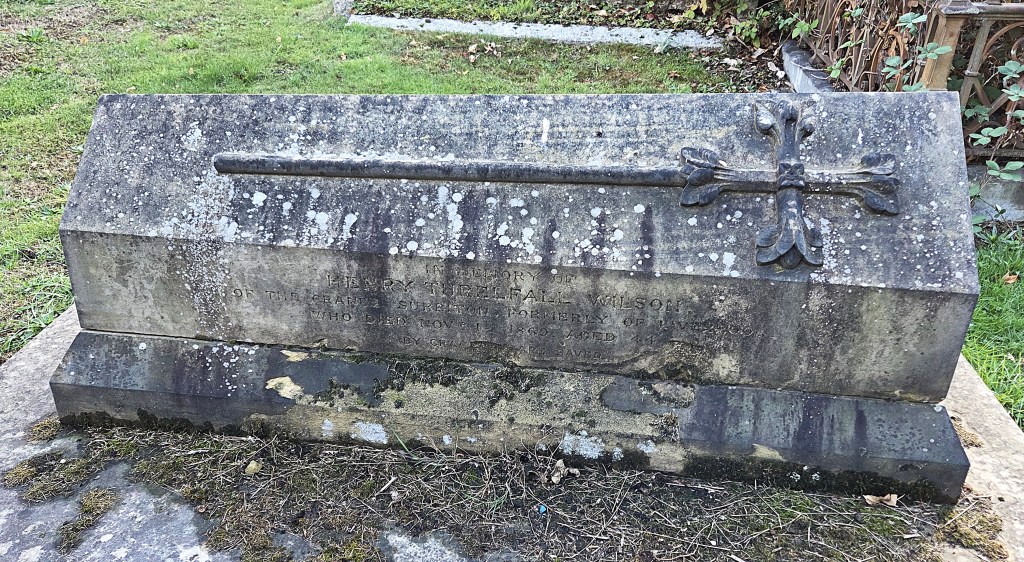
Henry Threlfall Wilson was buried in Kingston Cemetery and, unlike his predecessor, C.E.Jemmett, his grave remains in good condition.
The Wilsons at ‘The Cranes’
The family decided to remain at ‘The Cranes’.
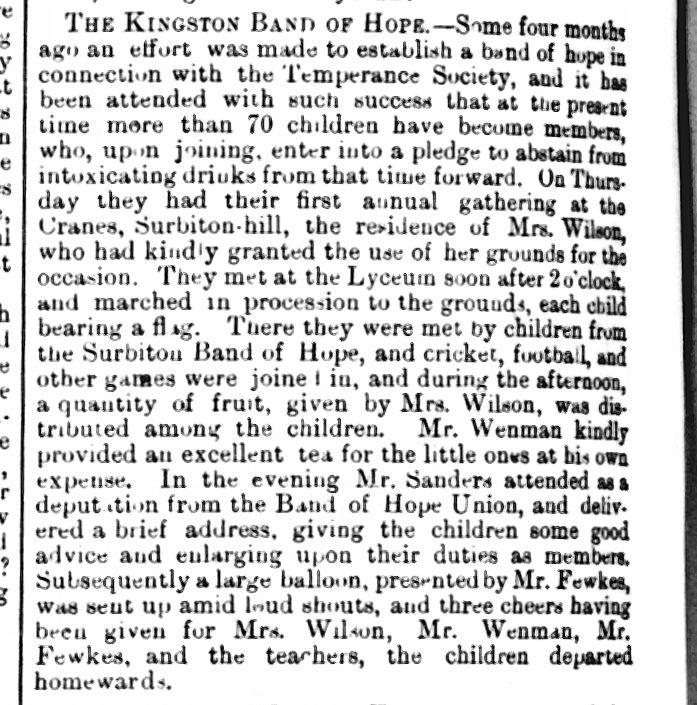
In August 1870, the local papers reported that Ann Wilson offered the grounds for the first annual gathering of children from the Kingston Band of Hope, a local temperance society. They joined with child members of the Surbiton Band of Hope for games and tea.
The 1871 Census gives the address as ‘Surbiton Hill Road’.
Anne Wilson, aged 44, was described as an ‘Annuitant’. The children were: Dora Annie Wilson (20), Annie Chambers Wilson (17), Florence Sydney Wilson (15), Henrietta Threlfall Wilson (12) and Harold Lancaster Wilson (7).
An elder son, Henry Edmund Wilson (14) was away at Giggleswick School. He was later captain of its rugby team and also played cricket for the School.
A niece, Alice Chambers (7), one of James Chambers’s daughters, was also resident, as were a governess and five servants.
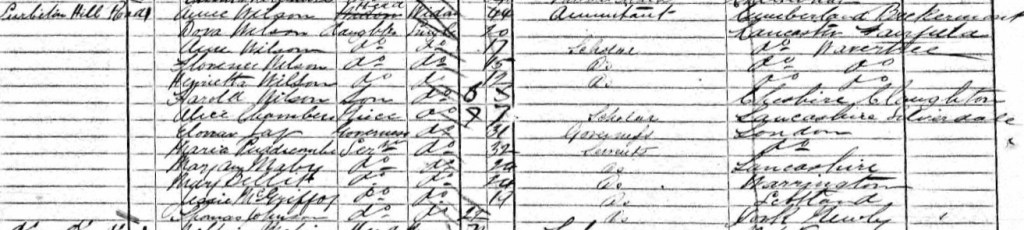
The Lodge, adjacent, was occupied by a cook and a parlour maid.
That June, Ann Wilson hosted a ‘Grand Fancy Bazaar’ on behalf of the United Kingdom Beneficent Association. The Association’s purpose was to grant:
‘…annuities up to £25 to persons of the upper and middle classes who are in reduced circumstances, who are above 40 years of age, and who are unable from bodily infirmities to earn their own livelihood, and for affording temporary help to such as are in urgent distress.’
It had been established in 1863 and had thus far elected 83 annuitants. There is some likelihood that Mrs Wilson was amongst them.
The report of the two day bazaar contained in the Surrey Advertiser is comprehensive. Here are some highlights…
‘’’The Cranes” is a beautifully situate [sic] residence in its own grounds, on the most elevated spot around Kingston.
At the entrance to the grounds the gates were decorated with flags, and along the carriage drive until we reached the spacious and splendid marquee in which the bazaar was held, there was a considerable and a tasteful display of bunting.
The marquee, which was 120 by 50 feet, and entirely new…certainly was, perhaps, the most handsome marquee we have ever seen…gracefully decorated with flags and banners pendant from the roof, and when the fancy articles, paintings, drawings, and flowers were arranged on every stall, when the company had gathered, and the ladies presiding over the stalls had begun to exercise their witchery, and music lent its charm, the scene was a very dazzling and interesting, as well as a very beautiful one…
Just outside the large marquee was a smaller one, devoted to Flora and presided over by Mrs Wilson and the Misses Wilson. The flowers were principally arranged in bouquets, readily sold, and were brought, we believe, from Mrs Wilson’s own gardens…
The company began to arrive at “The Cranes” about 1 o’clock, and as the weather than looked propitious, the bazaar promised, in point of attendance, to be a great success. Early in the afternoon, however, a heavy rain set in and, while it may have beneficially (in the interests of the bazaar) delayed those in the marquee, it no doubt deterred many from venturing out.’
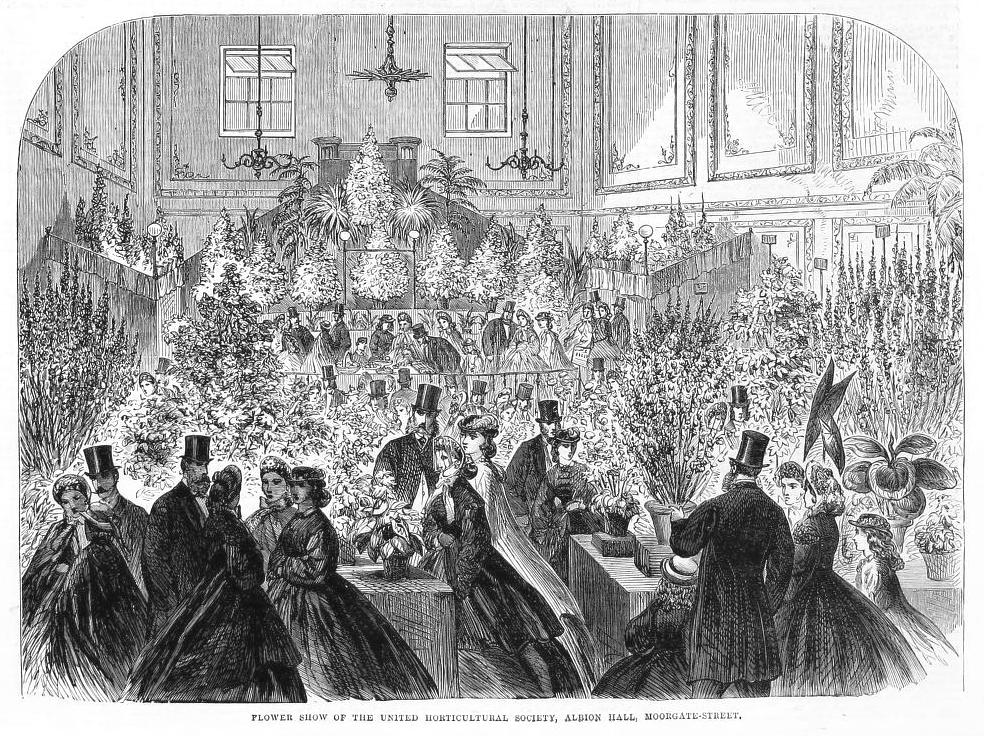
In 1874, the Kingston and Surbiton Royal Horticultural Society held their tenth annual show at ‘The Cranes’ on June 25 and 26. The report in the Surrey Advertiser considered it the finest the Society had ever held.
A military band ‘The Carabineers’ performed on the first day, and Surbiton Hill Workmen’s Band on the second.
But, according to the Surrey Comet, the weather was showery on the first day and persistent on the second, meaning that few members of the public attended – only £27 was taken at the gate over both days.
‘The Cranes’ changes hands
There is evidence to suggest that C.F.Jemmett sold ‘The Cranes’ in 1874.
A decade or so later, in September 1887, Alderman Frederick Gould was quoted in a newspaper report, discussing the decline in land values:
‘In 1858 an offer of £36,000 was made privately for the Cranes Estate at Surbiton, and was refused, as it was thought land would greatly increase in value, and it certainly is as fine a piece of building land as any we have in the parish, having a beautiful situation and being surrounded by roads.
In 1874 it was sold by auction for £24,000, or two-thirds of its former value. Yet that was to grow into valuable building land…It was put up to auction again a year or two ago, and the highest offer for it was £15,000…’
When the Estate was advertised for sale in 1885, the advertisements began by indicating the sale was being effected by ‘the Trustees and Executors of the late Edward Grove’.
Grove was a self-made man, whose small Lambeth tailoring business, established in 1829, developed into two large shops, one in Lower Marsh, the other on the Edgware Road.
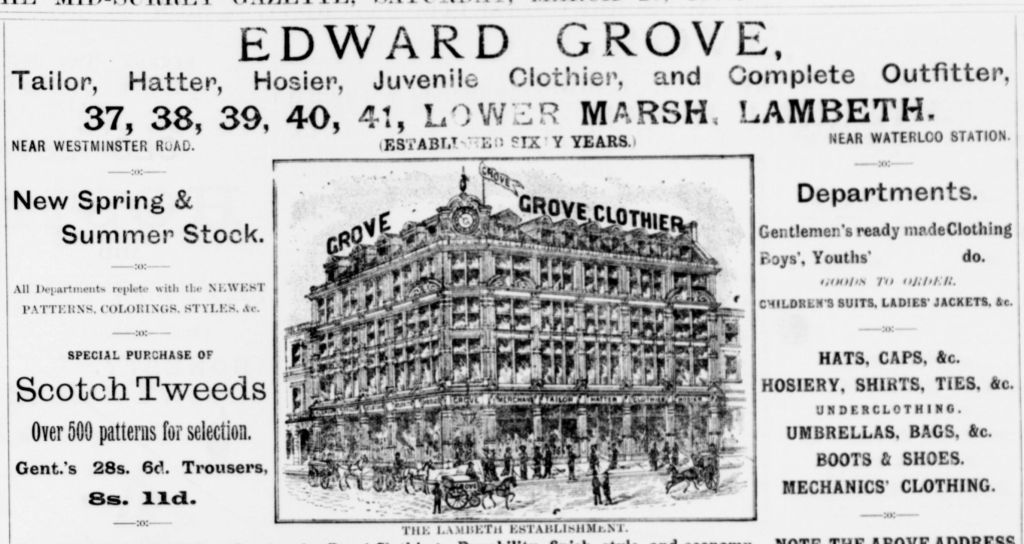
In 1864, he purchased Garrick’s Villa at Hampton (once the residence of actor David Garrick, who bought it in 1754) for £10,800, and lived there until he died in November 1875.
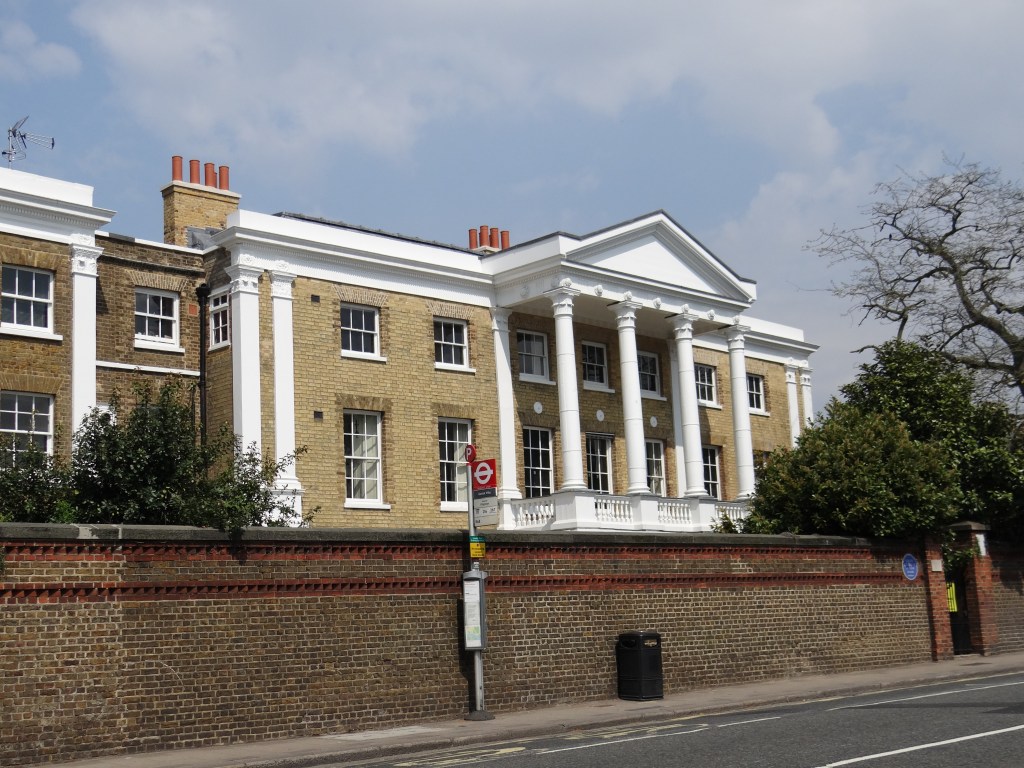
But, if Grove was ‘The Cranes’ new owner, he was soon trying to dispose of the property.
In the spring of 1875, newspapers advertised that ‘The Cranes’ would be sold by auction on Wednesday 12 May at the Mart, Tokenhouse Yard, EC1:
‘A highly valuable Freehold Building and Residential Estate, free from land tax, known as The Cranes, consisting of upwards of 50 acres of rich park-like pasture land in a ring fence, ornamentally timbered and bounded by good roads, occupying high ground on the slope of Surbiton-hill, possessing great facilities for first class building purposes, and commanding distant and pleasing views….in the midst of the property there is a moderate-sized family residence, well appointed and in excellent condition, surrounded by gardens and pleasure grounds, screened by plantations of well-grown shrubs and evergreens, approached by a carriage road, with a good modern entrance lodge. Early possession of the whole Estate (except the residence, which is let until 1879) may be had.’
This indicates that the Wilson’s had rented The Cranes, probably on a ten-year lease.
Particulars were to be obtained from our old friend George Rastrick, solicitor, C.F Jemmett’s maternal uncle.
On 15 May, the advertisement appeared again, indicating that the auction was delayed until the summer. I can find no evidence that it went ahead.
For, from March 1876, after Edward Grove had died, an auction was once again advertised, this time scheduled for 26 May.
This advertisement appeared in the Surrey Advertiser of 15 April 1876:
‘A valuable and important Freehold Residential and Building Estate, land tax redeemed, distinguished as The Cranes, situate within a few minutes walk of the Surbiton Station on the London and South Western Railway (main line), and about a mile from the new Kingston and Norbiton Stations on the Wimbledon and Twickenham branch of the same railway, with constant and quick service to and from the City and West-end.
The neighbourhood abounds in lovely and attractive walks and drives, being contiguous to the River Thames, the Home-park, Hampton Court, with its Palace, Richmond-park and Bushy-park.
It comprises a moderate-sized family residence, in excellent order throughout, seated on high ground, commanding extensive and picturesque views over Kingston, Richmond-park, Wimbledon, and the neighbourhood, with coach-house and stabling, conservatory, greenhouse, and outbuildings, surrounded by pleasure grounds and gardens, laid out with great taste in lawns, flower beds and plantations of choice shrubs, evergreens and specimen trees of deodara, araucaria, and a large variety of the conifer tribe; approached by a carriage drive through richly undulating and park-like meadowland, ornamentally timbered, and good modern entrance lodge.
Also a dwelling house, with garden, the whole comprising upwards of 50 acres, and offering, from its extent and compactness, unusual advantages for development into a first-class building estate. The property has extensive frontages to good roads, and by the judicious formation of new intersecting roads the building capabilities would thus be more fully developed, and yield a considerable profit to an enterprising capitalist or building society.
The residence, pleasure grounds, and entrance lodge, containing together about five acres, are let till 1879, but possession of the remainder can be had on completion of the purchase.’
This time there was a different auctioneer, Messrs Norton, Trist, Watney & Co. But, once again, the auction was unsuccessful.
The Wilsons were residing at The Cranes during the 1877 edition of the Kingston and Surbiton Royal Horticultural Society exhibition and, that year, Mrs Wilson was named one of the Lady Patronesses of the Kingston and Surbiton Chrysanthemum Society.
It seems likely that they remained until the end of their lease in 1879.
Annie Wilson’s final years
In October 1880, Annie’s second daughter, Annie Chambers Wilson, married John Tweedie Lewtas, then a Surgeon with the Queen’s Own Corps of Guides, Murdan, Punjab. She was 26. He was 28, the son of Thomas Lewtas, also a physician, and Margaret, née Tweedie.
Lewtas had been admitted to the Royal College of Surgeons in 1873, having studied at both Edinburgh and Liverpool.
His first appointment was House Surgeon in the Lock Wards at London’s Seaman’s Hospital. He applied to be House Surgeon at Liverpool’s Lock Hospital and Lunatic Asylum, but lost out to another candidate. Shortly afterwards, he was appointed as a surgeon in the Indian Medical Service.
The wedding took place in All Saints Church, Kingston, with siblings Dora and Henry Edmund acting as witnesses.
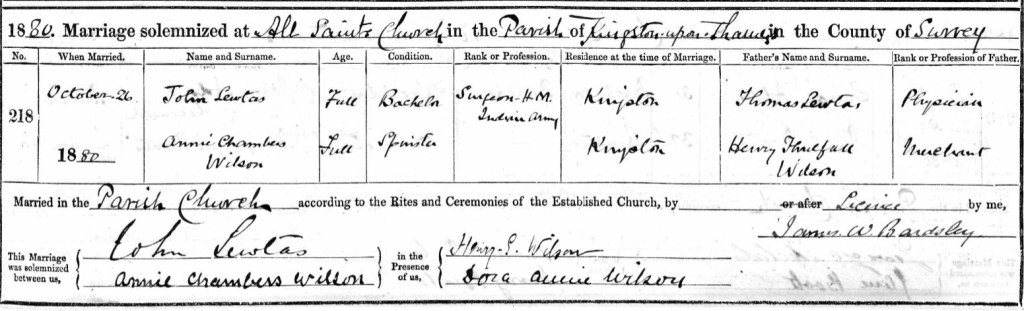
The couple presumably returned to India shortly afterwards.
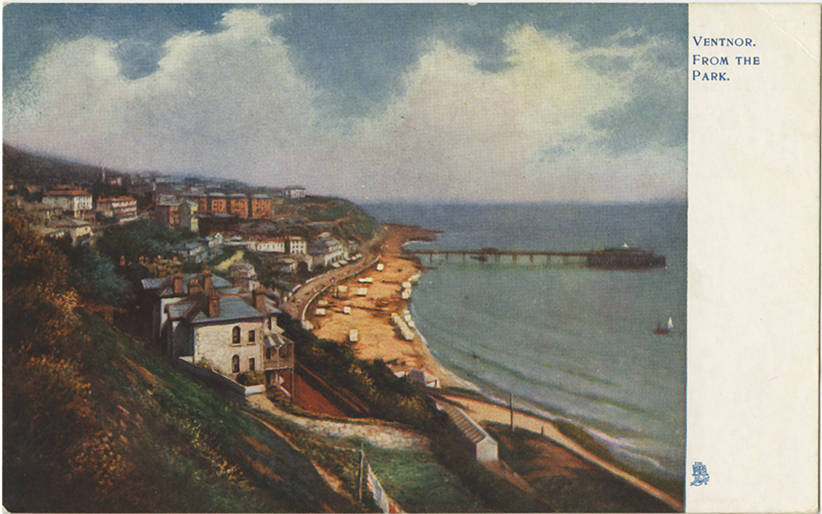
By the time of the 1881 Census, Annie Wilson was lodging at Gilmerton House in Ventnor, Isle of Wight, accompanied by her daughters Florence (26) and Henrietta (22).

The apartments at Gilmerton House were occasionally advertised for rent. In November 1879, one such advertisement referred, rather confusingly, to:
‘Four suites of Rooms. Each suite contains one sitting [and] three bedrooms. Two suites, one sitting [and] one large bedroom in each. The rooms are large and lofty. Four rooms two guineas per week with attendance. Two rooms 1 guinea. The house is due south, well sheltered from north and east winds. Apply to R Pearson, Gilmerton House.’
It would seem likely that Annie, Florence and Henrietta had taken one of the three- bedroomed suites at a cost of two guineas per week.
Meanwhile, Annie’s eldest daughter, Dora (31) and eldest son, Henry Edmund (24) were living together at Carrick House on Surbiton Road, along with three maids. Henry was employed as a merchant trading with East India.

Annie’s youngest son, Harold Lancaster Wilson was still attending Repton School
In April 1885, Henrietta Threlfall Wilson married William Milford Norsworthy, a South African born chartered accountant. He was the son of William Pain Weston Norsworthy, originally a barrister but later a brewer and wine merchant, and Frances Mary, née Milford.
Henrietta must have met Norsworthy while he was lodging in Surbiton – the 1881 Census places him at Victoria Terrace in the town.
However, the wedding took place in Ventnor, Isle of Wight, strongly suggesting that she, her mother and Florence were still resident there in 1885.
In June 1886, Dora Annie Wilson married Karl Rudolf Hermann Wiehen. She was 36. He was 38, the German-born son of a clergyman, now naturalised and most probably a business associate of Dora’s elder brother.
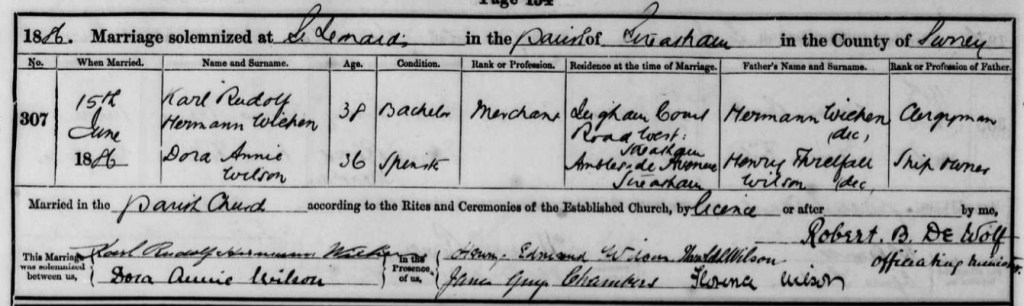
Wiehen’s naturalisation certificate, dated 1877, gave his address as 10, Paragon Place, Surbiton.
The 1881 Census recorded him, aged 33, lodging at 12 Paragon Grove, Surbiton. He was the only lodger and his lodging house keeper was female, 38 and unmarried.
His employment at that time was ‘dry goods merchant’ and his business address 47 Mark Lane, near Fenchurch Street, London.
By the time of their marriage they were both living in Streatham, her address given as ‘Ambleside Avenue’.
She was most probably staying at a house called ‘Limatburg’, with her mother and her unmarried sister. Limatburg was at 34 Ambleside Avenue.
Henry Edmund Wilson married in September 1886. His wife was Annie Whitburn, daughter of the captain of a merchant ship. He was 29; she was 21.
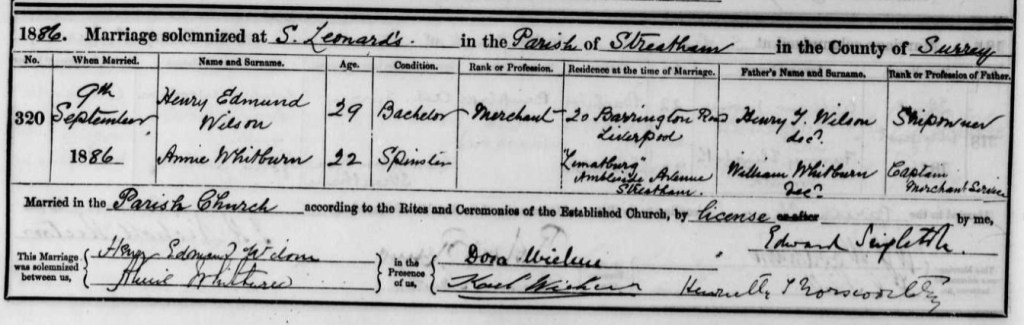
This marriage also took place in Streatham, London. While Annie Whitburn’s address was explicitly given as ‘Limatburg’, Henry’s address was now back in Liverpool, though he was still employed as a merchant.
When Annie Wilson died on 4 October 1886, aged 59, she was also resident at ‘Limatburg’.
‘Limatburg’ has an interesting history.
It was newly built, for John Rudolf Meihé, a naturalised German-born engineer and contractor born in 1853. He had married Fanny Willson, daughter of a London art dealer, in 1875, and they had two daughters, Dorothy Meihé, born in 1876, and Winifrede Meihé born in 1878.
The family had moved in to the house in 1883 but, on Boxing Day 1885, Meihé was killed during a business trip, in Lucerne, Switzerland.
It seems that, shortly after his death, Annie Wilson, her daughters Dora and Florence and (for a while at least) their future sister-in-law Annie Whitburn, were all resident at ‘Limatburg’, and that Annie and Florence remained there until Annie’s death.
One assumes that Fanny Meihé had rented all or part of the house to the Wilsons. They might have been introduced by Dora’s future husband, Karl Wiehen, who was also a naturalised German and may have known John Rudolf Meihé.
Neither Fanny nor her daughters were resident at ‘Limatburg’ at the time of the 1891 or 1901 censuses, though Fanny had returned by the time of the 1911 Census.
Fanny Meihé, her sister Alice Ellen Willson and her daughter Dorothy Meihé were all members of the Women’s Social and Political Union (WSPU). From 1908, several Streatham area WSPU meetings were held in their house.
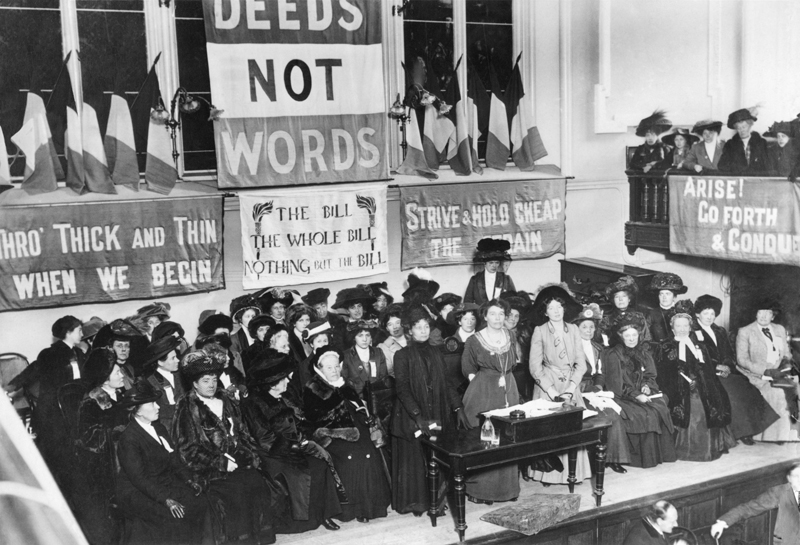
Winifrede Meihé was a miniaturist who exhibited a piece called ‘Ranulph’ at the 1900 Royal Academy Exhibition.
‘Limatburg’ was next door to 32 Ambleside Avenue, which became notorious in December 1978, when police raided a sex party hosted by Cynthia Paine, whose home it was.
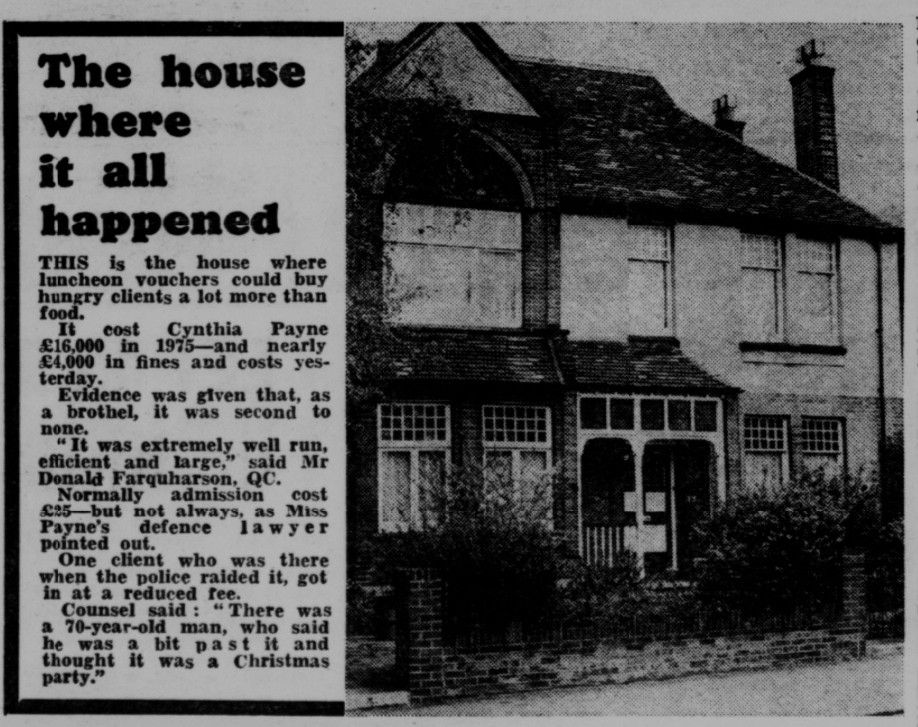
They found 53 men in various stages of undress, including a peer, a Member of Parliament, a handful of solicitors and several vicars. The house was raided again in 1986.
Annie Wilson was buried in Kingston Cemetery, alongside her late husband. She left an estate worth just over £2,000. Henry was her executor and, by the time probate was granted in January 1887, he was employed as a paint manufacturer.
Their Children and Grandchildren
Dora and Karl Wiehen moved to a house called Thornleigh in Rydal Road, Streatham. They had two sons: Karl Rudolph Wiehen (born 1888) and Guy Lancaster Wiehen (born 1892). Both went to Streatham High School for Boys.
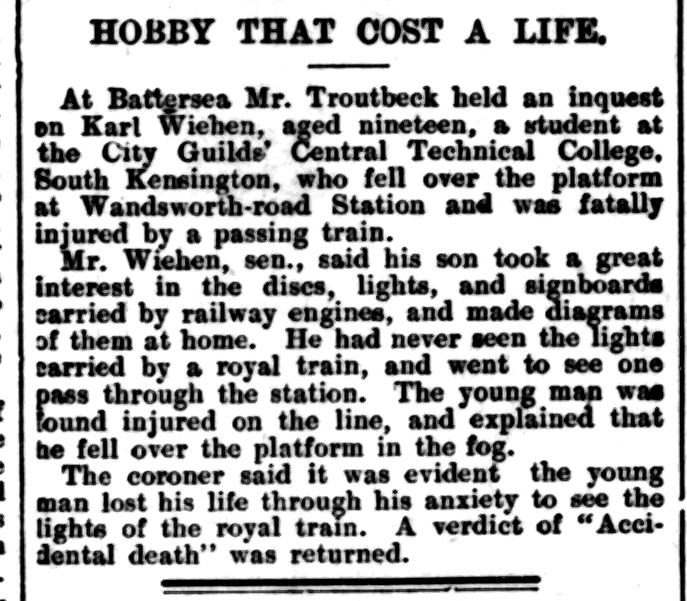
Karl Rudolph went on to the City and Guilds Central Technical College, South Kensington (an early specialist engineering college and a precursor of Imperial).
He was killed in 1907, aged 19, when he fell off the platform at Wandsworth Road Station, while trying to get a better view of the lights on a passing royal train.
Guy attended Kings College, London, graduating with a BA. He became a teacher in the West Indies, marrying Frances Sarah Cundall, daughter of Frank Cundall, the Secretary and Librarian to the Institute of Jamaica.
Dora died in 1924, three years after her husband. Guy died in 1958.
Annie and John Lewtas seem to have spent much of their lives in Bengal, Kashmir and the Punjab.
In 1887, John Lewtas was promoted to Surgeon-Major with the Bengal Medical Establishment. A daughter, Florence Margaret Joan Lewtas, was born in Marylebone, London the following year.
In 1890, Lewtas was appointed to be Joint Medical Officer of Simla, where a son, Frederick George Lewtas was born that December.
By 1896, Lewtas was a Surgeon Lieutenant-Colonel and placed in medical charge at a new General Hospital at Chittagong.
By 1899 he was civil surgeon in Darjeeling and by 1901, Professor of Opthalmic Surgery and Opthalmic Surgeon in the Medical College, Calcutta. He retired in 1905.
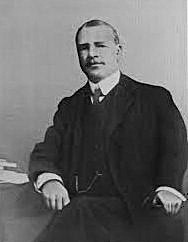
In October 1906, Florence Lewtas died, aged only 18 after acute appendicitis. Her father was present at her death (and might even have operated on her).

The surviving family members set up house at 15 Cheyne Place in Chelsea.
Frederick Lewtas seems to have been a University of London medical student at the outbreak of the First World War.
In October 1914 he was taken by the Navy as a temporary surgeon practitioner but must have been released since, by June 1915, he had applied to join the Royal Fusiliers.
The medical officer judged him a ‘morphinomaniac’ both of whose arms were covered in syringe marks up to the elbows. He was discharged as medically unfit.
He qualified as a surgeon and physician in 1919, shortly before his father’s death the following year. He took up an appointment at the Royal Berkshire Hospital, before moving on to the Sunderland Hospital, a post from which he speedily resigned.
In June 1922 he married Gertrude Bott, most recently Matron at the Hove Villa Private Mental Hospital.
That November, Frederick pleaded guilty at the Bristol Police Court to unlawfully procuring cocaine, claiming he had been suffering from severe neuralgia.
In 1926, when at the Slade Nursing Home, Bideford, he had his right to prescribe dangerous drugs withdrawn.
In 1930 he was found guilty of being illegally in possession of morphine at Marylebone Police Court. He said he had become addicted to morphine when ill and had spent 10 months in a home being treated for his addiction, but had unfortunately relapsed.
He avoided imprisonment by undertaking to travel to Majorca for another cure with a Dr Gilbert Scott. This seems to have been successful, but Frederick died of coronary thrombosis in June 1939.
After her mother’s death, Florence Sydney Wilson most probably made her home with her elder sister Dora and brother-in-law Karl. She did not marry and died of breast cancer at their address in 1898, aged 41, leaving an estate worth £400. She is buried in Kingston Cemetery with her parents.

Henry Edmund and Annie Wilson, née Whitburn, moved back to Wavertree, Liverpool, where Henry became owner and manager of a paint manufacturing company called H.E.Wilson in Dublin Street, Liverpool.
He continued to invest in ships, including ‘Greystoke Castle’ in 1886 and ‘Aladdin’ in 1894, as well as a variety of other companies. There was a serious fire in 1906, which gutted the paint works, but the company recovered.
He and Annie had two children, a son called Harold Threlfall Wilson, born in 1890, and a daughter called Mavis Clare Wilson, born in 1895.
Henry died in 1928, aged 71, after which Annie became a hotel proprietor.
Harold married Jeanie Adeline Smedley in 1915, became secretary of his father’s paint company, and succeeded him after his death.
He later became a Conservative councillor for Wavertree Ward, heavily defeating a Fascist rival in a 1938 by-election, retaining the seat in 1945 and becoming an alderman in 1953. He died in 1960.
Mavis married Stanley Gilmore Cooper, dying in 1978.
In 1884, William Milford Norsworthy dissolved his accountancy partnership, Murdoch and Norsworthy, and set up on his own.
In 1886 he acted as Liquidator of the Cardigan Slate Quarries Ltd. and the Tilbury Brickfields Company Ltd. He also acted as Auditor to the Wassau (Gold Coast) Mining Company.
In 1888 he was one of the founding subscribers of the Delta Mining Company
In 1890, he registered the ‘Pendragon Castle’ Ship Company Ltd., intended to acquire a ship of that name then being constructed at Workington. His brother-in-law Henry Edmund Wilson and several of the Chambers family were amongst the first subscribers.
By 1891 the Norsworthys were living in Paddington and had three small children. Two further children were born, though the youngest, Mary, died as an infant in 1893, the family having moved to Lelant, Cornwall.
Norsworthy himself died in Lelant in June 1894, aged 37, of tuberculosis. He left only £120.
Henrietta and her four surviving children departed Lelant the following year. Four years later, she married Charles Gerald Eve, a land agent, surveyor and auctioneer.
A second daughter, Dorothy, died in 1901, aged only 13.
Henrietta’s eldest son, Harold Milford Norsworthy attended Malvern College but, owing to illness, left at 16. He was sent to recuperate in St Ives, Cornwall, where he began to take up art.
He studied briefly in Bushey, was influenced by Augustus John amongst others, and began to make his name.
When war was declared, he joined the Public Schools Battalion of the Royal Fusiliers as a private, spent the winter in the trenches and was promoted to sergeant.
In the summer of 1916 he married Ernestine (Ina) Evans and was commissioned in the East Kent Regiment. He was killed in action in France on 18 March 1917, four weeks after returning to the front.
A publication called ‘The Sketch’ described him:
‘…always a little wild; and never, certainly content with the lethargic joys of the Café Royal; but, nevertheless, a thoroughgoing type of artist. Always hatless, with hair falling about his eyes, he made one of the least soldierly figures one could well imagine.’
A memorial exhibition was held in May 1919 at the Chelsea Art Stores Gallery in the Kings Road.
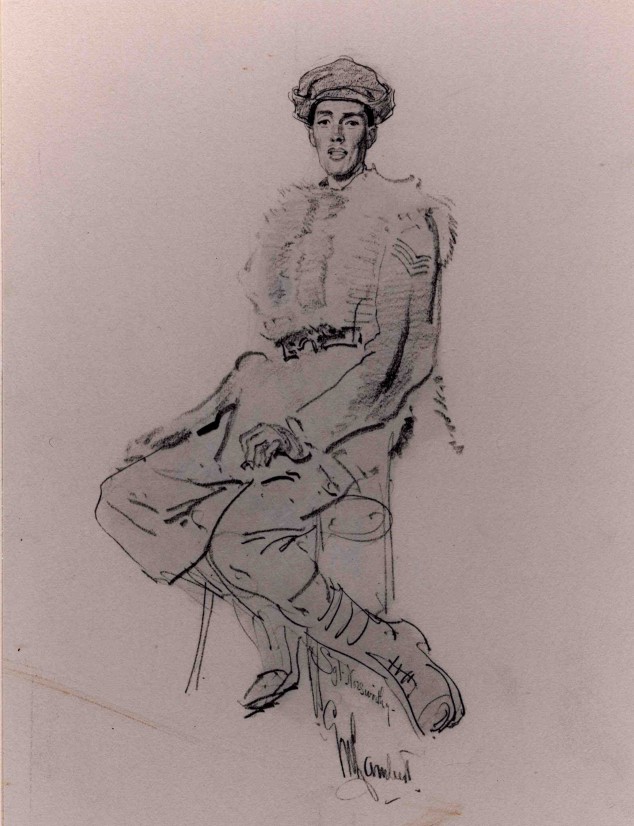
His brother Edwal Norsworthy survived the War, serving as a second lieutenant in the Army Service Corps. In 1917 he married Margaret Mackenzie-Hay. They died in 1934 and 1935 respectively.
Only Marjory Norsworthy outlived her mother, marrying Ernest Gayer, a Lieutenant with the Bengal Nagpur Railway Volunteer Rifle Corps in Bengal, India, in 1911.
This sketch is presumably by her brother.
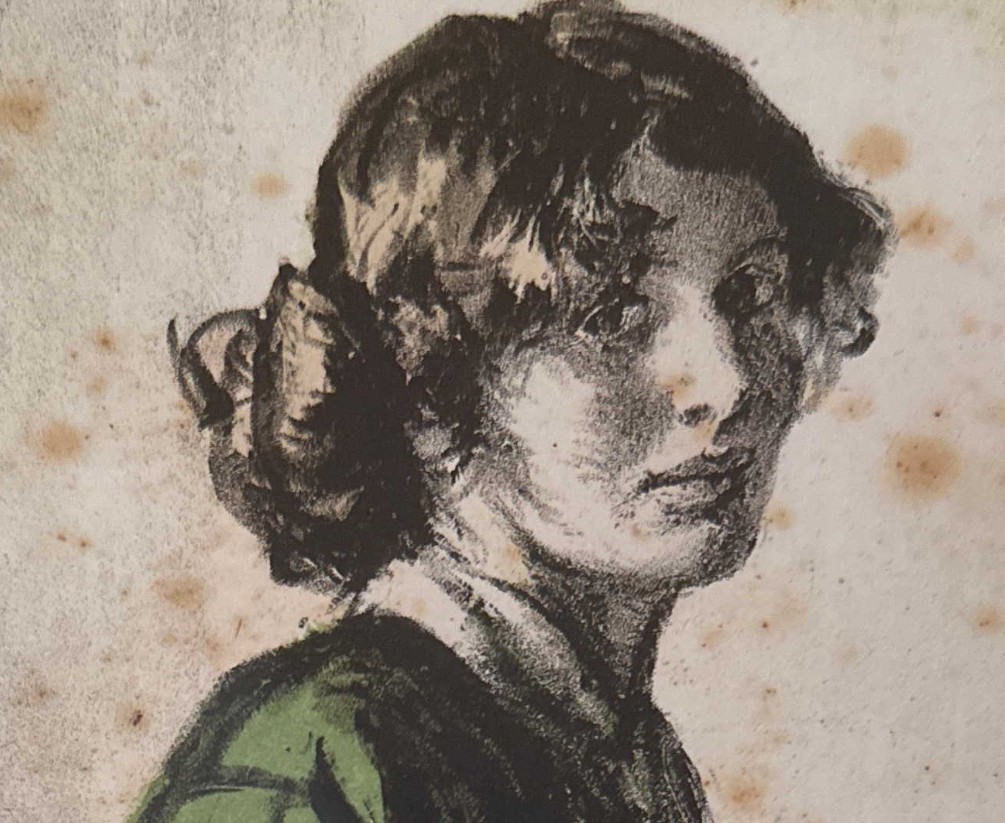
They spent some time in Blantyre, then in Nyasaland, where Marjory gave birth to a son, then returned to England. Ernest died in 1954; Marjory in 1971.
Harold Lancaster Wilson was admitted to Gonville and Caius College, Cambridge on 1 October 1887, achieving a BA in 1890.
He attended Wells Theological College and was ordained at Worcester in 1892, becoming a curate at St Peter’s, Blackburn. He was ordained a priest in Manchester in 1893. He moved briefly to Camborne and, in 1895, to Plympton St Maurice in Devon.
In 1896, aged 30, he married 19 year-old Enid Wilkinson of Hayle, Cornwall. He was briefly at St Catharine’s Liverpool and Abbotsley, St Neots in 1897. In 1900, Enid gave birth to a son, Terence.
The 1901 Census indicates that, by 1901 Harold had become a school teacher, and the family were living in Tavistock, Devon.
By 1908, he was publishing stories in Catholic Home magazine, suggesting that he might have converted to Catholicism, and that this had brought about his change of career.
By 1911, he was assistant head in a Preston boys’ secondary school. and subsequently had several stories published in various newspapers.
He eventually moved back to Wavertree, Liverpool where he died in 1920. Enid survived until 1953.
TD
November 2026





Leave a Reply