
Category: Book reviews
-
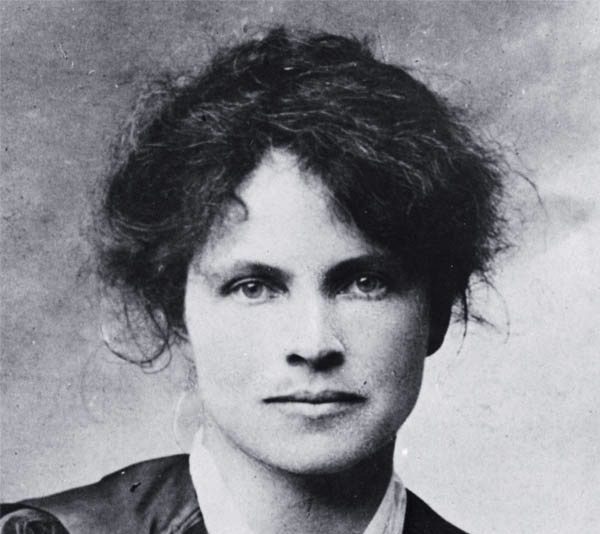
Dorothy Canfield (1879-1958) published ‘Her Son’s Wife’ in 1926. It is set in Gilmanville, a fictional place in small-town America, between 1908 and 1925. The ‘her’ in question is Mary Bascombe, a middle-aged widow. Though a determined, highly capable teacher and mother, she seems incapable of understanding or forgiving weakness in others. Her son, Ralph,…
-
Jean Stafford (1915-1979), though better known as a short story writer, also published three novels. Her second, ‘The Mountain Lion’ appeared in 1947, not long before the collapse of her first, unhappily tempestuous marriage with the poet Robert Lowell (1917-1977). Stafford herself had been born in Covina, California, the youngest of four children, later moving…

-
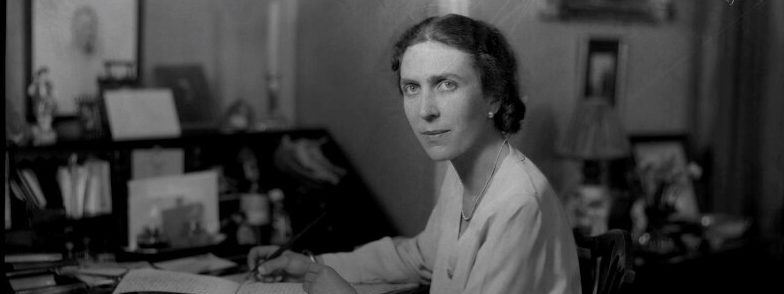
Well, this is a thoroughly nasty little novel, and no mistake! Elizabeth Goudge (1900-1984) published ‘The Bird in the Tree’ in 1940. It is the first part of a trilogy, the companion volumes written in 1948 and 1953 respectively. Goudge was born into a wealthy academic-religious family and never married, living with her mother after…
-
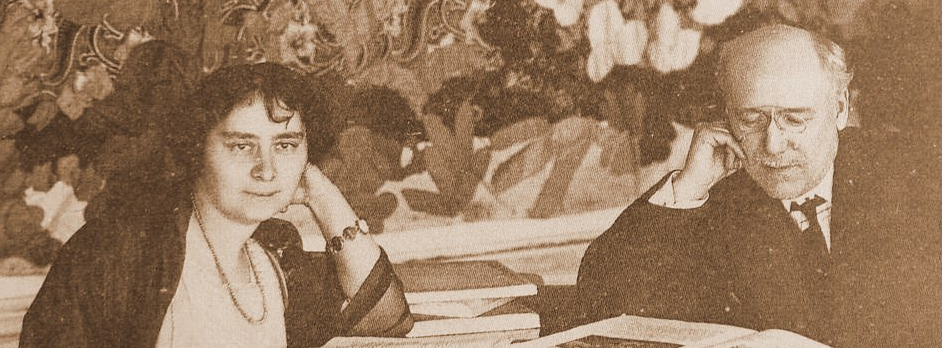
Fyodor Sologub was the pseudonym of F K Teternikov (1863-1927), a poet and novelist, part of the Russian Symbolist movement. Here he is, circa 1910, posing alongside his wife, Anna Chebotarevskaya. He began writing ‘The Petty Demon’ in the 1890s, but couldn’t get it published until 1907. Sologub draws heavily on his own personal experience.…
-
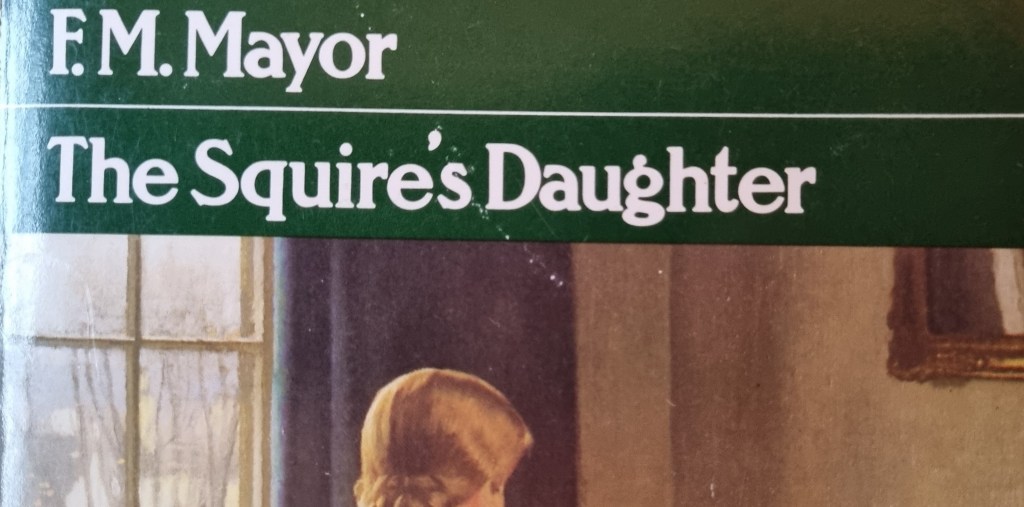
Flora MacDonald Mayor (1872-1932) is best known for ‘The Rector’s Daughter’ (1924), often cited as a neglected masterpiece. ‘The Squire’s Daughter’ (1929) is not quite in that league – is perhaps more of a curate’s egg. It deals with the ‘generation gap’, as it manifested a century ago, between two generations of the De Lacey…
-
Pirandello (1867-1936) published ‘Il Fu Mattia Pascal’ in 1904, three decades before he was awarded the Nobel Prize for Literature. I read the 1964 translation by William Weaver. The novel was written shortly after the Pirandello family were bankrupted, causing his wife’s mental collapse. But it successfully established his literary reputation. As it begins, Mattia…

-
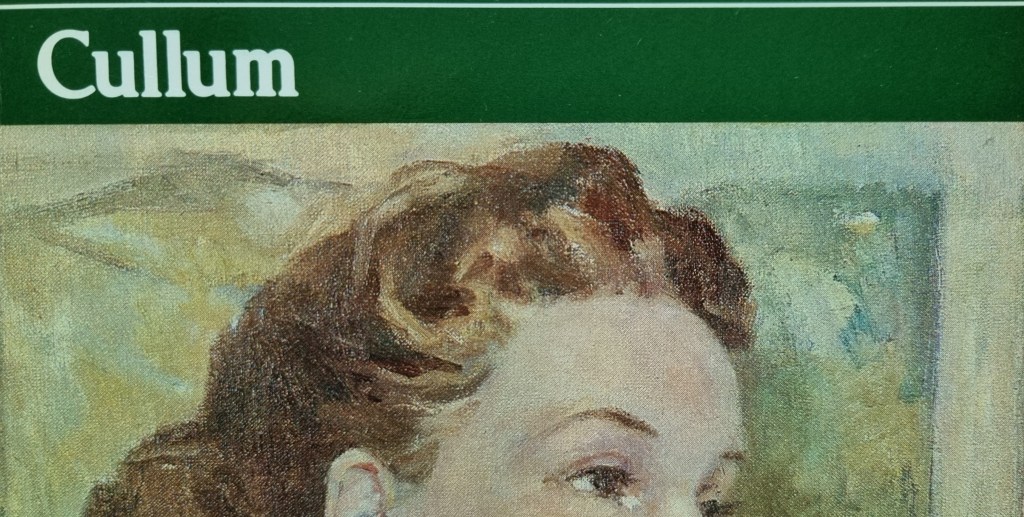
E. Arnot Robertson was the pseudonym of Eileen Arbuthnot Robertson (1903-1961) and ‘Cullum’ was her first novel, published in 1928. As with many other debut novels, it draws heavily on the writer’s own life. Like her heroine, Esther Sieveking, Robertson spent her childhood at Holmwood in Surrey, moving to London in 1917. Two years later,…
-
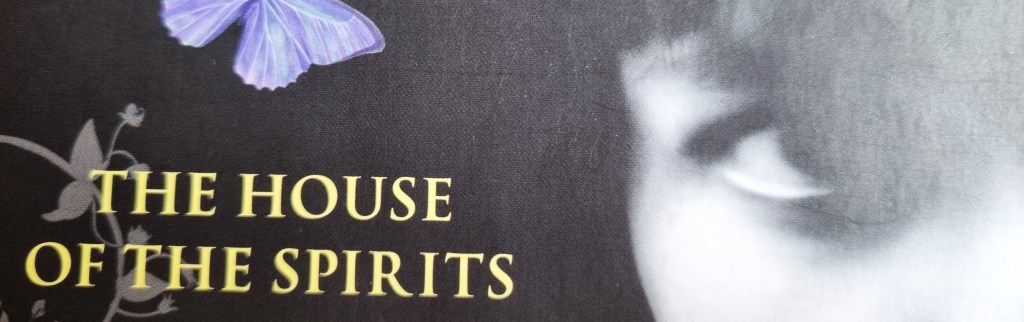
This is something of a departure for me, because this novel, which was written within the last half century, remains extremely popular, and its author is still alive. Isabel Allende (b.1942) published ‘The House of the Spirits’, her first novel, in 1982. The English translation from the original Spanish appeared three years later. It takes…
-
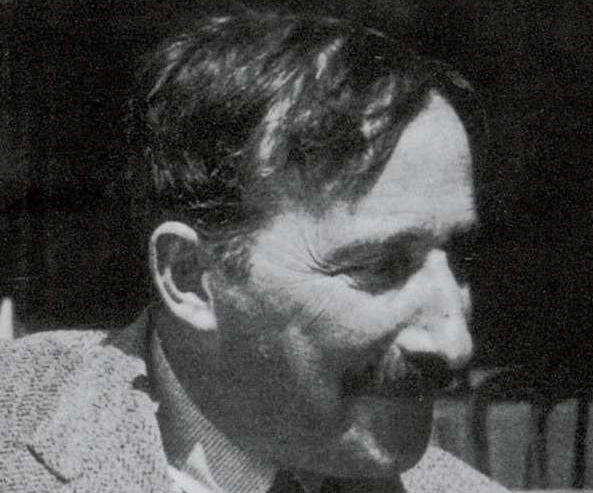
Stefan Zweig (1881-1942), seen here in 1936, was an Austrian Jew. He was a hugely popular writer in the 1920s and 1930s, but then went out of style. Now he is fashionable again. ‘Impatience of the Heart’ (‘Ungeduld des Herzens’ in the original German) was first published in 1939, the English translation called ‘Beware of…
-
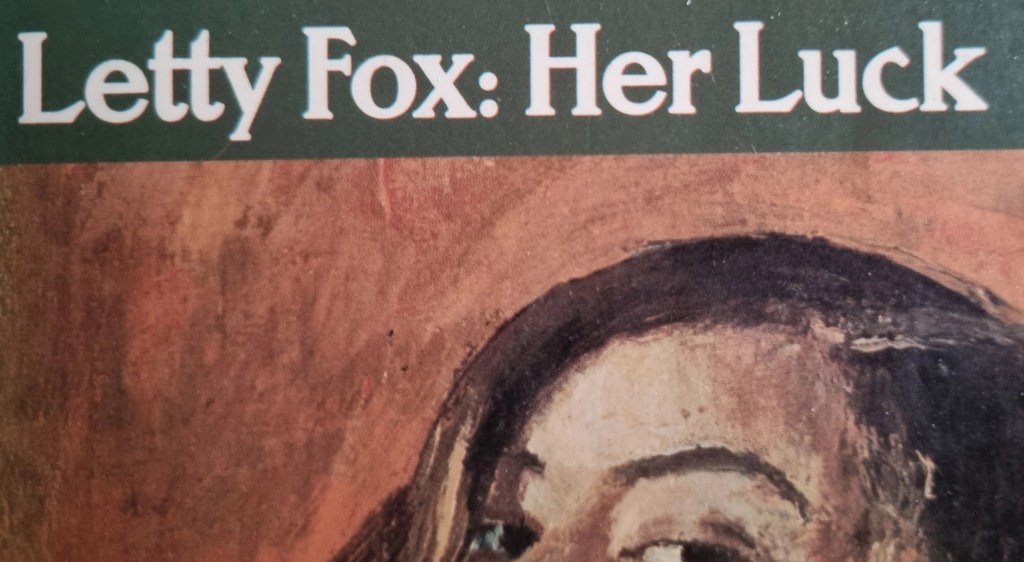
Christina Stead (1902-83) was a native Australian who lived much of her life elsewhere. She wrote this novel – often regarded as one of her best – in 1946, after spending several years in New York. It is a ‘bildungsroman’, narrated by the precocious Letty, describing her development into womanhood. Her parents are separated. She…
-
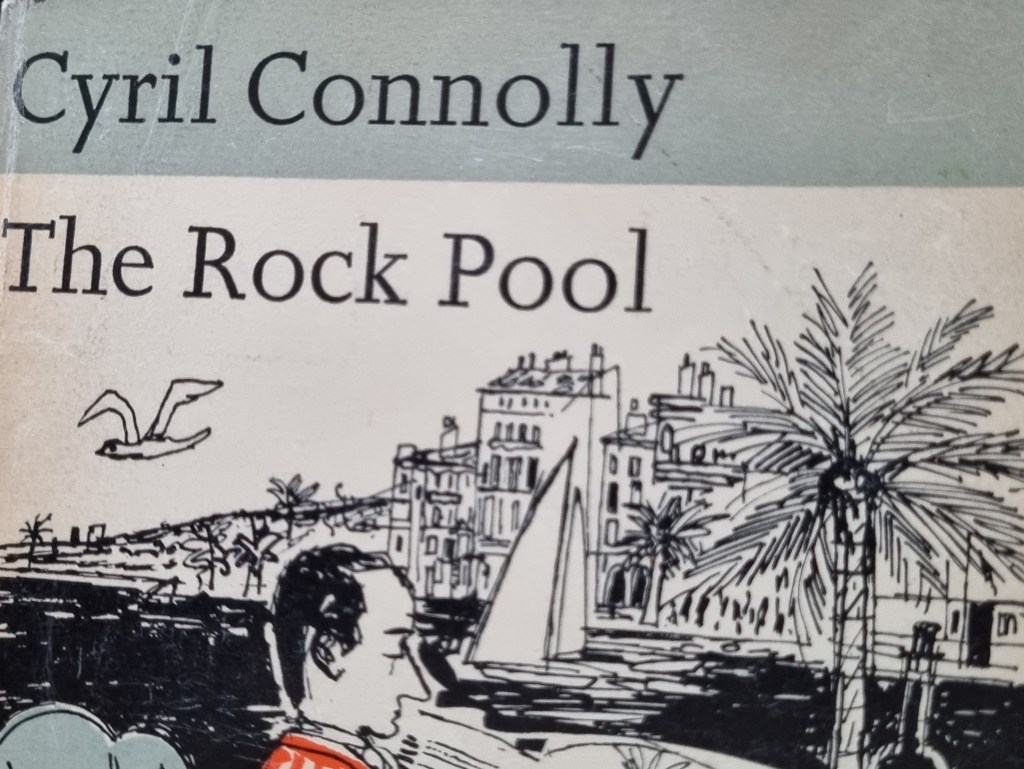
Cyril Connolly (1903-74) was primarily a literary critic, publishing this, his only novel, in 1936. It falls into the category of books about writing books, or researching them at least. Our anti-hero, Edgar Naylor, is partly an autobiographical study, and partly modelled on someone who later died in WW2 . He is employed as a…
-
Robert Cedric Sherriff, best known for the play ‘Journey’s End’, published this novel in 1931. It describes a fortnight’s family holiday in Bognor Regis, circa September 1930. Mr Stevens, a clerk, travels by train to the seaside, accompanied by his wife, teenage son and daughter and younger son. They stay with their usual landlady, Mrs…

-
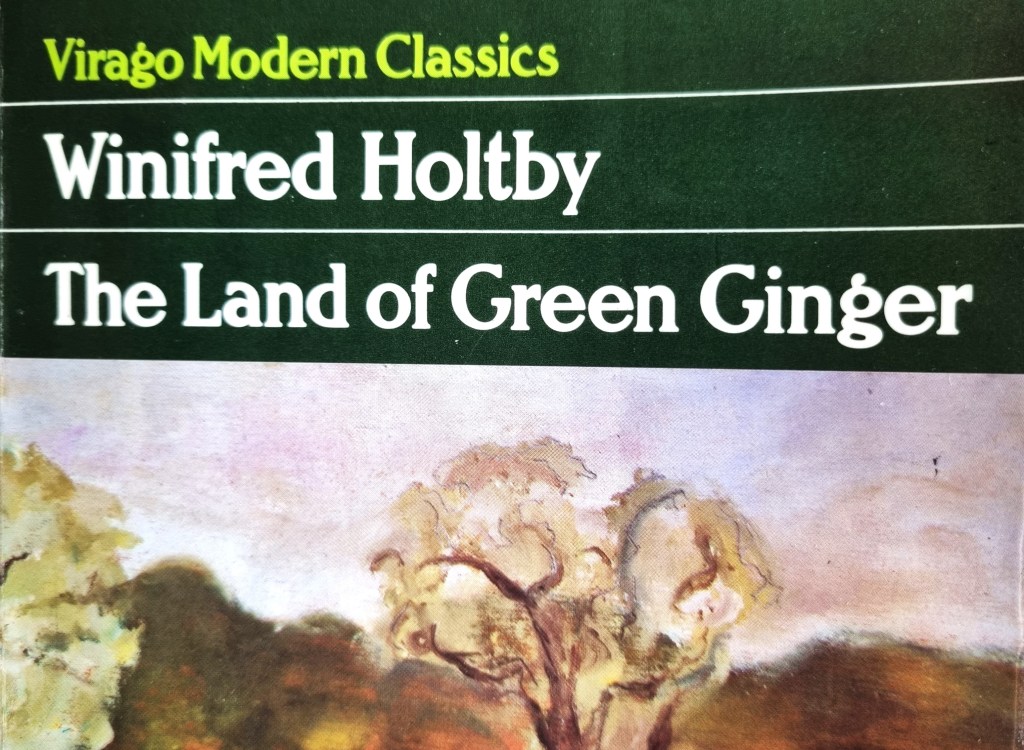
Winifred Holtby, best known for her posthumous novel ‘South Riding’, published ‘The Land of Green Ginger’ in 1927. The title is the name of a street which the heroine, Joanna, encounters as a child. In the novel, it is located in the town of Kingsport; in reality, it exists in Hull. Joanna, who was born…
-
‘Novel on Yellow Paper’ (1936) was the first of three written by Stevie Smith, now better remembered as a poet. The book is about writing a book – and is also the book that results. The author is nominally one Pompey Casmilus, a publisher’s private secretary, who records her thoughts on yellow paper, to distinguish…

-
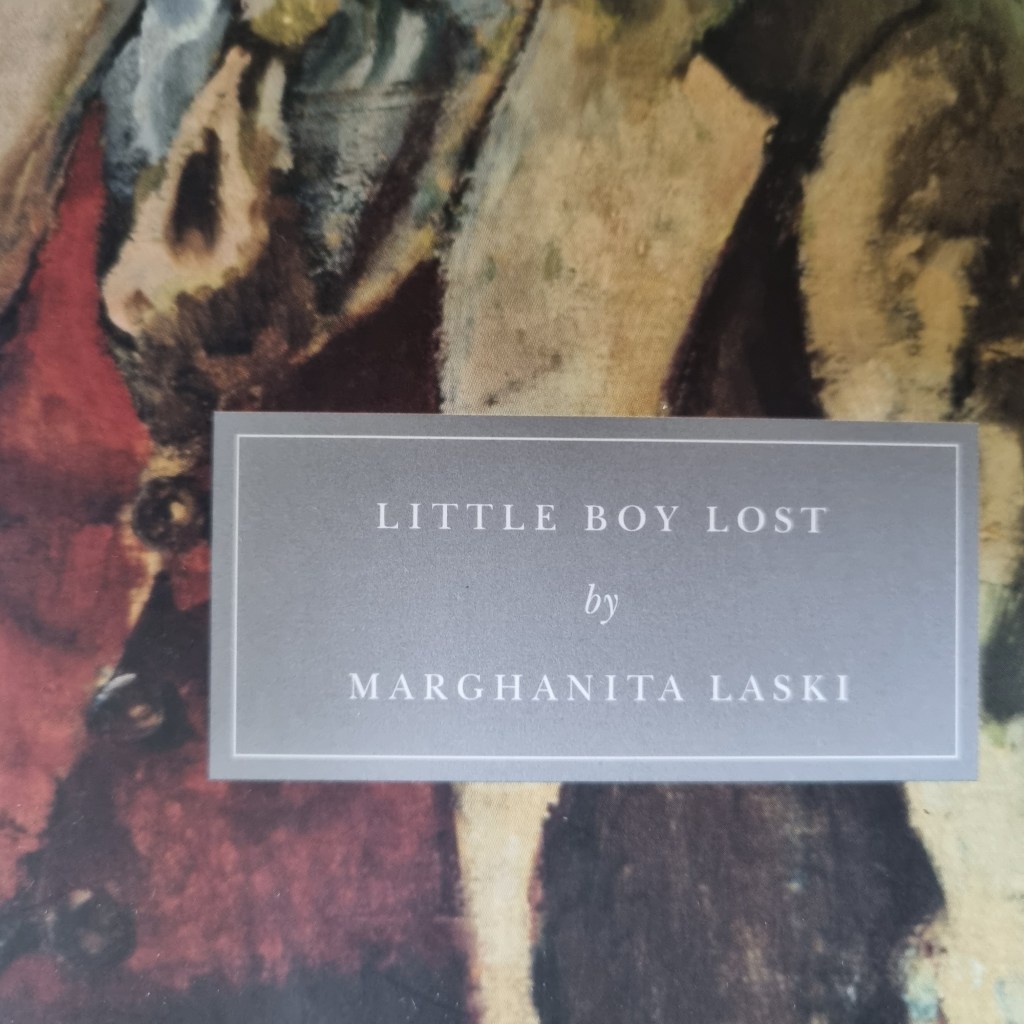
Marghanita Laski (1915-1988) published ‘Little Boy Lost’ in 1949. It concerns Hilary Wainwright, an English poet and intellectual, whose wife, Lisa, has been murdered by the Gestapo in Paris. Just before her capture, she managed to smuggle away their baby son. Now, after the War has ended, Hilary revisits France to find his son. He…
-
Clarice Lispector (1920-1977) was born in Ukraine to Jewish parents who emigrated to Brazil in 1922. She published her first novel in 1943, aged just 23. It is known in English as ‘Near to the Wild Heart’, from the book’s epigraph, which is from Joyce’s ‘A Portrait of the Artist as a Young Man’. I…

-
Céline was the nom de plume of Frenchman Louis Ferdinand Destouches (1894-1961). ‘Voyage au bout de la nuit’ was his first and most celebrated novel, published in 1932. I read the 1983 English translation by Ralph Manheim. Destouches was a medical doctor whose later anti-semitism and Nazi sympathies have undermined his literary reputation. Even so,…

-
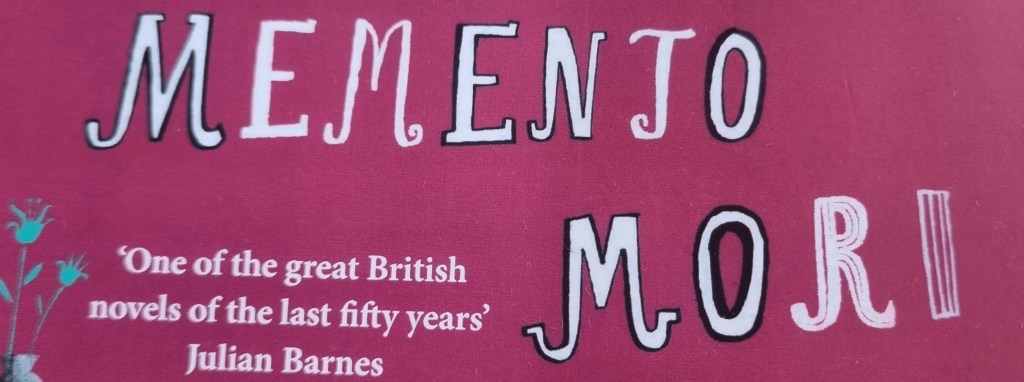
Muriel Spark published ‘Memento Mori’ in 1959, two years before ‘The Prime of Miss Jean Brodie’. The novel is about several old people whose earlier life paths have crossed in different ways. Now, as they approach their final years, they begin to receive anonymous telephone calls. The caller sounds different to each, but always relays…
-
Journey by Moonlight (1937) is the English translation of a novel by Hungarian author and academic Antal Szerb. Mihaly is honeymooning in Italy with Erzsi. He is still haunted by his youthful relationship with brother and sister Tamas and Eva, and their friends Janos and Ervin. They form a death cult, holding that the end…

-
‘Excellent Women’ (1952) is probably the best-known novel by Barbara Pym (1913-1980). It deals with the humdrum middle class existence of one Mildred Lathbury, part-time charity worker and pillar of the local church. She mostly interacts with the vicar and his sister, two new neighbours and a spare anthropologist. These characters revolve around each other…
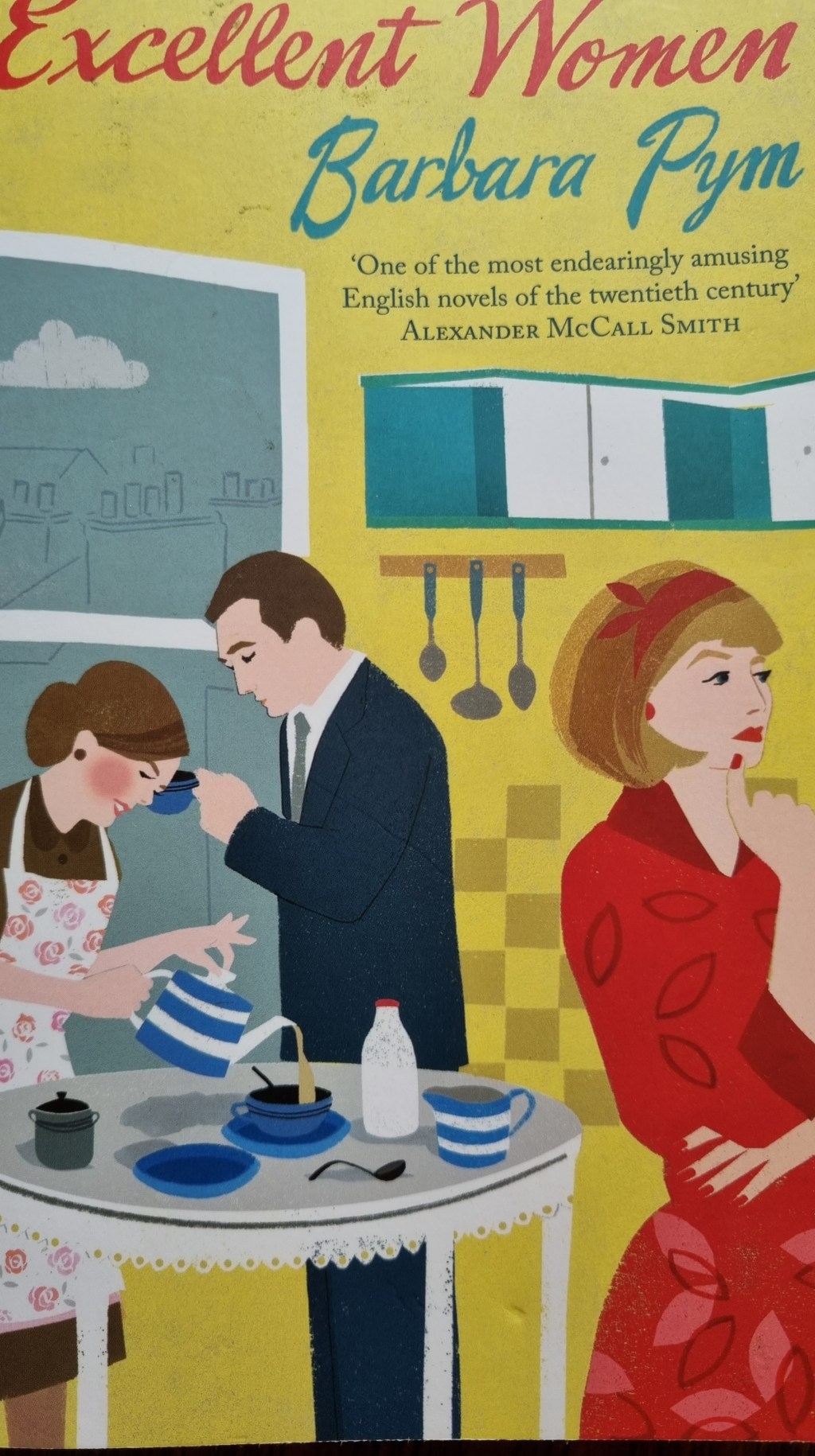
 Eponymous